

Main Points In Hindi (मुख्य बातें – हिंदी में)
-
जीन का पहचान और प्रभाव: ऊर्जा विभाग के वैज्ञानिकों ने चिनार के पेड़ में एक जीन की पहचान की है, जिसे ‘बूस्टर’ कहा गया है। यह जीन प्रकाश संश्लेषण को बढ़ाता है और चिनार की ऊँचाई को ग्रीनहाउस में 200% तक और खेतों में 30% तक बढ़ा सकता है।
-
काइमेरिक जीन की संरचना: ‘बूस्टर’ एक काइमेरिक जीन है, जो तीन विभिन्न जीनों के अनुक्रमों से बना है। यह जीन पौधों में प्रकाश संश्लेषण को सुधारने में मदद करता है, जिससे उनकी वृद्धि के लिए आवश्यक ऊर्जा में वृद्धि होती है।
-
क्रॉस-स्पिशीज प्रभाव: जब ‘बूस्टर’ जीन को अन्य पौधों में डाला गया, जैसे कि अरेबिडोप्सिस, तो उससे बायोमास में वृद्धि और बीज उत्पादन में 50% की वृद्धि हुई। यह जीन विभिन्न पौधों में उच्च पैदावार प्राप्त करने की संभावनाएँ प्रस्तुत करता है।
-
वायुमंडलीय CO2 अवशोषण में वृद्धि: अध्ययन के परिणामों में यह देखा गया कि ‘बूस्टर’ जीन के अधिक अभिव्यक्ति वाले चिनार के पेड़ 62% अधिक रुबिस्को प्रोटीन और 25% अधिक CO2 अवशोषण के साथ उगाए गए, जो पौधों के विकास को और अधिक प्रभावी बनाता है।
- अर्थव्यवस्था और खाद्य सुरक्षा: इस जीन का उपयोग करके ऊर्जा और खाद्य फसलों की पैदावार को बिना अधिक भूमि, पानी, या उर्वरक की आवश्यकता के बढ़ाने की संभावना है, जो विश्व में खाद्य संकट को कम करने में मदद कर सकती है और जैव-अर्थव्यवस्था को समर्थन दे सकती है।
Main Points In English(मुख्य बातें – अंग्रेज़ी में)
Here are the main points from the article discussing the discovery of the "booster" gene in poplar trees that enhances photosynthesis:
-
Identification of the Booster Gene: Scientists from the U.S. Department of Energy’s (DOE) BioEnergy Research Centers identified a gene called "booster" in poplar trees that significantly enhances photosynthesis, potentially increasing the height of trees in fields by about 30% and by up to 200% in greenhouses.
-
Impact on Biomass and Crop Yields: The booster gene improved biomass not only in poplars but also in other plant species, such as Arabidopsis, suggesting its potential to increase yields in various crops, which could address global food shortages.
-
Genetic Composition and Mechanism: The booster gene is a chimeric gene formed from sequences of three different genes, which play roles in enhancing photosynthesis by increasing the quantity of ribulose-1,5-bisphosphate carboxylase/oxygenase (RuBisCO), a key enzyme in the photosynthetic process.
-
Research Collaboration and Future Studies: The discovery resulted from collaboration between Oak Ridge National Laboratory and the University of Illinois. Future research plans include multi-site field tests to analyze long-term plant productivity and the broader applicability of the booster gene in other bioenergy and food crops.
- Potential for Sustainable Agriculture: The booster gene has the potential to enhance biomass without requiring additional land, water, or fertilizers, supporting a strong bio-economy. It could lead to the cultivation of high-yield, perennial bioenergy crops on marginal land, thereby contributing to sustainable energy solutions and rural job creation.

Complete News In Hindi(पूरी खबर – हिंदी में)
ऊर्जा विभाग के दो वैज्ञानिकों की एक टीम जैव ऊर्जा अनुसंधान केंद्र – ओक रिज नेशनल लेबोरेटरी में सेंटर फॉर बायोएनर्जी इनोवेशन, या सीबीआई, और इलिनोइस अर्बाना-शैंपेन विश्वविद्यालय में सेंटर फॉर एडवांस्ड बायोएनर्जी एंड बायोप्रोडक्ट्स इनोवेशन, या सीएबीबीआई – ने चिनार के पेड़ में एक जीन की पहचान की जो प्रकाश संश्लेषण को बढ़ाता है और कर सकता है खेत में पेड़ की ऊँचाई लगभग 30% और ग्रीनहाउस में 200% तक बढ़ाएँ।
वह जीन, जिसे वैज्ञानिकों ने नाम दिया है बूस्टरअन्य पौधों की प्रजातियों के बायोमास में भी वृद्धि हुई, अरेबिडोप्सिसया थेल क्रेस, बड़े पैमाने पर सफल होने पर अन्य फसलों से अधिक पैदावार की संभावना का संकेत देता है।
बूस्टर में पहचान की गई थी पोपुलस ट्राइकोकार्पाया ब्लैक कॉटनवुड पेड़, एक प्रजाति जो मेक्सिको में बाजा कैलिफ़ोर्निया से उत्तरी कनाडा में पनपती है। इस पेड़ को बनाने के लिए फीडस्टॉक के रूप में अग्रणी उम्मीदवार के रूप में पहचाना जाता है जैव ईंधन और जैव उत्पाद।
बूस्टर एक काइमेरिक जीन है जिसमें तीन मूल रूप से अलग किए गए जीनों के अनुक्रम शामिल हैं, और विकासवादी समय में न्यूनतम परिवर्तनों के साथ चिनार में संरक्षित किया गया है। जीन प्रकाश संश्लेषण में एक महत्वपूर्ण भूमिका निभाता है, यह प्रक्रिया पौधे सूरज की रोशनी, कार्बन डाइऑक्साइड और पानी को ग्लूकोज में परिवर्तित करने के लिए उपयोग करते हैं – सेलूलोज़, स्टार्च और भोजन और ईंधन उत्पादन से संबंधित अन्य मैक्रोमोलेक्यूल्स के लिए बिल्डिंग ब्लॉक।
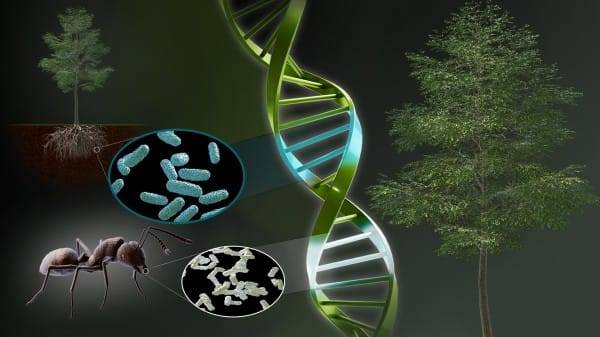
काइमेरिक जीन की उत्पत्ति अद्वितीय है और माना जाता है कि यह विकासवादी परिवर्तनों को सक्षम बनाता है जो पौधों को नए वातावरण के अनुकूल होने में मदद करता है। के मामले में बूस्टरओआरएनएल टीम ने निर्धारित किया कि इसमें तीन अलग-अलग डीएनए मूल शामिल हैं। एक खंड चिनार के पेड़ की जड़ प्रणाली में पाए जाने वाले बैक्टीरिया से है; एक खंड एक चींटी का है जो चिनार को संक्रमित करने के लिए जाने जाने वाले कवक की खेती करती है; और एक खंड रुबिस्को की बड़ी उप-इकाई से है, जो पौधों के क्लोरोप्लास्ट में प्रचुर मात्रा में पाया जाने वाला प्रोटीन है।
क्लोरोप्लास्ट प्रमुख कोशिका संरचनाएं हैं जिनमें प्रकाश संश्लेषक उपकरण होते हैं जो प्रकाश ऊर्जा को रासायनिक ऊर्जा में परिवर्तित करते हैं जो पौधों के विकास को बढ़ावा देते हैं। रुबिस्को प्रोटीन पौधे के “कार्बन-ग्राबर” के रूप में कार्य करता है, जो वातावरण से कार्बन डाइऑक्साइड को ग्रहण करता है। वैज्ञानिक वर्षों से अधिक फसल उपज और वायुमंडलीय CO2 के अवशोषण के लिए पौधों में रूबिस्को की मात्रा बढ़ाने के तरीकों पर काम कर रहे हैं।
जब शोधकर्ताओं ने अधिक अभिव्यक्ति वाले चिनार के पेड़ बनाए बूस्टर जीन, उनकी रुबिस्को सामग्री और उसके बाद प्रकाश संश्लेषक गतिविधि बढ़ गई, जिसके परिणामस्वरूप पौधे ग्रीनहाउस स्थितियों में उगाए जाने पर 200% तक लंबे हो गए, जैसा कि पत्रिका में वर्णित है विकासात्मक कोशिका. पेड़ों में रूबिस्को की मात्रा 62% तक अधिक और शुद्ध पत्ती CO2 अवशोषण में लगभग 25% की वृद्धि देखी गई। क्षेत्र की स्थितियों में, वैज्ञानिकों ने इसकी उच्च अभिव्यक्ति पाई बूस्टर परिणामस्वरूप चिनार के पेड़ 37% तक ऊंचे हो गए, तने की मात्रा 88% अधिक हो गई, जिससे प्रति पौधे बायोमास में वृद्धि हुई।
वैज्ञानिकों ने डाला बूस्टर एक अलग पौधे में, अरेबिडोप्सिस, जिसके परिणामस्वरूप बायोमास में समान वृद्धि हुई और बीज उत्पादन में 50% की वृद्धि हुई। यह खोज इसकी व्यापक प्रयोज्यता को इंगित करती है बूस्टर संभावित रूप से अन्य पौधों में उच्च पैदावार को ट्रिगर करने के लिए।
एक ही वृद्धि से अनेक लाभ
चिनार और अरेबिडोप्सिस C3 पौधों के रूप में जाने जाते हैं, एक श्रेणी जिसमें सोयाबीन, चावल, गेहूं और जई जैसी प्रमुख खाद्य फसलें शामिल हैं। बूस्टर जीन में अधिक भूमि, पानी या उर्वरक की आवश्यकता के बिना जैव-ऊर्जा फसल की पैदावार बढ़ाने की क्षमता है, जो एक मजबूत जैव-अर्थव्यवस्था का समर्थन करता है। अगर बूस्टर खाद्य फसलों में समान रूप से काम करने पर, अधिक पैदावार दुनिया भर में भोजन की कमी को कम कर सकती है।
“पारंपरिक कृषि के लिए अनुपयुक्त सीमांत भूमि पर अधिक उपज देने वाली, बारहमासी जैव ऊर्जा फसलें उगाने से हमें तरल पदार्थ की बढ़ती मांग को पूरा करने में मदद मिल सकती है।” जैव ईंधन विमानन जैसे कठिन-से-विद्युतीकरण क्षेत्रों के लिए, ”सीबीआई निदेशक और ओआरएनएल में एक कॉर्पोरेट फेलो जेरी टस्कन ने कहा, जिन्होंने पेपर का सह-लेखन किया। “तेजी से बढ़ने वाले, लचीले फीडस्टॉक संयंत्र जैव-अर्थव्यवस्था को प्रोत्साहित कर सकते हैं, ग्रामीण रोजगार पैदा कर सकते हैं और ऊर्जा की अनुमानित मांग का समर्थन कर सकते हैं।”
“यह खोज प्रकाश संश्लेषण और पौधों की उत्पादकता की एक बड़ी उत्तेजना के संदर्भ में एक गेम-चेंजर हो सकती है,” स्टीफन लॉन्ग ने कहा, पौधे प्रकाश संश्लेषण पर एक अग्रणी विशेषज्ञ और इलिनोइस विश्वविद्यालय अर्बाना-शैंपेन में प्रोफेसर, जो उनके सह-लेखक भी हैं इलिनोइस के नेतृत्व वाली CABBI के साथ भूमिका। “हालांकि हमें यह सुनिश्चित करने के लिए अधिक व्यापक रूप से परीक्षण करने की आवश्यकता है कि हम बड़े पैमाने पर परिणामों को पुन: पेश कर सकते हैं, यह तथ्य कि यह पूरी तरह से असंबंधित संयंत्र में काम करता है, यह दर्शाता है कि यह पौधों की एक विस्तृत श्रृंखला पर काम कर सकता है।”
लॉन्ग ने कहा कि अनुसंधान के अगले चरण में चिनार और अन्य बायोएनर्जी और खाद्य पौधों के बहुस्थानीय क्षेत्र परीक्षण शामिल हो सकते हैं, जिसमें शोधकर्ता दीर्घकालिक सफलता का विश्लेषण करने के लिए अलग-अलग बढ़ती परिस्थितियों में पौधों की उत्पादकता रिकॉर्ड कर सकते हैं।
यह खोज दो डीओई केंद्रों के बीच सहयोग का परिणाम थी जहां वैज्ञानिक पौधों को उन्नत ईंधन और उत्पादों में संसाधित करने के कुशल तरीकों के साथ-साथ बेहतर बायोएनर्जी फीडस्टॉक संयंत्र विकसित करने पर ध्यान केंद्रित करते हैं।
सहयोग बड़े आनुवंशिक डेटाबेस, प्रकाश संश्लेषण विशेषज्ञता को जोड़ता है
पर ओआरएनएल के नेतृत्व वाली सी.बी.आईवैज्ञानिकों ने फीडस्टॉक उत्पादन के लिए तेजी से बढ़ने वाली, गैर-खाद्य बारहमासी फसल के रूप में चिनार का वर्षों से अध्ययन किया है। वे जैव ईंधन-मटेरियल-मेटाबोलाइट्स”>के पहले जीनोम-वाइड एसोसिएशन अध्ययन, या जीडब्ल्यूएएस को इकट्ठा किया पोपुलस ट्राइकोकार्पा जंगल में 1,500 पेड़ों से नमूना लेकर और उनकी भौतिक विशेषताओं और आनुवंशिक संरचना का विश्लेषण करके। जीडब्ल्यूएएस, अपनी तरह के पहले और सबसे बड़े में से एक, ने 28 मिलियन से अधिक एकल न्यूक्लियोटाइड बहुरूपताओं की पहचान की जो जैविक मार्कर के रूप में कार्य करते हैं, जिससे वैज्ञानिकों को पौधों के विकास जैसे कुछ लक्षणों से जुड़े जीन का पता लगाने में मदद मिलती है; कार्बन, नाइट्रोजन और लिग्निन सामग्री; और पौधे कितनी कुशलता से पानी का उपयोग करते हैं।
सीबीआई के वैज्ञानिक और CABBI जीडब्ल्यूएएस आबादी का उपयोग दो उम्मीदवार जीनों की तलाश के लिए किया गया था जो प्रकाश संश्लेषक शमन से जुड़े थे, एक ऐसी प्रक्रिया जो नियंत्रित करती है कि पौधे सूरज और छाया के बीच कितनी जल्दी समायोजित होते हैं और क्षति से बचने के लिए बहुत अधिक सूरज से अतिरिक्त ऊर्जा को नष्ट कर देते हैं। CABBI के वैज्ञानिकों ने डेविस, कैलिफोर्निया में परीक्षण उद्यानों में चिनार की तीव्र फेनोटाइपिंग करने के लिए विकसित की गई स्क्रीनिंग तकनीकों का लाभ उठाया। प्रारंभिक जांच में वे जीन तुरंत सामने नहीं आए जिनकी वे तलाश कर रहे थे। लेकिन एक उम्मीदवार जीन का आगे आणविक विश्लेषण निकला बूस्टरजो उन दो जीनों को प्रभावित करता है जिन्हें CABBI ने बेहतर प्रकाश संश्लेषण के लिए महत्वपूर्ण माना था।
अनुसंधान को सीबीआई और सीएबीबीआई द्वारा समर्थित किया गया था, दोनों डीओई कार्यालय ऑफ साइंस बायोलॉजिकल एंड एनवायर्नमेंटल रिसर्च प्रोग्राम द्वारा प्रायोजित थे। इस परियोजना में ओआरएनएल की उच्च-थ्रूपुट, विश्व-अग्रणी इमेजिंग क्षमताओं का उपयोग किया गया उन्नत प्लांट फेनोटाइपिंग प्रयोगशालाजिसने पॉपलर में पत्ती के आकार में परिवर्तन को व्यक्त करते हुए तेजी से, स्वचालित माप को सक्षम किया बूस्टर ग्रीनहाउस वातावरण में जीन। संपूर्ण-जीनोम अनुक्रमण और अन्य आरएनए विश्लेषण संयुक्त जीनोम संस्थान, या जेजीआई, लॉरेंस बर्कले नेशनल लेबोरेटरी में डीओई विज्ञान उपयोगकर्ता सुविधा कार्यालय द्वारा आयोजित किए गए थे। इस परियोजना में ओक रिज लीडरशिप कंप्यूटिंग सुविधा, ओआरएनएल में डीओई विज्ञान उपयोगकर्ता सुविधा कार्यालय के उच्च-प्रदर्शन कंप्यूटिंग संसाधनों का उपयोग किया गया।
वैज्ञानिक सोच का एक नया रास्ता खोलना
“संरक्षित काइमेरिक जीन जैसे बूस्टर इन्हें अक्सर गैर-कार्यात्मक, विकासवादी कलाकृतियों के रूप में नजरअंदाज कर दिया जाता है जो अब पौधों की प्रक्रियाओं को प्रभावित नहीं करती हैं, ”ओआरएनएल के बिरुक फेइसा ने कहा, जिन्होंने जीन के आणविक विश्लेषण का नेतृत्व किया और पेपर पर पहले लेखक हैं। “लेकिन यहां हम बिल्कुल विपरीत साबित हुए। हमारे आणविक और शारीरिक सत्यापन ने इसकी पुष्टि की है बूस्टर प्रकाश संश्लेषण को बढ़ाता है ताकि पौधे स्थिर और उतार-चढ़ाव वाली रोशनी की स्थिति में बेहतर प्रदर्शन करें।
टस्कन ने कहा, “यह खोज वैज्ञानिक सोच का एक नया रास्ता खोलती है।” “हम प्रकाश संश्लेषण को एक कठिन-से-सुधार प्रक्रिया के रूप में सोचते हैं। लेकिन वास्तव में, जैसे-जैसे पौधे अपने पर्यावरण के अनुकूल होते गए, प्रकाश-संश्लेषण के आसपास की आणविक मशीनरी का विकास जारी रहा। इस मामले में, संबंधित जीवों के साथ डीएनए के आदान-प्रदान ने एक जैविक प्रक्रिया को मौलिक रूप से बदल दिया।
परियोजना के अन्य वैज्ञानिकों में सीएबीबीआई के सह-प्रमुख स्टीवन बर्गेस और इलिनोइस में जीनोमिक बायोलॉजी के लिए कार्ल आर. वोइस इंस्टीट्यूट शामिल हैं; सह-प्रमुख जे चेन, ओआरएनएल प्लांट सिस्टम बायोलॉजी समूह के नेता; जिन झांग, टिमोथी येट्स, कुंतल डे, सारा जॉडी, डाना कार्पर, डेविड वेस्टन, पॉल अब्राहम और सीबीआई/ओआरएनएल के जेनिफर मॉरेल-फाल्वे; CABBI/इलिनोइस के एल्सा डी बेकर और कोरली सेल्से-स्मिथ; सीबीआई/जॉर्जिया विश्वविद्यालय के मार्गोट एसएस चेन और चुंग-जुई त्साई; सीबीआई/कैलिफोर्निया विश्वविद्यालय, डेविस के गेल टेलर; ब्रुकहेवन नेशनल लेबोरेटरी के मेंग झी; मिसौरी विश्वविद्यालय के धनंजय गोटरकर; जेजीआई/लॉरेंस बर्कले राष्ट्रीय प्रयोगशाला के केरी बैरी; और जेजीआई और हडसनअल्फा के जेरेमी श्मुट्ज़। यह पेपर परियोजना के सह-प्रमुख और पूर्व ओआरएनएल संयंत्र वैज्ञानिक और आनुवंशिकीविद् वेलिंगटन मुचेरो की स्मृति को समर्पित है।
यूटी-बैटल डीओई के विज्ञान कार्यालय के लिए ओआरएनएल का प्रबंधन करता है, जो संयुक्त राज्य अमेरिका में भौतिक विज्ञान में बुनियादी अनुसंधान का सबसे बड़ा समर्थक है। विज्ञान कार्यालय हमारे समय की कुछ सबसे गंभीर चुनौतियों का समाधान करने के लिए काम कर रहा है। और अधिक जानकारी के लिए कृपया विजिट करें ऊर्जा.जीओवी/विज्ञान.
Complete News In English(पूरी खबर – अंग्रेज़ी में)
A team of scientists from the Department of Energy has identified a gene in the poplar tree that enhances photosynthesis. This discovery, made at the Center for Bioenergy Innovation at Oak Ridge National Laboratory and the Center for Advanced Bioenergy and Bioproducts Innovation at the University of Illinois Urbana-Champaign, has the potential to increase tree height in the fields by about 30% and in greenhouses by up to 200%.
The gene, named Booster, also increased biomass in other plant species, including Arabidopsis or thale cress, indicating the possibility of higher yields in various crops.
Booster was found in Populus trichocarpa, or black cottonwood, a species thriving from Baja California in Mexico to Northern Canada. This tree has been identified as a key candidate for feedstock to produce biofuels and bioproducts.
The Booster gene is a chimeric gene, consisting of sequences from three different genes, which have been preserved in poplar with minimal evolutionary changes. This gene plays a crucial role in photosynthesis, the process by which plants convert sunlight, carbon dioxide, and water into glucose, the building blocks for cellulose, starch, and other food and fuel-related macromolecules.
The unique origin of the chimeric gene seems to enable evolutionary changes that help plants adapt to new environments. The ORNL team determined that Booster contains DNA sequences from three different origins: one segment from bacteria found in the root systems of poplar trees, another from an ant that harvests a fungus that infects poplars, and a third segment from a large subunit of RuBisCO, a protein abundant in plant chloroplasts.
Chloroplasts are key cellular structures that contain the machinery for photosynthesis, converting light energy into chemical energy to promote plant growth. The RuBisCO protein acts as the plant’s “carbon grabber,” trapping carbon dioxide from the atmosphere. Scientists have been working for years on ways to increase the amount of RuBisCO in plants to improve crop yields and atmospheric CO2 absorption.
When the researchers created poplar trees with increased expression of the Booster gene, they found that the RuBisCO content increased, leading to enhanced photosynthetic activity. In greenhouse conditions, the trees grew up to 200% taller, as detailed in the journal Developmental Cell. The amount of RuBisCO in the trees increased by 62%, with a nearly 25% rise in net leaf CO2 absorption. In field conditions, higher expression of Booster resulted in an increase in tree height by up to 37%, and an 88% increase in stem volume, contributing to greater biomass per plant.
The scientists also introduced the Booster gene into another plant, Arabidopsis, resulting in similar biomass increases and a 50% increase in seed production. This finding suggests that Booster could potentially trigger higher yields in other plants as well.
One gene, multiple benefits
Poplars and Arabidopsis are known as C3 plants, a category that includes major food crops like soybean, rice, wheat, and oats. The Booster gene can enhance the yield of bioenergy crops without requiring more land, water, or fertilizer, supporting a strong bio-economy. If it works similarly in food crops, higher yields could help alleviate food shortages worldwide.
“Growing high-yielding, perennial bioenergy crops on marginal land unsuitable for traditional agriculture could help meet the growing demand for liquid fuels,” said Jerry Tuskan, director of CBI and a corporate fellow at ORNL, who co-authored the paper. “Fast-growing, resilient feedstock plants could bolster the bio-economy, create rural jobs, and support projected energy demands.”
“This discovery could be a game-changer in terms of boosting photosynthesis and plant productivity,” said Stephen Long, a leading expert in plant photosynthesis at the University of Illinois Urbana-Champaign, also a co-author of the study. “While we need to conduct broader tests to ensure we can replicate the results on a large scale, the fact that it works in a completely unrelated plant suggests that it may work across a wide range of plants.”
Long mentioned that the next phase of research could involve multi-site field trials with poplars and other bioenergy and food plants to record plant productivity across different growing conditions and analyze long-term success.
This groundbreaking research was a collaborative effort between two DOE centers, where scientists focus on developing efficient methods for processing plants into advanced fuels and products, as well as improving bioenergy feedstock plants.
Collaborative efforts tap into large genetic databases and photosynthesis expertise
At CBI led by ORNL, scientists have been studying poplar as a fast-growing, non-food perennial crop for feedstock production for years. They conducted the first genome-wide association study (GWAS) on Populus trichocarpa by sampling 1,500 trees in the wild and analyzing their physical traits and genetic makeup. This GWAS, one of the first and largest of its kind, identified over 28 million single nucleotide polymorphisms that serve as biological markers, helping scientists pinpoint genes associated with traits like plant growth, carbon, nitrogen, and lignin content, and how efficiently plants use water.
CBI scientists and CABBI utilized the GWAS population to search for two candidate genes related to photosynthetic acclimation, a process that governs how plants rapidly adjust between sunlight and shade and dissipate excess energy to avoid damage from too much sun. CABBI scientists employed screening techniques developed for rapid phenotyping of poplars in test gardens in Davis, California. Initial investigations did not immediately reveal the genes they were seeking, but further molecular analysis pinpointed the candidate gene Booster, which affects two genes identified by CABBI as crucial for better photosynthesis.
This research was supported by CBI and CABBI, both funded by the DOE Office of Science Biological and Environmental Research program. The project leveraged ORNL’s high-throughput, world-leading imaging capabilities from the Advanced Plant Phenotyping Laboratory, enabling rapid, automated measurements of leaf size changes expressing the Booster gene in greenhouse environments. Whole-genome sequencing and other RNA analyses were conducted by the Joint Genome Institute or Lawrence Berkeley National Laboratory, with high-performance computing resources from the DOE environmental user facility at ORNL.
Opening a new avenue in scientific thinking
“Chimeric genes like Booster have often been dismissed as non-functional evolutionary relics that no longer affect plant processes,” said Biruk Feisa of ORNL, who led the molecular analysis of the gene and is the first author of the paper. “But we have shown exactly the opposite. Our molecular and physical validation confirms that Booster enhances photosynthesis, enabling plants to perform better in both stable and fluctuating light conditions.”
Tuskan noted, “This discovery opens a new pathway in scientific thinking.” “We think of photosynthesis as a difficult process to improve. However, as plants adapted to their environments, the molecular machinery around photosynthesis continued to evolve. In this case, DNA exchanges with related organisms fundamentally altered a biological process.”
Other scientists involved in the project include Steven Burgess and the Carl R. Woese Institute for Genomic Biology in Illinois; co-lead Jay Chen, leader of the ORNL Plant Systems Biology group; Jin Zhang, Timothy Yates, Kuntal Dey, Sarah Jody, Dana Carper, David Weston, Paul Abraham, and Jennifer Morrell-Falvey from CBI/ORNL; Elsa de Baker and Corley Salse-Smith from CABBI/Illinois; Margot S.S. Chen and Chung-Jui Tsai from CBI/University of Georgia; Gail Taylor from CBI/University of California, Davis; Meng Zhi from Brookhaven National Laboratory; Dhananjay Gotarkar from the University of Missouri; Keri Barry from JGI/Lawrence Berkeley National Laboratory; and Jeremy Schmutz from JGI and HudsonAlpha. This paper is dedicated to the memory of project co-leader and former ORNL plant scientist and geneticist Wellington Muchero.
UT-Battelle manages ORNL for the DOE Office of Science, the largest supporter of basic research in physical sciences in the United States. The Office of Science is working to address some of the most pressing challenges of our time. For more information, please visit energy.gov/science.