

Main Points In Hindi (मुख्य बातें – हिंदी में)
यहां दिए गए लेख के मुख्य बिंदु हैं:
-
बाजार में वृद्धि: जापान में पहले से पका हुआ चावल (पक्कू गोहन) का बाजार तेजी से बढ़ रहा है, जबकि कच्चे चावल की घरेलू मांग में कमी आई है। यह प्रवृत्ति सुविधाजनक खाने की खपत के कारण है, जहां ग्राहक कम समय में भोजन तैयार करने को प्राथमिकता दे रहे हैं।
-
उत्पादन में वृद्धि: पहले से पके हुए चावल का उत्पादन 2008 के लगभग 90,000 टन से बढ़कर 2023 में लगभग 200,000 टन हो गया है, जबकि घरेलू चावल की फसल में कमी आई है। यह विस्तार उन उपभोक्ताओं की बढती संख्या के कारण है जो तेजी से तैयार होने वाले भोजन की तलाश में हैं।
-
निर्यात की संभावनाएं: ओगाटा विलेज अकिताकोमाची राइस प्रोड्यूसर्स कंपनी पहले से पके हुए चावल का निर्यात बढ़ाने के लिए प्रयास कर रही है, विशेष रूप से ऐसे देशों में जहाँ पारंपरिक चावल पकाने की बाधाएं होती हैं। कंपनी की योजना अमेरिका में दूसरी फैक्ट्री स्थापित करने की है।
-
स्वाद और गुणवत्ता में सुधार: कंपनियाँ पहले से पैकेज्ड चावल की गुणवत्ता और स्वाद में सुधार कर रही हैं, ताकि यह ताज़ा चावल के समान स्वादिष्ट हो सके। विशेष तकनीकों का उपयोग करके, जैसे तापमान नियंत्रण और रसायनों के बिना उत्पादन, स्वाद में सुधार किया जा रहा है।
- किसान की भागीदारी: चावल उत्पादक, जो पहले से पके हुए चावल के मार्केटिंग में संलग्न हो रहे हैं, स्थानीय समुदाय की मदद करने के लिए सरकारी सब्सिडी और निवेश का लाभ उठा रहे हैं, जिससे वे उत्पादन में वृद्धि और बढ़ते बाजार का लाभ उठा सकें।
Main Points In English(मुख्य बातें – अंग्रेज़ी में)
Here are the main points summarizing the article on pre-cooked rice in Japan:

-
Demand Shift: The demand for domestic raw rice in Japan is declining, while the market for pre-cooked rice, known as "pakkū gohan," is growing significantly. Pre-cooked rice offers convenience, requiring only a few minutes of microwaving, which appeals to busy households.
-
Market Growth: Production of pre-cooked rice reached record heights by 2022, prompting some rice-producing regions to increase their crop output. The popularity of pre-cooked rice has led to a surge in sales, partly due to effective advertising.
-
Impact of Changing Diets: There has been a 25% decrease in domestic rice production over the years, largely attributed to the diversification of Japanese diets, with bread and pasta becoming more common. This trend is expected to continue as Japan’s population declines.
-
Export Opportunities: The Ogata Village Akita Komachi Rice Producers Company is exploring export potential for pre-cooked rice, as it is easier to sell internationally compared to traditional rice. Recent improvements in price competitiveness due to yen depreciation have further supported export growth.
- Quality Improvement: Companies are innovating to enhance the taste of pre-cooked rice, employing methods to ensure the flavor resembles that of freshly cooked rice. This includes eliminating preservatives and focusing on using quality water during cooking, making pre-cooked rice more appealing to consumers.
Complete News In Hindi(पूरी खबर – हिंदी में)
6:00 जेएसटी, 4 अक्टूबर 2024
पहले से पके चावल के पैकेट जापान में चावल किसानों के लिए मददगार हो सकते हैं क्योंकि कच्चे चावल की घरेलू मांग में गिरावट आई है, जबकि पहले से पके चावल का बाजार लगातार बढ़ रहा है।
जापानी में पक्कू गोहन के रूप में जाना जाता है, पहले से पका हुआ चावल बहुत सुविधाजनक होता है क्योंकि इसे केवल कुछ मिनटों के लिए माइक्रोवेव करने की आवश्यकता होती है, जिससे चावल कुकर अनावश्यक हो जाता है। उत्पादन 2022 तक लगातार 13 वर्षों तक रिकॉर्ड ऊंचाई पर पहुंच गया। इस प्रवृत्ति के कारण, कुछ चावल उत्पादक क्षेत्रों ने अधिक चावल उगाना शुरू कर दिया है।
“इससे कोई फर्क नहीं पड़ेगा अगर चावल कुकर अच्छी तरह से बिकना बंद कर दें,” अभिनेता रियो योशिजावा ने कंपनी के पहले से पकाए गए चावल की विशेषता वाले आइरिस ओह्यामा इंक के विज्ञापन में अफसोस जताया है।
राइस कुकर सेंदाई-आधारित कंपनी की मुख्य लाइन का हिस्सा हैं जो घरेलू सामान और घरेलू उपकरणों पर केंद्रित है। हालाँकि, कंपनी ने 2011 में ग्रेट ईस्ट जापान भूकंप के बाद स्थानीय कृषि को बढ़ावा देने में मदद करने के लिए 2015 में प्रीकुक्ड चावल व्यवसाय में प्रवेश किया, जिसने सेंदाई और अन्य क्षेत्रों को प्रभावित किया।
कंपनी के खाद्य व्यवसाय प्रभाग के एक प्रबंधक ने कहा, “हमारी बिक्री बाजार के औसत से अधिक तेजी से बढ़ रही है, इसके लिए आंशिक रूप से विज्ञापन को धन्यवाद।”
पहले से पका हुआ चावल पहली बार आधी सदी से भी कम समय पहले उत्पादित किया गया था। ऐसा माना जाता है कि इसकी उत्पत्ति 1980 के दशक के अंत में निगाटा प्रीफेक्चर के खाद्य अनुसंधान संस्थान में किए गए तकनीकी शोध के दौरान हुई थी। पहला व्यवसायिक उत्पाद 1988 में सातो फूड्स कंपनी द्वारा लॉन्च किया गया था, जो अपने सातो नो गोहन (सातो के चावल) पहले से पके हुए चावल के लिए जाना जाता था। 1995 के महान हंसिन भूकंप के बाद, पहले से पकाया हुआ चावल स्टॉक में रखने के लिए आपातकालीन भोजन के रूप में तेजी से लोकप्रिय हुआ।
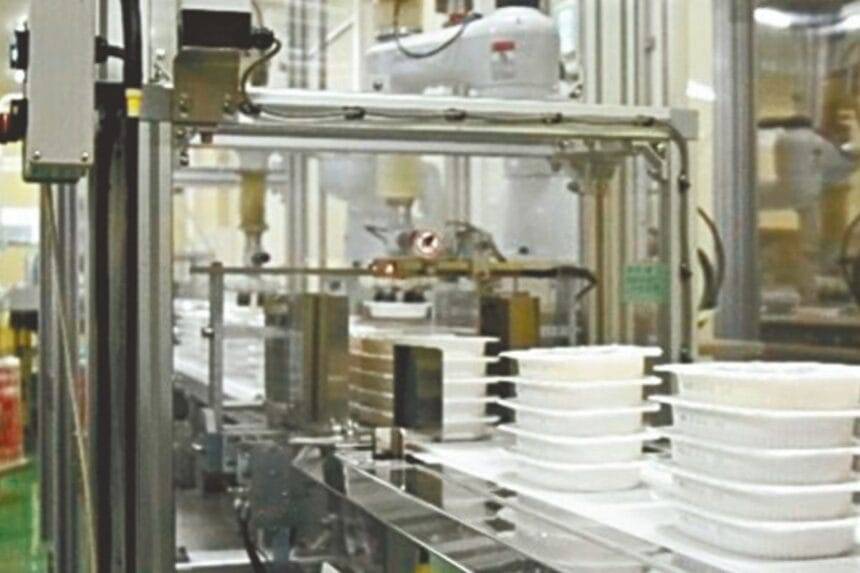
कृषि, वानिकी और मत्स्य पालन मंत्रालय के अनुसार, चावल के दानों को पकने से पहले कीटाणुरहित करने और फिर साफ कमरे में पैक करने की प्रक्रिया में पहले से पके हुए चावल का उत्पादन लगभग दोगुना हो गया है, जो 2008 में लगभग 90,000 टन से बढ़कर 2023 में लगभग 200,000 टन हो गया है।
इस अवधि के दौरान, घरेलू चावल की फसल में लगभग 25% की गिरावट आई, जो लगभग 8.65 मिलियन टन से घटकर लगभग 6.61 मिलियन टन रह गई। यह गिरावट मुख्य रूप से जापानी लोगों के आहार में विविधता के कारण हुई क्योंकि ब्रेड और पास्ता अधिक आम हो गए। जापान की घटती जनसंख्या के बीच घरेलू चावल की खपत में गिरावट जारी रहने की उम्मीद है।
तैयार करना आसान है
इन परिस्थितियों के बावजूद, पहले से पकाया हुआ चावल अच्छी तरह से बिक रहा है क्योंकि बढ़ती संख्या में लोग आसानी से तैयार होने वाले भोजन की तलाश में हैं, और दोहरी आय और एकल-व्यक्ति परिवारों के बढ़ने के साथ लोगों के पास खाना पकाने के लिए कम समय है।
किसान इस बढ़ते बाजार पर ध्यान देने लगे हैं।
टोरू वाकुई, ओगाटा, अकिता प्रान्त में ओगाटा विलेज अकिताकोमाची राइस प्रोड्यूसर्स कंपनी के अध्यक्ष हैं, जो चावल उत्पादन, प्रसंस्करण और बिक्री का काम संभालती है। वाकुई और अन्य लोगों ने 2020 में गांव में जापान पैक राइस अकिता की स्थापना की।
कंपनी केंद्र सरकार की सब्सिडी और स्थानीय बैंक निवेश सहित अन्य सहायता से प्रति वर्ष लगभग 36 मिलियन पूर्व-पके हुए चावल का उत्पादन करती है।
इस गांव की स्थापना 1964 में हचिरोगाटा लैगून के एक बड़े हिस्से को पुनः प्राप्त करके की गई थी, जो उस समय जापान का दूसरा सबसे बड़ा लैगून था। इसका उद्देश्य द्वितीय विश्व युद्ध के बाद भोजन की कमी को कम करना था। हालाँकि, स्थानीय समुदाय चावल की मांग में हालिया गिरावट से जूझ रहा है।
निर्यात की संभावना
ओगाटा विलेज अकिताकोमाची राइस प्रोड्यूसर्स कंपनी अब पहले से पके हुए चावल को बढ़ावा देकर मंदी से उबरने की कोशिश कर रही है।
वाकुई ने कहा, “स्थानीय किसान अंततः ऊर्जावान रूप से चावल का उत्पादन करने में सक्षम होंगे।”
विदेशी विस्तार की संभावना भी परियोजना को प्रोत्साहित करती है।
चावल को पारंपरिक रूप से निर्यात के लिए अनुपयुक्त माना जाता है, और किसान काफी हद तक घरेलू खपत पर निर्भर रहे हैं। पहले से पका हुआ चावल विदेशों में बेचना आसान है, यहां तक कि उन लोगों को भी जिनके पास चावल पकाने के लिए कुकर नहीं हैं।
2023 में निर्यात मूल्य अभी भी 1 बिलियन येन पर मामूली था, लेकिन यह आंकड़ा पाँच साल पहले की तुलना में दोगुना है। येन के हालिया मूल्यह्रास ने दक्षिण कोरिया और थाईलैंड के प्रतिद्वंद्वी उत्पादों के मुकाबले उत्पाद की कीमत प्रतिस्पर्धात्मकता में सुधार करने में भी मदद की है, जो विदेशों में बेहतर प्रसिद्ध हैं।
अवसर का लाभ उठाने के लिए, जापान पैक राइस अकिता संयुक्त राज्य अमेरिका जैसे देशों में निर्यात को संभालने के लिए अपनी दूसरी फैक्ट्री का निर्माण कर रहा है। कंपनी की योजना अपनी उत्पादन क्षमता को प्रति वर्ष 100 मिलियन सर्विंग तक बढ़ाने की है और वह किसानों से चावल की आपूर्ति सुनिश्चित करने में सहयोग करने की भी मांग कर रही है।
आइरिस ओह्यामा और सातो फूड्स जैसे प्रमुख उत्पादकों ने भी इस वर्ष नई उत्पादन लाइनें शुरू कीं।
सवाल यह है कि क्या स्वादिष्ट जापानी चावल से बना पहले से पका हुआ चावल दुनिया भर में फैल पाएगा।
स्वाद की खोज में तरीके विकसित होते हैं
कुछ पारंपरिक पहले से पके हुए चावल के पैकेटों में एक विशिष्ट गंध होती है, जो आंशिक रूप से उनके शेल्फ जीवन को बढ़ाने के लिए परिरक्षकों के उपयोग के कारण होता है। हालाँकि, हाल के वर्षों में, कंपनियों ने चावल कुकर से निकले ताज़ा चावल जैसा अच्छा स्वाद प्राप्त करने के लिए अपनी उत्पादन विधियाँ विकसित की हैं।
आइरिस ओह्यामा चावल को 15 C या उससे कम तापमान पर भंडारित करके उसके ऑक्सीकरण को रोकता है। कंपनी ने हीट स्टरलाइज़ेशन का उपयोग करके परिरक्षकों के उपयोग को भी समाप्त कर दिया।
हाल ही में, कुछ कंपनियों ने मूल्य-वर्धित उत्पाद बनाना शुरू कर दिया है, जिनमें से कुछ में चावल की महंगी किस्में या बहुत कम या बिना कृषि रसायनों के उगाए गए चावल शामिल हैं।
टेबलमार्क कंपनी चावल पकाने के लिए उपयोग किए जाने वाले पानी पर विशेष ध्यान देती है। कंपनी निगाटा प्रीफेक्चर के उओनुमा क्षेत्र से प्राप्त भूजल से चावल पकाती है, जहां कंपनी के कारखाने स्थित हैं।
पहले से पकाए गए चावल बाजार में प्रतिस्पर्धा न केवल तत्काल उपभोग की सुविधा के मामले में, बल्कि अच्छे स्वाद के मामले में भी तेज हो रही है, जिसे उपभोक्ता महत्व देते हैं।
Complete News In English(पूरी खबर – अंग्रेज़ी में)
6:00 JST, October 4, 2024
Pre-cooked rice packets are proving to be beneficial for rice farmers in Japan, especially as the demand for raw rice has decreased while the market for pre-cooked rice is steadily growing.
Known as “paku gohan” in Japanese, pre-cooked rice is very convenient since it only needs to be microwaved for a few minutes, making rice cookers unnecessary. Production reached record levels for 13 consecutive years until 2022, leading some rice-producing regions to increase their rice cultivation.
“It won’t matter if rice cookers stop selling well,” lamented actor Ryo Yoshizawa in an advertisement for pre-cooked rice by Iris Ohyama Inc.
The rice cooker line is part of a Sendai-based company that focuses on home goods and appliances. However, the company entered the pre-cooked rice business in 2015 to support local agriculture after the Great East Japan Earthquake in 2011 affected Sendai and other regions.
A manager in the company’s food division mentioned, “Our sales are growing faster than the market average, partly due to our advertising.”
Pre-cooked rice was first produced less than half a century ago, believed to have originated from technological research conducted at the Niigata Prefecture food research institute in the late 1980s. The first commercial product was launched in 1988 by Sato Foods, famous for its “Sato no Gohan” pre-cooked rice. After the Great Hanshin Earthquake in 1995, pre-cooked rice quickly became popular as an emergency food due to its easy storage.
According to the Ministry of Agriculture, Forestry and Fisheries, the process of sterilizing rice grains before cooking and packing them in a clean room has nearly doubled the production of pre-cooked rice, increasing from about 90,000 tons in 2008 to approximately 200,000 tons in 2023.
During this time, domestic rice production saw a decrease of about 25%, falling from around 8.65 million tons to about 6.61 million tons. This drop is mainly due to the diversification of diets among Japanese people, with bread and pasta becoming more common. With Japan’s declining population, the decrease in domestic rice consumption is expected to continue.
Easy to Prepare
Despite these circumstances, pre-cooked rice is selling well as more people seek convenient meal options, particularly as dual-income and single-person households grow, leaving less time for cooking.
Farmers are starting to pay attention to this expanding market.
Toru Waki, president of the Ogata Village Akita Komachi Rice Producers Company in Akita Prefecture, oversees rice production, processing, and sales. Waki and others established Japan Pack Rice Akita in 2020 in the village.
The company produces about 36 million pre-cooked rice packets a year, supported by government subsidies and investments from local banks.
The village was founded in 1964 by reclaiming a large part of the Hachirogata Lagoon, which was Japan’s second-largest lagoon at that time, to combat food shortages after World War II. However, the local community is struggling with the recent decline in rice demand.
Export Potential
The Ogata Village Akita Komachi Rice Producers Company is now promoting pre-cooked rice to recover from the downturn.
Waki said, “Local farmers will eventually be able to energetically produce rice.”
The potential for foreign expansion also encourages the project.
Rice has traditionally been considered unsuitable for export, with farmers largely relying on domestic consumption. However, selling pre-cooked rice abroad is easier, even to consumers without rice cookers.
The export value in 2023 was still modest at 1 billion yen, but this figure has doubled compared to five years ago. The recent depreciation of the yen has also improved the competitiveness of Japanese products against rivals from South Korea and Thailand, which are better known abroad.
To take advantage of this opportunity, Japan Pack Rice Akita is building a second factory to handle exports to countries like the United States. The company aims to increase its production capacity to 100 million servings annually and is also looking to collaborate with farmers to ensure rice supply.
Major producers like Iris Ohyama and Sato Foods have also launched new production lines this year.
The question remains whether pre-cooked rice made from delicious Japanese rice can spread worldwide.
Developing Flavor Methods
Some traditional pre-cooked rice packets have a distinct smell, partly due to the use of preservatives for extending shelf life. However, in recent years, companies have been developing production methods to achieve a taste similar to freshly cooked rice from rice cookers.
Iris Ohyama prevents oxidation by storing rice at temperatures of 15°C or lower. The company has also eliminated the use of preservatives through heat sterilization.
Recently, some companies have started creating value-added products, including expensive rice varieties or rice grown with minimal or no agricultural chemicals.
Tablemark Company pays special attention to the water used to cook rice, sourcing groundwater from the Uonuma area in Niigata Prefecture, where its factories are located.
The competition in the pre-cooked rice market is intensifying, not only in terms of convenience for immediate consumption but also in terms of flavor, which consumers value.
This rewritten text in simple English summarizes the original content while preserving the key points.