

Main Points In Hindi (मुख्य बातें – हिंदी में)
यहां पर दिए गए पाठ के मुख्य बिंदु निम्नलिखित हैं:
-
स्ट्रॉबल समाधान: हरियाणा में किसानों को फसल अवशेष प्रबंधन की समस्या का सामना करना पड़ रहा है, जहां फसल अवशेष को जलाने पर कानूनी कार्रवाई का सामना करना पड़ता है। इसके समाधान के लिए सरकार ने मशीनें उपलब्ध कराई हैं, लेकिन उनकी उच्च लागत के कारण सभी किसान उन्हें नहीं खरीद पा रहे हैं।
-
कर्णाल के भाईयों की पहल: कर्णाल के दो किसान भाई, गुरप्रीत और गुरजीत सिंह, ने नये तरीके से धान के भूसे को ईंधन में परिवर्तित करने के लिए कारखाना स्थापित करने की योजना बनाई है। वे भूसे को छोटे पेलेट्स में परिवर्तित करेंगे, जिसका उपयोग औद्योगिक ऊर्जा संयंत्रों में किया जा सकेगा।
-
सहकारिता और रोजगार: ये भाई किसानों के खेतों से भूसा इकट्ठा कर रहे हैं और किसानों को बिना किसी शुल्क के उनकी खेतों की सफाई की सुविधा प्रदान कर रहे हैं। इससे न केवल किसान सहायता प्राप्त कर रहे हैं, बल्कि स्थानीय लोगों के लिए रोजगार के अवसर भी पैदा हो रहे हैं।
-
उत्पादन क्षमता: भाईयों का लक्ष्य प्रतिदिन लगभग 100 टन पेलेट्स का उत्पादन करना है। वे किसान समुदाय के बीच फसल अवशेष प्रबंधन के लाभों के बारे में जागरूकता बढ़ा रहे हैं।
- अन्य उद्यमियों का योगदान: इसके अलावा, एक अन्य उद्यमी, वंश अरोरा, भी भूसे से पेलेट ईंधन बना रहे हैं और किसानों को प्रति टन भूसे के लिए पैसे दे रहे हैं, जिससे किसानों को अतिरिक्त आय का स्रोत मिल रहा है।
Main Points In English(मुख्य बातें – अंग्रेज़ी में)
-
Stubble Burning Dilemma: Farmers in Haryana face a significant challenge with stubble burning, as they risk legal repercussions while also struggling with potential crop loss if they do not burn the straw. Despite government efforts to provide stubble disposal machines, affordability and availability issues have hindered widespread adoption.
-
Innovative Solution by Brothers: Gurpreet Singh and Gurjeet Singh, two farmer brothers from Karnal, have developed a project to convert paddy straw into fuel pellets. This initiative not only provides a practical solution for stubble disposal but also aims to offer a sustainable alternative for energy generation.
-
Operational Achievements: The brothers are in the process of setting up a fuel pellet factory and have successfully collected over 100,000 quintals of paddy straw, with plans to reach 200,000 quintals by season’s end. They utilize specialized machinery for efficient collection and processing, and they offer their services to farmers free of charge.
-
Community Impact and Employment: Their efforts have helped clean up fields and have provided local employment opportunities. The brothers have already covered a significant area in their village and are expanding to neighboring regions, demonstrating a positive environmental and economic impact on the farming community.
- Collaboration and Growth Potential: The brothers do not charge farmers for their service and promote awareness of the benefits of stubble management. Their aim is to produce around 100 tonnes of pellets daily, contributing to a shift away from stubble burning and enhancing sustainable agricultural practices in the region.

Complete News In Hindi(पूरी खबर – हिंदी में)
जहां चाह है, वहां राह है। आपने यह कहावत सुनी होगी। इस कहावत का मतलब है कि अगर इच्छा मजबूत हो और प्रयास ईमानदार हों, तो अंधेरे में भी एक रास्ता मिल जाता है। हरियाणा के करनाल के दो किसान भाई इसी तरह का काम कर रहे हैं। हरियाणा में पराली का मुद्दा बहुत गंभीर हो गया है। किसानों के सामने एक दुविधा है। अगर वे खेतों में पराली जलाते हैं, तो उन्हें FIR, राजस्व रिकॉर्ड में लाल प्रविष्टि और जुर्माना का सामना करना पड़ेगा। और अगर वे पराली नहीं जलाते, तो उनकी फसलें देर से होंगी और उनकी आय प्रभावित होगी।
इन समस्याओं से निजात पाने के लिए सरकार ने किसानों को पराली निपटान मशीनें देने का काम शुरू किया। ये मशीनें सरकार की सब्सिडी लेकर सस्ती कीमत पर खरीदी जा सकती हैं। लेकिन किसानों की शिकायत है कि ये मशीनें इतनी सस्ती नहीं हैं कि हर किसान खरीद सके और पराली के बंडल बना कर उससे कमाई कर सके। इसीलिए सरकार के सभी प्रयासों के बावजूद, पराली मशीन का सफल कार्यान्वयन नहीं हो पाया है। वर्तमान में इन मशीनों की गंभीर कमी है, जिसके कारण किसान तुरंत मौका मिलते ही अपने खेतों में आग लगा देते हैं।
करनाल के भाइयों का अद्भुत काम
इन सब बातों को ध्यान में रखते हुए, करनाल के दो किसान भाइयों ने एक नया समाधान निकाला। इन भाईयों के नाम गुरप्रीत सिंह (45 वर्ष) और गुरजीत सिंह (39 वर्ष) हैं। दोनों एक ऐसे प्रोजेक्ट पर काम कर रहे हैं, जिससे धान की पराली को ईंधन में बदला जा सके। यह सीधे ईंधन के रूप में नहीं काम करेगा, लेकिन इसे छोटे-छोटे कणों में बना कर ईंधन, चीनी मिलों और पावर प्लांट्स में इस्तेमाल किया जा सकेगा। ये दोनों भाई पराली पेलेट बनाने के लिए एक फैक्ट्री लगाने जा रहे हैं। इनमें से तीन मशीनें पहले से ही स्थापित हैं। किसान भाई कहते हैं कि वे वर्तमान में किसानों के खेतों से पराली इकट्ठा कर रहे हैं। जैसे ही यह काम पूरा होगा, वे फैक्ट्री में पराली के पेलेट बनाने का काम शुरू करेंगे।
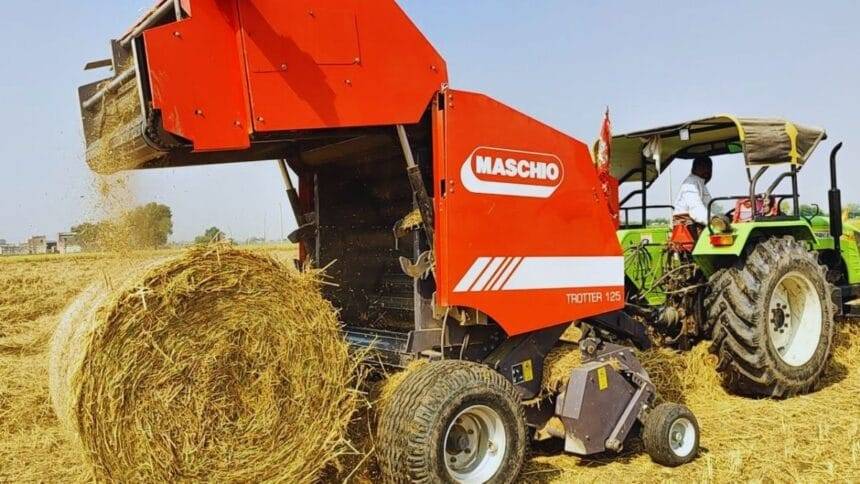
किसान गुरजीत सिंह ने ‘द ट्रिब्यून’ से बायोफ्यूल बनाने वाली मशीन के बारे में बताया, “यह हमारा पराली इकट्ठा करने का पहला साल है। हम पहले ही 1 लाख क्विंटल से अधिक धान की पराली इकट्ठा कर चुके हैं और सीजन के अंत तक लगभग 2 लाख क्विंटल पराली इकट्ठा करने की उम्मीद करते हैं। हमारे पास दो बेलर मशीनें, एक मोवर, ट्रैक्टर और ट्रेलर हैं।” उन्होंने कहा कि “यह प्रक्रिया involves machines that bind the straw into bundles, which are then taken to a facility to create pellets.” “हम किसानों को उनके खेत साफ करने की सुविधा मुफ्त में प्रदान करते हैं।”
किसानों की समस्याओं को आसान बनाना
गुरप्रीत सिंह ने कहा, “शुरुआत में हमने रम्बा, पाधना, कुराली, खेरीमं सिंह और चुरनी जैसे गांवों पर ध्यान केंद्रित किया और जल्द ही अन्य गांवों में भी बढ़ने की योजना है।” उन्होंने दावा किया कि इससे सिर्फ पराली निपटान में मदद नहीं मिली, बल्कि स्थानीय श्रमिकों को रोजगार भी मिला है। दोनों भाइयों ने अपने गांव में लगभग 95 प्रतिशत खेतों को कवर किया है और करनाल और यहां तक कि जिन्द के अन्य गांवों में भी अपना काम बढ़ाया है। वे पानीपत जिले में भी काम बढ़ाने की योजना बना रहे हैं।
दोनों किसान भाइयों का लक्ष्य रोजाना लगभग 100 टन पेलेट का उत्पादन करना है। गुरजीत ने कहा, “हम किसानों से न तो पैसे लेते हैं न ही उन्हें पराली के लिए भुगतान करते हैं। हमारा उद्देश्य उनके खेतों को साफ करना है ताकि वे पराली जलाने के लिए मजबूर न हों।” उन्होंने आगे कहा, “हम किसानों को पराली प्रबंधन के लाभों के बारे में बताते हैं।”
इसके अलावा, गांव घेद के एक अन्य उद्यमी वंश अरोड़ा ने पराली से पेलेट ईंधन बनाना शुरू कर दिया है। अरोड़ा, जो अब अपने दूसरे सीजन में हैं, किसानों और कस्टम हायरिंग केंद्रों को पराली के लिए गुणवत्ता के आधार पर 1,700 से 1,900 रुपये प्रति टन भुक्तान करते हैं। केंद्रीय सरकार ने पेलेट्स के लिए कीमतें तय की हैं, जो उनके कुल कैलोरिफिक मान के अनुसार हैं, जिनकी रेंज 6,000 से 9,000 रुपये प्रति टन है। “पेलेट का आकार 6 मिमी से लेकर 25 मिमी तक होता है, जो आमतौर पर कारखानों में उपयोग होता है,” उन्होंने कहा।
Complete News In English(पूरी खबर – अंग्रेज़ी में)
Where there is a will, there is a way. You must have heard this saying. The meaning of the proverb is that if the desire is strong and the effort is honest, then a way can be found even in darkness. Two farmer brothers from Karnal, Haryana have done something similar. The issue of stubble has become very serious in Haryana. A double-edged sword is currently hanging in front of the farmers. One thing is that if they burn stubble in the fields, they will have to face the brunt of FIR, red entry in revenue records and fine. And if they do not burn, their crops will be delayed and their earnings will be lost.
To get rid of these problems, the government started the work of providing stubble disposal machines to the farmers. These machines can be purchased cheaply by taking government subsidy. But farmers complain that the machines are not so cheap that every farmer can buy them and sell them by making bales of stubble and earn money from it. This is the reason that despite all the efforts of the government, the concept of stubble machine is not being implemented 100 percent on the ground. Currently, there is a severe shortage of these machines due to which farmers set fire to their fields as soon as they get a chance.
Amazing work of brothers of Karnal
Keeping all these things in mind, two farmer brothers of Karnal came up with a new solution. The names of these farmer brothers are Gurpreet Singh (45 years) and Gurjeet Singh (39 years). Both of them are working on a project by which paddy straw can be converted into fuel. It will not work as direct fuel, but by making small granules of it, it can be used as fuel in fuel, sugar mills and power plants. These two brothers are going to set up a factory to make straw pellets. Even three out of five machines have been installed for this. Farmer brothers say that they are currently collecting stubble from the farmers’ fields. As soon as this work is completed, they will start making straw pellets in the factory.
Also read: How much seed will be required for sowing peas in one hectare, which are the varieties that give good profits?
Farmer Gurjit Singh tells ‘The Tribune’ about the machine that makes pellet fuel (fuel grains) from stubble, “This is our first year of collecting stubble. We have already collected more than 1 lakh quintals of paddy straw and we hope to collect around 2 lakh quintals of paddy straw by the end of the season. We have two baler machines, mower, tractor and trailer to collect stubble and make bales. “The process involves machines that tie the straw into bundles, which are then taken to a facility to be made into pellets.” “We provide farmers with the facility to clean their fields for free,” he said.
Farmers’ problems became easier
Gurpreet Singh said, “Initially we focused on villages like Ramba, Padhana, Kurali, Kherimansingh and Churni and will soon expand to other villages too.” He claimed that this not only helped in stubble disposal but also provided employment to local workers.” The two brothers have covered about 95 percent of the fields in their village and have expanded to other villages in Karnal and even Jind and Plans are being made to increase work in Panipat districts also.
Both farmer brothers aim to produce around 100 tonnes of pellets every day. Gurjeet said, “We neither take money from farmers nor pay them for stubble. Our aim is to clean their fields so that they do not resort to stubble burning.” He further said, “We tell farmers about the benefits of stubble management.”
Also read: Changes in grain storage rules in Punjab, if needed, paddy will be kept in place of wheat.
Another entrepreneur, Vansh Arora of Ghed village has started making pellet fuel from stubble. Arora, now in his second season, pays farmers and custom hiring centers between Rs 1,700 and Rs 1,900 per tonne for stubble, depending on the quality. The central government has fixed the prices of pellets according to the total calorific value, whose rates range from Rs 6,000 to Rs 9,000 per tonne. “The pellet size ranges between 6 mm and 25 mm, which are commonly used in factories,” he said.