


Main Points In Hindi (मुख्य बातें – हिंदी में)
यहां पर दिए गए पाठ के मुख्य बिंदु निम्नलिखित हैं:
-
सर्दियों में हवा की गुणवत्ता में गिरावट: दिल्ली में सर्दियों के शुरू होते ही वायु गुणवत्ता फिर से खतरनाक स्तर तक गिर गई है, जिसका मुख्य कारण फसल अवशेषों का जलाना (स्टब्बल बर्निंग) है। 1 नवंबर को दिल्ली की प्रदूषण में स्टब्बल बर्निंग का योगदान 35.2 प्रतिशत तक पहुंच गया।
-
स्टब्बल बर्निंग की समस्या: स्टब्बल बर्निंग एक सामान्य प्रथा है जिसमें फसल के अवशेषों को आगामी बुवाई के लिए खेत साफ करने के लिए जला दिया जाता है, जिससे बड़े पैमाने पर प्रदूषण होता है, विशेषकर पीएम2.5 और पीएम10 जैसे हानिकारक कण।
-
AQI में वृद्धि: दिवाली के बाद स्टब्बल बर्निंग की घटनाएं बढ़ गई हैं, जिसके कारण दिल्ली, पंजाब और हरियाणा में वायु गुणवत्ता सूचकांक (AQI) में खतरनाक वृद्धि हुई है। उदाहरण के लिए, 2 नवंबर को दिल्ली का AQI 316 दर्ज किया गया, जबकि लुधियाना का AQI 339 था।
-
पंजाब और मध्य प्रदेश में स्टब्बल बर्निंग की घटनाओं में वृद्धि: 2 नवंबर को सैटेलाइट से रिकॉर्ड किए गए आंकड़ों के अनुसार, पंजाब में स्टब्बल बर्निंग की घटनाएं बढ़कर 379 तक पहुंच गईं, जबकि कुल 9,376 घटनाएं अन्य राज्यों में दर्ज की गईं।
- स्वास्थ्य समस्याएं: वायु प्रदूषण के कारण लोगों को सांस लेने में कठिनाई और आंखों में जलन जैसी समस्याओं का सामना करना पड़ रहा है। पंजाब के कुछ जिलें, जैसे कि अमृतसर, सबसे अधिक प्रभावित हैं।
Main Points In English(मुख्य बातें – अंग्रेज़ी में)
Here are the main points from the provided text regarding the worsening air quality in Delhi due to stubble burning:

-
Dangerous Air Quality Levels: Delhi’s air quality has deteriorated significantly, with stubble burning contributing to 35.2% of the pollution on November 1. This is a sharp increase from 27.6% the previous day, marking the highest level of pollution for the season.
-
Impact of Stubble Burning: Stubble burning, a common agricultural practice in states like Punjab and Haryana, leads to the release of harmful pollutants such as PM2.5 and PM10, exacerbating air quality issues in North India and specifically in Delhi.
-
Increased Pollutant Levels Post-Diwali: Following the Diwali festival, the practice of stubble burning sees a significant rise, leading to dangerously high AQI levels in Delhi and nearby regions. For instance, Delhi recorded an AQI of 316 on November 2, while Ghaziabad reached 330 and Ludhiana recorded 339.
-
Rising Incidents of Stubble Burning: Satellite data shows an uptick in stubble burning incidents across several states. Punjab is at the forefront with 379 incidents detected on November 2, contributing to a total of 9,376 cases in the region from September 15 to November 2.
- Health Implications: The increase in pollution levels is causing respiratory issues among the population, with many experiencing difficulty in breathing and eye irritation. Areas severely affected include major districts in Punjab and Madhya Pradesh.
Complete News In Hindi(पूरी खबर – हिंदी में)
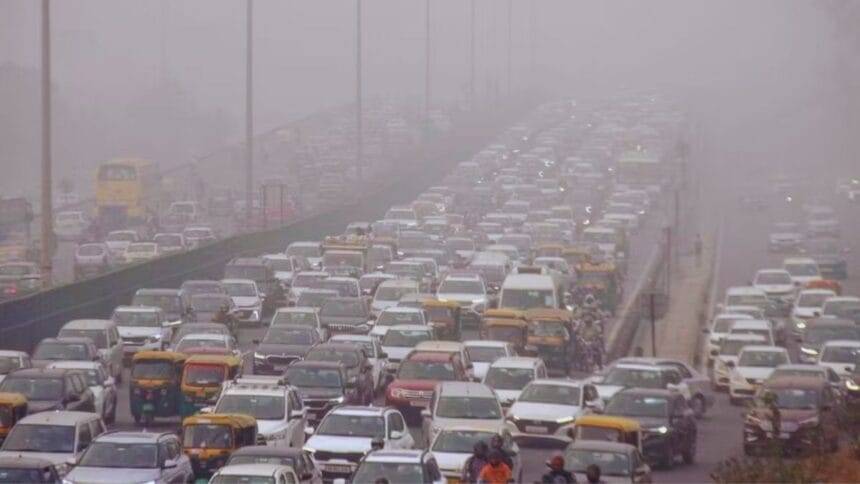
जैसे ही देश में सर्दी का मौसम शुरू हुआ, दिल्ली में वायु गुणवत्ता फिर से गिर गई है, जो मुख्यत: पराली जलाने के कारण अत्यधिक ख़तरनाक स्तर तक पहुँच गई है। भारतीय उष्णकटिबंधीय मौसम विज्ञान संस्थान (IITM) के अनुसार, दिल्ली में वायु प्रदूषण में पराली जलाने का योगदान 1 नवंबर को 35.2 प्रतिशत हो गया, जो पिछले दिन 27.6 प्रतिशत था। यह इस मौसम का सबसे ऊँचा स्तर है। यह चिंताजनक वृद्धि पंजाब, हरियाणा, मध्य प्रदेश, राजस्थान और उत्तर प्रदेश जैसे बड़े कृषि राज्यों में पराली जलाने के कारण हुई है।
पराली जलाना फसल कटाई के बाद की एक सामान्य विधि है, जिसमें फसल के अवशेषों को जलाकर अगले बोने के लिए खेतों को साफ किया जाता है। यह किसानों के लिए सुविधाजनक है, लेकिन यह वायुमंडल में बड़े पैमाने पर प्रदूषण छोड़ देता है, जिसमें कण प्रदूषक (PM2.5 और PM10), नाइट्रोजन ऑक्साइड शामिल हैं। जब ये प्रदूषक उत्तर-पश्चिमी हवाओं के साथ मिलते हैं, तो वे उत्तर भारत, विशेषकर दिल्ली में वायु गुणवत्ता को बुरी तरह प्रभावित करते हैं।
दिल्ली-एनसीआर, पंजाब और हरियाणा में AQI बढ़ा
दीवाली के त्योहार के अंत के साथ, पराली जलाने की प्रथा में काफी वृद्धि होती है, जिससे पंजाब, हरियाणा और दिल्ली एनसीआर के विभिन्न जिलों में वायु गुणवत्ता सूचकांक (AQI) स्तर में चिंताजनक बढ़ोतरी होती है। 2 नवंबर को, दिल्ली में 24 घंटे का औसत AQI 316 दर्ज किया गया, जो खतरनाक है। गाजियाबाद में AQI 330 दर्ज किया गया, जबकि लुधियाना का वायु गुणवत्ता स्तर “बहुत खराब” था, जिसका AQI 339 था।
इसके अलावा पढ़ें:- पराली जलाने की घटनाओं में 26 प्रतिशत की कमी, प्रबंधन की कमी किसानों के लिए समस्या बन रही है।
पंजाब का अमृतसर सबसे प्रभावित क्षेत्र रहा, जहाँ AQI 368 दर्ज किया गया, जो गंभीर स्थितियों को दर्शाता है। चंडीगढ़ में AQI 277 दर्ज किया गया। अन्य जिलों में भी ऊँचे AQI स्तर दर्ज किए गए, जैसे जिंद में 337 और श्रीगंगानगर में 333।
पंजाब और मध्य प्रदेश में पराली जलाने की घटनाओं में वृद्धि
सैटेलाइट रिमोट सेंसिंग से पता चला है कि छह भारतीय राज्यों में पराली जलाने की घटनाएँ बढ़ी हैं। 2 नवंबर, 2024 को, सैटेलाइट रिमोट सेंसिंग ने 861 ऐसे मामलों का पता लगाया, जिनमें पंजाब पहले स्थान पर था, जहाँ 379 मामले दर्ज किए गए। अन्य राज्यों में 19 मामले हरियाणा में, 87 उत्तर प्रदेश में, दिल्ली में कोई नहीं, 80 राजस्थान में और 296 मध्य प्रदेश में दर्ज हुए। साथ ही, 15 सितंबर से 2 नवंबर, 2024 के बीच इन राज्यों में कुल 9,376 पराली जलाने की घटनाएँ दर्ज की गईं, जिसमें 3,916 पंजाब, 2,302 मध्य प्रदेश, 1,272 उत्तर प्रदेश, 1,036 राजस्थान और 838 हरियाणा में थीं।
लोग प्रदूषण के कारण समस्याओं का सामना कर रहे हैं
यह डेटा चिंताजनक है क्योंकि लोग साँस लेने में कठिनाई का सामना कर रहे हैं। लोगों को आँखों में जलन की समस्या भी हो रही है। इस दौरान पंजाब में पराली जलाने की घटनाओं में तेजी से वृद्धि हुई है; 1 नवंबर को 587 मामले दर्ज किए गए, जबकि दीवाली यानी 31 अक्टूबर को 484 मामले थे। इसी तरह, मध्य प्रदेश में 2 नवंबर को 296 मामले दर्ज किए गए, जो 1 नवंबर को 226 और 31 अक्टूबर को 145 थे। पंजाब के प्रमुख जिलों जैसे संगरूर, फिरोजपुर, तरन तारन और अमृतसर तथा मध्य प्रदेश के शेओपुर, रायसेन और होशंगाबाद सबसे अधिक प्रभावित हैं। (रिपोर्ट: कुमार कुनाल)
Complete News In English(पूरी खबर – अंग्रेज़ी में)
With the onset of winter in the country, the air quality in Delhi has once again fallen, reaching dangerous levels mainly due to stubble burning. According to data from the Indian Institute of Tropical Meteorology (IITM), the contribution of stubble burning to Delhi’s air pollution increased to 35.2 percent on November 1, from 27.6 percent the previous day, which is the highest level this season. This alarming increase is the effect of stubble burning in fields in major agricultural states including Punjab, Haryana, Madhya Pradesh, Rajasthan and Uttar Pradesh.
Stubble burning is a common post-harvest practice in which crop residues are set on fire to clear fields for the next sowing. Despite being convenient for farmers, this method releases large amounts of pollution into the atmosphere including particulate matter (PM2.5 and PM10), nitrogen oxides. When brought with north-westerly winds, these pollutants deteriorate the air quality to a great extent in North India and especially in Delhi.
AQI increased in Delhi-NCR, Punjab and Haryana
As the festival of Diwali comes to an end, the practice of stubble burning increases significantly after Diwali, leading to an alarming rise in Air Quality Index (AQI) levels in different districts of Punjab, Haryana and Delhi NCR. Is. On November 2, the 24-hour average AQI reading in Delhi was recorded at 316, which is dangerous. Ghaziabad recorded an AQI of 330, while Ludhiana’s air quality was recorded as “very poor” with an AQI of 339.
Also read:- 26 percent decline in incidents of stubble burning, lack of accurate management is becoming a problem for farmers.
Punjab’s Amritsar emerged the most affected area with an AQI of 368, indicating severe conditions. Chandigarh recorded 277 AQI. Also, high AQI levels of 337 and 333 were recorded in other districts like Jind and Sriganganagar.
Increase in incidents of stubble in Punjab and MP
Satellite remote sensing has revealed an increase in incidents of stubble burning associated with paddy harvesting in six Indian states. On November 2, 2024, satellite remote sensing detected 861 such incidents, with Punjab leading the way. 379 cases were registered there. The breakdown for other states included 19 cases in Haryana, 87 in Uttar Pradesh, none in Delhi, 80 in Rajasthan and 296 in Madhya Pradesh MP. At the same time, from September 15 to November 2, 2024, a total of 9,376 incidents of stubble burning were recorded in these states, which includes 3,916 incidents in Punjab, 2,302 incidents in Madhya Pradesh, 1,272 in Uttar Pradesh, 1,036 in Rajasthan and 838 incidents in Haryana.
People are facing problems due to pollution
This data is worrying because people are facing problems in breathing. People are also troubled by burning sensation in the eyes. At the same time, incidents of stubble burning have increased rapidly in Punjab, which has reached the top in this period with 587 cases on 1 November, whereas there were 484 cases on Diwali i.e. 31 October. Similarly, 296 incidents were recorded in Madhya Pradesh on November 2, which was 226 on November 1 and 145 on October 31. Major districts like Sangrur, Firozpur, Tarn Taran and Amritsar in Punjab and Sheopur, Raisen and Hoshangabad in Madhya Pradesh are the most affected. (Report by Kumar Kunal)