

Main Points In Hindi (मुख्य बातें – हिंदी में)
मुख्य बातें:
-
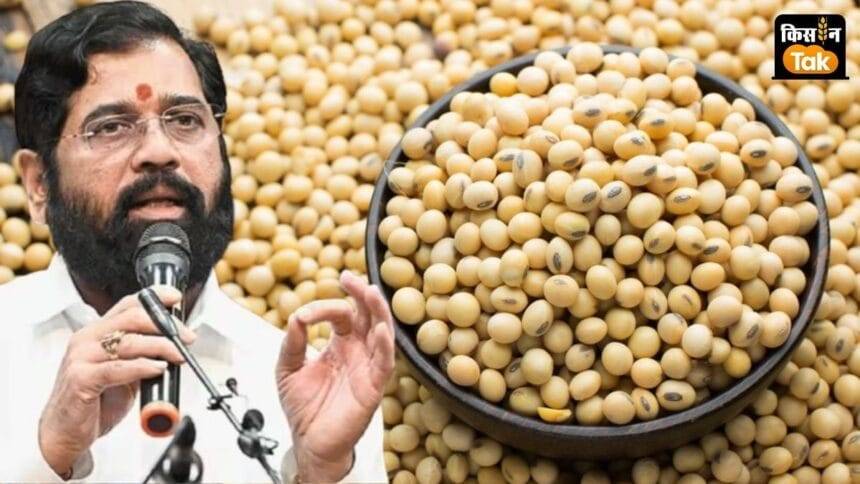
सोयाबीन की खरीद: महाराष्ट्र के मुख्यमंत्री एकनाथ शिंदे ने बताया कि सरकार किसानों से 15 प्रतिशत नमी वाले सोयाबीन को न्यूनतम समर्थन मूल्य पर खरीदने का निर्णय लिया है। सभी आवश्यक खरीद केंद्र खोले जाएंगे ताकि किसानों की पूरी सोयाबीन फसल खरीदी जा सके।
-
किसानों के लिए सहायता: शिंदे ने कहा कि उनकी सरकार किसानों को प्रति वर्ष 12 हजार रुपये की वित्तीय सहायता प्रदान कर रही है। इसके अलावा, सरकार ने किसानों के लिए एक रुपये में फसल बीमा योजना शुरू की है और विद्युत बिल माफी की भी घोषणा की है।
-
कपास के मूल्य में गिरावट: राज्य में कपास की कीमतें न्यूनतम समर्थन मूल्य से नीचे गिर गई हैं, जिसके कारण कपास और सोयाबीन किसानों की चिंता बढ़ गई है। शिंदे ने इस मुद्दे पर केंद्रीय मंत्रियों के साथ बातचीत की है और किसानों को राहत देने का आश्वासन दिया है।
-
कांग्रेस का आरोप: कांग्रेस नेता प्रियंका गांधी ने भाजपा सरकार पर कपास और सोयाबीन के गिरते मूल्यों का आरोप लगाया है। उन्होंने दावा किया कि भाजपा सरकार के कार्यकाल में किसानों की कमाई में गिरावट आई है और कृषि उत्पादों पर विभिन्न प्रकार के करों का बोझ बढ़ गया है।
- विद्युत और सौर पंपों का समर्थन: महाराष्ट्र सरकार ने उन किसानों के विद्युत बिल माफ कर दिए हैं जो इलेक्ट्रिक पंप का उपयोग कर रहे हैं और जरूरतमंद किसानों को सौर पंप भी प्रदान किए जा रहे हैं।
Main Points In English(मुख्य बातें – अंग्रेज़ी में)
-
Support for Farmers: Maharashtra Chief Minister Eknath Shinde announced that the government will purchase soybean with 15% moisture at a minimum support price (MSP) of Rs 4,892, ensuring that farmers can sell their entire soybean produce.
-
Financial Assistance: The government is providing significant financial support to farmers, including an annual cash grant of Rs 12,000, split between the central and state governments under the PM Crop Insurance Scheme. Additionally, crop insurance is being offered at a nominal fee of Re 1.
-
Infrastructure for Procurement: To facilitate the purchasing of soybean, the Chief Minister assured that all necessary procurement centers will be opened for farmers, aiming to alleviate their concerns about selling crops amidst falling prices.
-
Political Context: The announcement comes ahead of the Maharashtra assembly elections on November 20, amidst growing concerns among farmers regarding the declining prices of cotton and soybean, leading to criticism of the ruling BJP government.
- Opposition Critique: Congress leader Priyanka Gandhi criticized the BJP for the drop in crop prices and blamed government policies for deteriorating farmer incomes, drawing comparisons to previous higher prices of crops during the Congress government.

Complete News In Hindi(पूरी खबर – हिंदी में)
महाराष्ट्र के मुख्यमंत्री एकनाथ शिंदे ने Aaj Tak के साथ एक इंटरव्यू में कहा कि हम किसानों से 15 फीसदी नमी वाली सोयाबीन खरीद रहे हैं। किसानों को न्यूनतम समर्थन मूल्य पर सोयाबीन मिलेगा। उन्होंने कहा कि सभी केंद्र खोले जाएंगे ताकि किसानों की पूरी सोयाबीन खरीद की जा सके। उन्होंने कहा कि हमारी सरकार पहली बार किसानों को 1 रुपये में फसल बीमा सुविधा दे रही है। हम किसानों को सालाना 12 हजार रुपये नकद दे रहे हैं।
महाराष्ट्र में विधानसभा चुनाव के लिए मतदान 20 नवंबर को होगा। सभी राजनीतिक पार्टियाँ किसानों को लाभ देने की घोषणाएँ कर रही हैं। इस बीच, कपास की कीमतें न्यूनतम समर्थन मूल्य से नीचे गिरने और सोयाबीन को सही मूल्य न मिलने की समस्या बढ़ गई है। राज्य के कपास और सोयाबीन किसान सही मूल्य नहीं मिलने के कारण परेशान हैं। कई जगह किसान अपनी फसल भी नहीं बेच पा रहे हैं। इस मुद्दे पर मुख्यमंत्री एकनाथ शिंदे ने खुलकर बात की।
हम किसानों को 12 हजार रुपये सालाना दे रहे हैं
सीएम एकनाथ शिंदे ने कहा कि हमारी सरकार किसानों के हित में काम कर रही है। हमारी सरकार पहली सरकार है जो किसानों को 1 रुपये में फसल बीमा की सुविधा दे रही है। उन्होंने कहा कि हमने बिजली पर किसानों का बिल माफ कर दिया है। जरूरतमंद किसानों को सौर पंप दिए जा रहे हैं। यह पहली सरकार है जो किसानों को सालाना 12 हजार रुपये देती है। पीएम फसल बीमा योजना के तहत, केंद्र से 6,000 रुपये और राज्य सरकार से 6,000 रुपये मिलते हैं।
15 फीसदी नमी वाली सोयाबीन भी खरीदी जाएगी
मुख्यमंत्री ने कहा कि उन्होंने घटती सोयाबीन और कपास की कीमतों को लेकर केंद्रीय मंत्रियों पीयूष गोयल और अमित शाह से बात की है। उन्होंने कहा कि केंद्रीय संगठन नाफेड किसानों से 4892 रुपये प्रति क्वींटल की न्यूनतम समर्थन मूल्य पर सोयाबीन खरीद रहा है। सभी किसानों की सोयाबीन पूरी तरह से खरीदी जाएगी। उन्होंने यह भी कहा कि नाफेड 15 फीसदी नमी वाली सोयाबीन भी खरीद करेगा। सभी आवश्यक केंद्र खोले जाएंगे, ताकि सभी किसानों को मदद मिल सके। जरूरत पड़ी तो अभी और केंद्र भी खोले जाएंगे।
प्रियंका गांधी ने भाजपा पर फसलों के दाम को लेकर हमला बोला
इससे पहले, कांग्रेस नेता प्रियंका गांधी ने कपास और सोयाबीन की कम कीमतों को लेकर भाजपा सरकार पर तीखा हमला किया। उन्होंने कहा कि कांग्रेस सरकार के समय कपास का मूल्य 8,000 रुपये था, जबकि अब यह करीब 6,000 रुपये है। भाजपा सरकार ने कपास के आयात करके फसलों की कीमतें घटा दी हैं। सोयाबीन की कीमत पिछले 10 वर्षों से नहीं बढ़ी है। समय के साथ किसानों की आय में बढ़ोतरी होनी चाहिए थी, लेकिन आज उनकी आय कम हो गई है। पहले प्याज के निर्यात पर रोक लगाई गई, और जब रोक हटी तो निर्यात शुल्क लगाया गया। संतरे के निर्यात पर भी शुल्क बढ़ा, और कृषि वस्तुओं पर GST लागू किया गया। ऐसी परिस्थिति में किसानों को कैसे तरक्की मिलेगी?
और पढ़ें –
Complete News In English(पूरी खबर – अंग्रेज़ी में)
Maharashtra Chief Minister Eknath Shinde announced in an interview to Aaj Tak that we are also purchasing soybean with 15 percent moisture from farmers. Soybean will be purchased at minimum support price to the farmers. He said that all the centers required to purchase the entire soybean produce of the farmers will be opened. He said that ours is the only government which is providing crop insurance facility to farmers at Re 1. We are giving Rs 12 thousand in cash annually to the farmers.
Voting for assembly elections is going to be held in Maharashtra on 20th November. All political parties are loudly announcing to provide benefits to farmers. Meanwhile, the issue of cotton prices falling below the minimum support price and soybean not getting the right price has heated up in Maharashtra. Cotton and soybean farmers of the state are worried about the prices, they are not getting the right price. Whereas, in many places farmers are not able to sell their crops. Maharashtra Chief Minister Eknath Shinde spoke openly on this.
We are giving 12 thousand rupees annually to the farmers
Maharashtra Chief Minister Eknath Shinde said that our government is working in the interest of farmers. Our government is the first government which is providing crop insurance facility for farmers at Re 1. He said that we have waived the electricity bills of the farmers doing farming using electric pumps. Solar pumps are being given to those farmers who need them. This is the first government which gives Rs 12 thousand annually to the farmers. Under the PM Crop Insurance Scheme, Rs 6,000 is given by the Center and the remaining Rs 6,000 is given by the State Government.
Soybean with 15 percent moisture will also be purchased
The Chief Minister said that he has talked to Union Minister Piyush Goyal, Union Home Minister Amit Shah and representatives of the Central Government regarding the reduced prices of soybean and cotton. He said that the central organization NAFED is purchasing soybean from farmers at the minimum support price i.e. MSP of Rs 4892. The entire soybean produce of the farmers will be purchased. He said that NAFED will purchase soybean from farmers despite 15 percent moisture. As many centers as are required for procurement will be opened. All farmers will be given relief. If there is a need to open a center now, it will be opened.
Priyanka Gandhi cornered BJP on crop prices
Earlier, Congress leader Priyanka Gandhi fiercely attacked the BJP government through a social media post on the low prices of cotton and soybean. He said that during the Congress government the price of cotton was Rs 8,000. Right now you are getting around Rs 6,000. The BJP government has reduced the prices of your crop by importing cotton. The price of soybean has not increased for 10 years. Farmers’ earnings should have increased with time, but today their earnings have decreased. First the export of onion was banned, but when the ban was lifted, export duty was imposed. Duty increased on export of oranges, GST imposed on agricultural goods. How will farmers be able to progress in such a situation?