


Main Points In Hindi (मुख्य बातें – हिंदी में)
यहां हरियाणा में पराली जलाने के मामलों में गिरावट के मुख्य बिंदु दिए गए हैं:
-
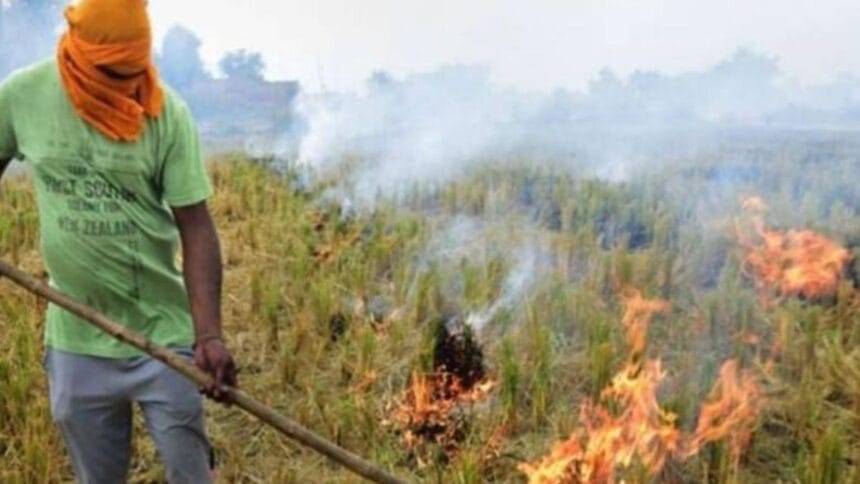
मामलों में गिरावट: हरियाणा में 15 सितम्बर से 6 अक्टूबर के बीच केवल 127 पराली जलाने के मामले दर्ज किए गए हैं, जबकि पिछले साल इसी अवधि में 190 मामले थे।
-
जिलों में सांद्रता: 84 प्रतिशत पराली जलाना के मामले केवल 7 जिलों में हुआ, जिनमें कर्णाल में सबसे अधिक 37 मामले और कुरुक्षेत्र में 27 मामले हैं।
-
सरकारी प्रयास: राज्य सरकार किसानों को पराली जलाने से रोकने के लिए सब्सिडी दे रही है, और 469 गाँवों में मशीनों का वितरण किया गया है। यह मशीनें किसानों को उनकी फसल के अवशेषों को संभालने में मदद कर रही हैं।
-
पर्यावरणीय चिंताएं: पराली जलाना पर्यावरण प्रदूषण बढ़ाने और स्वास्थ्य समस्याओं को जन्म देने का कारण बनता है, इसलिए अधिक कदम उठाने की आवश्यकता है।
- अवशिष्ट प्रबंधन की आवश्यकता: विशेषज्ञों का कहना है कि स्थायी और अस्थायी प्रबंधन तकनीकों की आवश्यकता है, और सरकार को फसल के अवशेषों की खरीद के लिए बाजार भी बनाना चाहिए।
Main Points In English(मुख्य बातें – अंग्रेज़ी में)
-
Decline in Stubble Burning Cases: Haryana has registered a significant decrease in stubble burning incidents, with only 127 cases reported between September 15 and October 6, compared to 190 cases during the same period last year.
-
Concentration of Incidents: The majority (84%) of stubble burning incidents this year occurred in just seven districts, with Karnal having the highest number of incidents at 37, followed by Kurukshetra (27) and others.
-
Government Initiatives and Subsidies: The state government is providing subsidies to farmers and has introduced about 90,000 machines to help them manage stubble. Distribution of these machines has been made to 469 villages in key districts.
-
Need for Continued Efforts: Experts, including Anumita Roy Chowdhury from the Center for Science and Environment, emphasize that while the government has made progress, further measures are essential to completely address the issue of stubble burning.
- Challenges in Crop Management: Farmers often resort to burning stubble due to the limited time available between harvesting rice and planting the next crop, exacerbating environmental pollution and health risks.

Complete News In Hindi(पूरी खबर – हिंदी में)
हरियाणा में पराली जलाने के मामलों में कमी आई है। सितंबर 15 से अक्टूबर 6 के बीच राज्य में कुल 127 पराली जलाने के मामले दर्ज किए गए हैं। इनमें से 84 प्रतिशत मामले सिर्फ 7 जिलों में हुए हैं। भारतीय कृषि अनुसंधान संस्थान (IARI) द्वारा जारी किए गए आंकड़ों के अनुसार, पिछले साल इसी अवधि में हरियाणा में 190 पराली जलाने के मामले रिपोर्ट हुए थे। जबकि 2022 और 2021 में क्रमशः 48 और 24 मामले दर्ज किए गए थे। दिलचस्प बात यह है कि इस साल 127 मामलों में से 107 मामले सात जिलों में ही हुए हैं। सबसे ज्यादा 37 आग के मामले करनाल में और इसके बाद कुरुक्षेत्र में 27 मामले, कैथल में 9, अंबाला में 9, फरीदाबाद में 9, सोनीपत में 8 और यमुनानगर में 8 मामले रिपोर्ट हुए हैं।
टाइम्स ऑफ इंडिया की रिपोर्ट के अनुसार, विशेषज्ञों का कहना है कि हरियाणा, पंजाब और उत्तर प्रदेश में नवंबर से सितंबर तक अधिक रबी फसलों की बुवाई होती है। ऐसे में इस दौरान पराली जलाने के अधिक मामले होने की संभावना है। सेंटर फॉर साइंस एंड एनवायरनमेंट (CSE) की कार्यकारी निदेशक अनुमिता रॉय चौधरी ने कहा कि सरकार ने खेतों में पराली जलाने की घटनाओं को कम करने के लिए सही कदम उठाए हैं, लेकिन उन्होंने जोर देकर कहा कि अभी भी अधिक कदम उठाने की आवश्यकता है।
सरकार किसानों को सब्सिडी दे रही है
उन्होंने कहा कि राज्य सरकारें पराली जलाने की घटनाओं को खत्म करने के लिए किसानों को सब्सिडी दे रही हैं। हालांकि, इसके बावजूद कुछ और उपाय करने की आवश्यकता है। हरियाणा में किसानों को अपनी भूमि को जुताई के लिए मदद करने के लिए लगभग 90,000 मशीनें उपलब्ध हैं। यदि किसान चाहें, तो ये मशीनें पराली प्रबंधन करने में मदद कर सकती हैं। साथ ही, सरकारों को यह सुनिश्चित करना चाहिए कि यह तकनीक छोटे किसानों तक भी पहुंचे। चौधरी के अनुसार, राज्य सरकार को फसल अपशिष्ट खरीदने के लिए एजेंसियों के लिए एक बाजार बनाना चाहिए, ताकि किसानों को इसे जलाने से रोका जा सके।
469 गांवों में मशीनों का वितरण
हालांकि, वैज्ञानिकों ने भी इस समस्या का समाधान करने के लिए जिला योजना के आधार पर इन-सिटू और एक्स-सिटू प्रबंधन तकनीकों की आवश्यकता पर जोर दिया है। इसी बीच, एक अधिकारी ने दावा किया कि सरकार ने 12 हॉटस्पॉट जिलों में शामिल 469 गांवों के किसानों को रियायती दरों पर मशीनें उपलब्ध कराई हैं। इस साल सरकारी आंकड़े बताते हैं कि राज्य में 38.9 लाख एकड़ में धान की खेती की जाती है, जिससे लगभग 81 लाख टन फसल अपशिष्ट उत्पन्न होता है।
क्यों जलाते हैं किसान पराली
अधिकारी ने कहा कि किसान आमतौर पर इसे जलाकर अपने खेतों को साफ करते हैं और अगले फसल की तैयारी करते हैं। लेकिन यह पर्यावरण प्रदूषण को बढ़ाता है और कई स्वास्थ्य खतरों का कारण बनता है। अधिकारी ने कहा कि फसल अपशिष्ट जलाने का मुख्य कारण धान की कटाई और अगली फसल की बुवाई के बीच का समय कम होना है। हमने राज्य भर में मशीनें तैनात की हैं और इनका अधिकतम उपयोग भी सुनिश्चित किया जा रहा है।
Complete News In English(पूरी खबर – अंग्रेज़ी में)
There has been a decline in the cases of stubble burning in Haryana. A total of 127 cases of stubble burning have been registered in the state between September 15 and October 6. Of these, 84 percent incidents have occurred in only 7 districts. According to data released by the Indian Agricultural Research Institute (IARI), 190 cases of stubble burning were reported in Haryana during the same period last year. But in the year 2022 and 2021, 48 and 24 incidents of stubble burning were recorded respectively. The special thing is that this year, out of these 127 cases, 107 cases have occurred in seven districts. Maximum 37 fire incidents occurred in Karnal. After this, 27 cases have been reported in Kurukshetra, 9 in Kaithal, 9 in Ambala, 9 in Faridabad, 8 in Sonipat and 8 in Yamunanagar.
According to the report of The Times of India, experts say that more Rabi crops are sown in Haryana, Punjab and UP during the months of November to September. In such a situation, there is a possibility of more cases of stubble burning during this period. Anumita Roy Chowdhury, executive director of the Center for Science and Environment (CSE), has said that the government has taken the right steps to reduce the incidents of stubble burning in fields, but she stressed that more steps are still needed. Is.
Also read- Sale of ‘Bharat’ brand rice, flour and pulses can start again, this time the price will be this much
Government is giving subsidy to farmers
He said that state governments are giving subsidies to farmers to end the incidents of stubble burning. But despite this, some more measures need to be taken. There are around 90,000 machines in Haryana to help farmers plow their land. If farmers wish, they can manage stubble with these machines. At the same time, governments should also ensure that this technology reaches marginal farmers also. According to Chaudhary, the state government should also create a market for agencies to purchase crop residue, so that farmers can be prevented from burning it.
Distribution of machines in 469 villages
However, scientists have also stressed the need for in-situ and ex-situ management techniques based on district planning practices to deal with this problem. Meanwhile, an official claimed that the government has provided machines at concessional rates to farmers in 469 villages, which were part of the 12 hotspot districts identified by it. Government data for this year shows that paddy is grown in 38.9 lakh acres in the state, generating an estimated 81 lakh tonnes of crop residue.
Also read- UP Police Constable Result 2024: When will the result of UP Police Constable Exam come? Big update came out
This is why farmers burn stubble
The official said farmers usually burn crop residues to clear their fields and prepare them for the next crop. But this increases the level of environmental pollution and creates many health hazards. The official said the main reason for burning crop residue is the shortening of time between harvesting of rice and sowing of the next crop. We have deployed machines across the state. Their maximum use has also been planned.