

Main Points In Hindi (मुख्य बातें – हिंदी में)
-
पराली जलाना और प्रदूषण: दिल्ली-एनसीआर में वायु प्रदूषण के मुख्य कारणों में पराली जलाना एक प्रमुख समस्या है। हालांकि, इस वर्ष पराली जलाने की घटनाओं में कमी आई है, लेकिन यह पूरी तरह से बंद नहीं हुई हैं। पराली जलाने से खेतों की उर्वरता पर भी नकारात्मक प्रभाव पड़ता है।
-
मिट्टी की जैविक कार्बन कमी: भारतीय उपमहाद्वीप में मिट्टी की जैविक कार्बन (SOC) स्तर में 1960 के दशक के बाद काफी कमी आई है, जिससे पोषक तत्वों की कमी हो रही है और उत्पादन में गिरावट आ रही है।
-
उर्वरक का संतुलन: उर्वरक के उपयोग में संतुलन आवश्यक है। 1 टन चावल उत्पादन के लिए 20 किलोग्राम नाइट्रोजन, 3.5 किलोग्राम फास्फोरस, और 20 किलोग्राम पोटाश की आवश्यकता होती है।
-
भूमि स्वास्थ्य का महत्व: अच्छी मिट्टी स्वास्थ्य का मतलब है बेहतर पौधों, पशुओं और मानव स्वास्थ्य। इसके लिए मिट्टी की सुरक्षा महत्वपूर्ण है।
- प्राकृतिक खेती पर शोध: पिछले 5 वर्षों से प्राकृतिक खेती पर शोध चल रहा है, और वैज्ञानिकों का मानना है कि भविष्य में भारत प्राकृतिक खेती में एक दिशा दिखा सकता है।
Main Points In English(मुख्य बातें – अंग्रेज़ी में)
Here are the main points from the provided text:
-
Stubble Burning and Soil Fertility: Stubble burning is a significant contributor to air pollution in Delhi-NCR, causing not only environmental harm but also adverse effects on soil fertility. Each acre of burned stubble results in a loss of essential nutrients like phosphorus, nitrogen, and potassium.
-
Need for Comprehensive Solutions: Dr. SK Choudhary emphasizes that addressing stubble burning requires an integrated approach that combines various methods, including bio-decomposers, machines, and industrial usage, rather than relying on a single solution.
-
Decline of Soil Organic Carbon (SOC): The Indo-Gangetic Plain has seen a significant reduction in soil organic carbon since the 1960s, from 1.0% to 0.3%. This decline negatively impacts plant growth, nutrient availability, and agricultural productivity.
-
Nutrient Deficiencies in Soil: While there has been some improvement in the deficiencies of certain nutrients like zinc, boron, and sulfur in Indian soils, there remains a need for balanced fertilizer use, including micronutrients, to ensure sustainable farming practices.
- Interconnectedness of Soil Health and Human Well-Being: Good soil health is crucial for the overall health of plants, animals, and humans. The Global Soil Conference highlights the importance of soil care to maintain ecosystems and ensure food security.

Complete News In Hindi(पूरी खबर – हिंदी में)
दिल्ली-एनसीआर में वायु प्रदूषण के कई कारणों में से, पराली जलाने की घटनाएं एक बड़ा कारण रही हैं। हालांकि इस साल पराली जलाने की घटनाओं में पिछले वर्षों की तुलना में भारी कमी आई है, लेकिन यह पूरी तरह से रुकी नहीं हैं। पराली जलाने से खेतों की उर्वरता पर भी नकारात्मक प्रभाव पड़ता है। अगर आप नहीं जानते कि इसके नुकसान कितने बड़े हैं, तो हम बताना चाहेंगे। भारतीय कृषि अनुसंधान परिषद (ICAR) के उप महानिदेशक डॉ. एसके चौधरी का कहना है कि एक एकड़ पराली जलाने से 12.5 किलो फास्फोरस, 20 किलो नाइट्रोजन और 30 किलो पोटैशियम का नुकसान होता है। ये तीनों खेती के लिए आवश्यक हैं और पराली जलाने से इनका नुकसान होता है।
नई दिल्ली में राष्ट्रीय कृषि विज्ञान अकादमी में मंगलवार से शुरू हुए ग्लोबल सॉयल कॉन्फ्रेंस में, डॉ. चौधरी ने कहा कि पराली से संबंधित समस्याओं का समाधान केवल मिट्टी से ही मिल सकता है। हमें देखना होगा कि इसे मिट्टी में कितनी जल्दी घुलाया जा सकता है। पराली का समाधान केवल जैव-डेकॉम्पोजर्स, मशीनों या किसानों के खिलाफ कार्रवाई करने से नहीं होगा; इसके लिए सभी उपायों को मिलाकर काम करना जरूरी है। जैव-डेकॉम्पोजर का असर देखने में कम से कम 28 दिन लगते हैं, इसलिए पराली प्रबंधन को इसके आधार पर नहीं किया जा सकता।
और पढ़ें: सोयाबीन, कपास और प्याज की कीमतें राजनीतिक ‘हथियार’ बन गई हैं… महाराष्ट्र विधानसभा चुनाव में किसान क्या करेंगे?
मिट्टी का कार्बन कितना है?
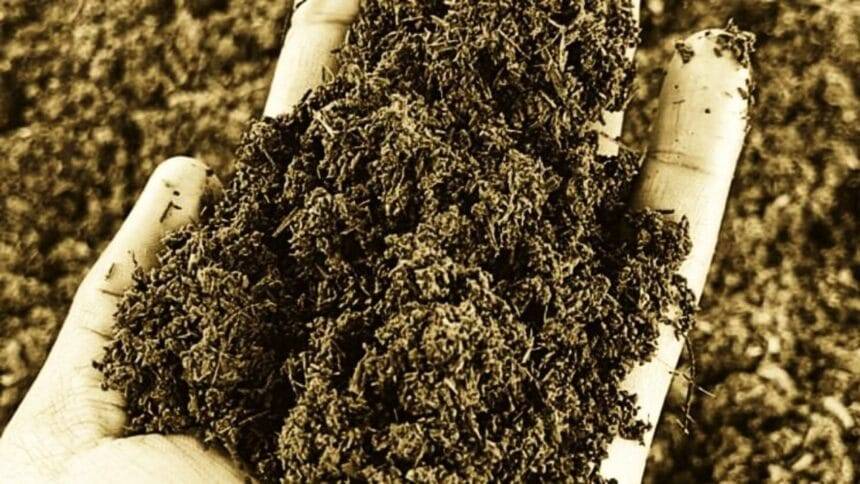
अब बात करते हैं मिट्टी के कार्बन की, जो कृषि की उर्वरता के लिए बहुत महत्वपूर्ण है। जहां धान और गेहूं मुख्य रूप से उगाए जाते हैं, वहां इंडो-गैंगेटिक प्लेन में मिट्टी का कार्बन (SOC) 1960 के बाद काफी कम हुआ है। इसे ठीक करना एक बड़ा चुनौती है। वास्तव में, SOC सभी पोषक तत्वों का स्रोत है। इसकी कमी के कारण पौधों की वृद्धि रुक जाती है और उनकी बीमारियों से लड़ने की क्षमता कम हो जाती है। इसकी कमी के कारण खेतों में पोषक तत्वों की कमी होती है, जिससे उत्पादन में कमी आने लगती है। इसके लिए किसान अधिक रासायनिक खाद का उपयोग करते हैं, जिससे खेती का खर्च बढ़ जाता है। इसका परिणाम यह होता है कि SOC और कम हो जाता है।
डॉ. चौधरी ने कहा कि कम SOC का मतलब है कि मिट्टी में सूक्ष्मजीवों की संख्या काफी कम हो गई है। 1960 में यह 1.0 प्रतिशत था, जबकि अब यह केवल 0.3 प्रतिशत रह गया है। यह रासायनिक खाद और पानी के अंधाधुंध उपयोग के कारण हुआ है। सवाल यह है कि किसानों को क्या करना चाहिए? अगर खाद का प्रयोग नहीं करेंगे, तो गेहूं और चावल कैसे उगाएंगे और हमारी खाद्य सुरक्षा कैसे सुनिश्चित होगी?
कितनी खाद की जरूरत है?
ICAR के महानिदेशक डॉ. हिमांशु पाठक का कहना है कि 1 टन चावल उत्पन्न करने के लिए 20 किलो नाइट्रोजन, 3.5 किलो फास्फोरस और 20 किलो पोटैशियम की जरूरत होती है। किसानों को ये प्रयोग करना आवश्यक है। उच्च तापमान के कारण मिट्टी का कार्बन भी कम होता है। उच्च तापमान में, कार्बन गैस के रूप में खेत से वाष्पित हो जाता है।
कितनी पोषक तत्वों की कमी है?
डॉ. चौधरी ने बताया कि कुछ साल पहले भारत में मिट्टी में जस्ता की कमी 50 प्रतिशत थी, लेकिन अब यह सुधरकर केवल 40 प्रतिशत रह गई है। बोरोन की कमी 22 प्रतिशत है। सल्फर भी कम है। हालाँकि, अब रासायनिक खाद का उपयोग पहले की तुलना में संतुलित हो चुका है। लेकिन, सूक्ष्म पोषक तत्वों का उपयोग भी करना पड़ेगा। खाद के संतुलन का ध्यान रखना होगा। हमें यह ध्यान रखना है कि हम अगली पीढ़ी के लिए किस तरह की मिट्टी छोड़ेंगे। प्रकृति के अनुकूल कृषि करनी होगी। पिछले पांच वर्षों से 16 राज्यों में 20 स्थानों पर प्राकृतिक खेती पर शोध चल रहा है। कुछ वर्षों में हम इस मामले में पूरी दुनिया को दिशा दिखाएंगे।
मिट्टी की देखभाल का समय
डॉ. पाठक ने बताया कि लगभग 2000 वैज्ञानिक देश भर से तीन दिन लंबे इस वैश्विक मिट्टी सम्मेलन में भाग ले रहे हैं। मिट्टी की भूमिका केवल खाद्य उत्पादन तक सीमित नहीं है। अगर मिट्टी का स्वास्थ्य अच्छा होगा, तो पौधों का स्वास्थ्य अच्छा होगा, अगर पौधों का स्वास्थ्य अच्छा होगा, तो जानवरों का स्वास्थ्य भी अच्छा होगा, और जब जानवरों का स्वास्थ्य अच्छा होगा, तभी मानव स्वास्थ्य भी अच्छा होगा। ये सभी एक-दूसरे से जुड़े हुए हैं। इसलिए अब मिट्टी की देखभाल करने का समय आ गया है।
यह भी पढ़ें: कपास के उत्पादन में भारी गिरावट, मुख्य कारण क्या है…यह आपकी जेब पर भी असर डालेगा
Complete News In English(पूरी खबर – अंग्रेज़ी में)
Among the reasons responsible for air pollution in Delhi-NCR, incidents of stubble burning have also been identified as a major villain. Although, this year there has been a huge reduction in the incidents of stubble burning as compared to previous years, but the cases have not stopped completely. Whereas, due to burning of stubble, the fertility of the field is also adversely affected. If you have no idea how big the loss is, then we can tell you. Dr. SK Choudhary, Deputy Director General of the Indian Council of Agricultural Research (ICAR), says that burning of stubble in one acre causes loss of 12.5 kg phosphorus, 20 kg nitrogen and 30 kg potassium. All three are essential for farming and burning of stubble causes loss of these.
In the Global Soil Conference that started on Tuesday at the National Academy of Agricultural Sciences in New Delhi, Dr. Choudhary said that the solution to the problem related to stubble will come only from the soil. We have to see how it dissolves in the soil as quickly as possible. The solution to stubble will neither be achieved by bio-decomposers alone, nor by machines, nor by its industrial use, nor by mere action against farmers. The solution will be by taking all these things together. It takes at least 28 days for the bio decomposer to have its effect, hence stubble management cannot be done solely by relying on it.
Also read: Prices of soybean, cotton and onion become political ‘weapons’… What will farmers do in Maharashtra Assembly elections?
How much is soil organic carbon?
Now let’s talk about soil organic carbon, which is very important for the fertility of agriculture. Soil organic carbon (SOC) in the Indo-Gangetic Plain, where paddy and wheat are mainly grown, has reduced significantly compared to the 1960s. Fixing this is a big challenge. Actually, SOC is the source of all nutrients. Due to its deficiency, the growth of plants stops and their ability to fight diseases slows down. Due to its decrease there is deficiency of nutrients in the field. Due to which the production starts decreasing. To accomplish this, farmers use more chemical fertilizers, which increases the cost of farming. The result is that the SOC decreases further.
Dr. Chaudhary said that low SOC means that the number of microorganisms in the soil has reduced significantly. In the sixties it used to be up to 1.0 percent, whereas now it has come down to only 0.3 percent. This has happened due to indiscriminate use of fertilizer and water. The question is, what should farmers do? If fertilizer is not applied, how will wheat and rice be produced and how will our food security be ensured?
How much fertilizer is needed?
ICAR Director General Dr. Himanshu Pathak says that to produce 1 ton of rice, 20 kg nitrogen, 3.5 kg phosphorus and 20 kg potassium are required. This much the farmers have to use. Soil organic carbon also decreases due to high temperature. Due to high temperature, organic carbon evaporates from the field in the form of carbon dioxide gas.
How much nutrient deficiency?
Dr. Chaudhary told that till a few years ago there was 50 percent deficiency of zinc in the soil in India, but now it has improved and its deficiency has reduced to only 40 percent. There is 22 percent deficiency of boron. Sulfur is also less. However, now the use of chemical fertilizers has become balanced as compared to earlier. But, there is a need to use micronutrients also. Balance of fertilizers will have to be used. We have to keep in mind what kind of soil we will leave for the coming generations. Nature positive agriculture will have to be done. For the last five years, research on natural farming is going on at 20 places in 16 states. In a few years we will show direction to the whole world in this matter.
time to take care of soil
Dr. Pathak told that about 2000 scientists from across the country are participating in the three-day long Global Soil Conference. The role of soil is not limited to food production only. If soil health is good then plant health will be good, if plant health is good then animal health will be good and only if animal health is good then human health will also be good. All these are connected to each other. Therefore now is the time to take care of the soil.
Read this also: Huge decline in cotton production, what is the main reason…it will affect your pocket also