


Main Points In Hindi (मुख्य बातें – हिंदी में)
-
PFAS का परिचय और जोखिम: पर- और पॉलीफ्लोरोएल्काइल पदार्थ (PFAS), जिन्हें "हमेशा के लिए रसायन" कहा जाता है, ना केवल पर्यावरण में अत्यधिक स्थायी होते हैं, बल्कि मानव स्वास्थ्य को गंभीर नुकसान भी पहुंचा सकते हैं। इनका उपयोग नॉनस्टिक कुकवेयर, अग्निशामक फोम, और खाद्य पैकेजिंग जैसे रोजमर्रा के उत्पादों में किया जाता है।
-
सीवेज कीचड़ का उपयोग: सीवेज कीचड़, जिसे बायोसॉलिड भी कहा जाता है, को अक्सर कृषि में उर्वरक के रूप में उपयोग किया जाता है। हालांकि, इसमें PFAS जैसे रासायनिक संदूषकों की मौजूदगी चिंता का विषय है, क्योंकि ये रसायन मिट्टी और फसलों में पहुंच सकते हैं।
-
PFAS का फसलों और भोजन में संचार: PFAS युक्त सीवेज कीचड़ कृषि भूमि पर डालने के बाद, ये रसायन फसलों द्वारा अवशोषित हो सकते हैं, जिससे वे मानव भोजन और पशुधन तक पहुंच सकते हैं। इससे स्वास्थ्य जोखिम, जैसे कैंसर और अन्य विकास संबंधी समस्याएँ, उत्पन्न हो सकते हैं।
-
विनियामक चुनौतियाँ और राज्यगत उपाय: PFAS के लिए विशेष विनियामक मानकों की कमी है, जिससे किसान और बायोसॉलिड उत्पादक प्रभावित हो रहे हैं। कुछ राज्यों ने इस मुद्दे पर कार्रवाई की है, जैसे मेन ने सीवेज कीचड़ के उपयोग पर प्रतिबंध लगाया है और खेतों का परीक्षण शुरू किया है।
- PFAS के उपयोग को कम करने की आवश्यकता: समस्या का अंतर्निहित समाधान उपभोक्ता और औद्योगिक उत्पादों में PFAS के उपयोग को कम करना है। इसके साथ ही, किसानों और खाद्य आपूर्ति को PFAS के आगे के संदूषण से बचाने के लिए बायोसॉलिड के लिए कठोर नियम और बेहतर परीक्षण प्रोटोकॉल की आवश्यकता है।
Main Points In English(मुख्य बातें – अंग्रेज़ी में)
Here are 5 main points summarizing the provided text on PFAS (Per- and Polyfluoroalkyl Substances) and their impact related to sewage sludge:
-
Perpetual Chemical Presence: PFAS, often referred to as "forever chemicals," are synthetic compounds that persist in the environment due to their resistance to degradation, finding their way into everyday products like nonstick cookware, firefighting foams, and food packaging.
-
Contamination of Agricultural Land: The use of sewage sludge, a byproduct of wastewater treatment rich in nutrients, as fertilizer poses a significant risk of PFAS contamination in agricultural soils, which can later be absorbed by crops, entering the food chain.
-
Inadequate Regulation: While the U.S. Environmental Protection Agency (EPA) regulates pathogens and heavy metals in biosolids, there are currently no specific standards for PFAS despite evidence of their presence in treated sewage sludge used on farmland, highlighting a gap in regulatory oversight.
-
Instances of Legal Action and State Responses: Farmers in states like Texas and Maine have experienced the harmful effects of PFAS contamination, leading to lawsuits against suppliers and, in Maine’s case, a complete ban on the use of sewage sludge as fertilizer along with systematic testing of farmland for contamination.
- Call for Solution: Addressing PFAS contamination may require reducing or eliminating the use of these substances in consumer and industrial products to prevent their entry into wastewater systems, alongside the need for stricter regulations and improved testing protocols for biosolids to protect farmers and the food supply.

Complete News In Hindi(पूरी खबर – हिंदी में)
पर- और पॉलीफ्लोरोएल्काइल पदार्थ (PFAS)
पर- और पॉलीफ्लोरोएल्काइल पदार्थ (PFAS), जिन्हें "हमेशा के लिए रसायन" के नाम से जाना जाता है, ने अपनी पर्यावरण में स्थिरता और मानव स्वास्थ्य पर संभावित हानिकारक प्रभावों के कारण महत्वपूर्ण ध्यान आकर्षित किया है। PFAS एक प्रकार के सिंथेटिक रसायन हैं जो नॉनस्टिक कुकवेयर, अग्निशामक फोम, और खाद्य पैकेजिंग जैसे दैनिक उत्पादों में पाए जाते हैं। इनमें से कई रसायन अत्यधिक प्रतिरोधी होते हैं और पर्यावरण में वर्षों तक बने रहते हैं। इसके परिणामस्वरूप, PFAS जल, मिट्टी, और खाद्य उत्पादों में अपशिष्ट जल सिस्टम के माध्यम से प्रवेश कर जाते हैं।
PFAS का समुचित प्रबंधन आवश्यक है, विशेषकर कृषि संदर्भ में। कृषि भूमि में PFAS के प्रमुख प्रवेश का मार्ग नगरपालिका सीवेज कीचड़ का उपयोग है। जब सीवेज कीचड़ को फसल भूमि पर उर्वरक के रूप में उपयोग किया जाता है, तो यह PFAS को मिट्टी में स्थानांतरित करने का कारण बन सकता है, जिससे फसलें इन हानिकारक रसायनों का अवशोषण कर सकती हैं।
सीवेज कीचड़ का प्रबंधन
सीवेज कीचड़, जिसे बायोसॉलिड भी कहा जाता है, अपशिष्ट जल उपचार प्रक्रिया का उपोत्पाद होता है। अपशिष्ट जल के उपचार के बाद, ठोस अवशेषों को कई पोषक तत्वों के साथ सुरक्षित उर्वरक माना जाता है, जिसमें नाइट्रोजन, फास्फोरस, और पोटेशियम शामिल होते हैं। अमेरिका में किसानों को दशकों से सीवेज कीचड़ के उपयोग के लिए प्रोत्साहित किया जाता रहा है, क्योंकि यह उर्वरक के रूप में लाभकारी है और सिंथेटिक खादों की आवश्यकता को कम करता है।
हालांकि, यह सुनिश्चित करने की आवश्यकता है कि कीचड़ में PFAS जैसी हानिकारक रसायनों का स्तर उचित हो। PFAS मुख्य रूप से औद्योगिक गतिविधियों, उपभोक्ता उत्पादों और घरेलू अपशिष्ट के माध्यम से अपशिष्ट जल में प्रवेश करते हैं। पारंपरिक अपशिष्ट जल उपचार पद्धतियाँ PFAS को हटाने में सक्षम नहीं हैं, जिससे ये रासायनिक पदार्थ कीचड़ में जमा हो जाते हैं।
PFAS का कृषि पर प्रभाव
कृषि में, जब सीवेज कीचड़ को भूमि पर लगाया जाता है, तो उसमें मौजूद PFAS फसलों में मिल सकते हैं। शोध से पता चलता है कि कई फसलें PFAS को अपनी जड़ों के माध्यम से अवशोषित कर सकती हैं, जिससे ये रसायन मानव उपभोग के लिए तैयार खाद्य पदार्थों में पहुंच सकते हैं। इसके अलावा, पशुपालन वाले क्षेत्रों में, जानवर घास या चारे के माध्यम से PFAS का सेवन कर सकते हैं, जिससे यह समस्या और बढ़ जाती है।
PFAS का एक गंभीर स्वास्थ्य खतरा है और इसे कैंसर, विकासात्मक समस्याएँ, और प्रतिरक्षा प्रणाली में कमी जैसी समस्याओं से जोड़ा गया है। इसके अतिरिक्त, लगभग 20 मिलियन एकड़ अमेरिकी कृषि भूमि PFAS के संपर्क में आ चुकी है, जो अमेरिका की कुल कृषि भूमि का लगभग 5 प्रतिशत है।
कानूनी और विनियामक चुनौतियाँ
PFAS के स्वास्थ्य जोखिमों को ध्यान में रखते हुए, इसके प्रति विनियमन की कमी चिंता का विषय है। जबकि पर्यावरण संरक्षण एजेंसी (EPA) के पास बायोसॉलिड में रोगजनकों और भारी धातुओं के लिए मानक हैं, PFAS के लिए कोई विशिष्ट मानक मौजूद नहीं है। यह सरकार और प्रभावित किसानों के बीच कानूनी विवाद का कारण बन रहा है।
कुछ राज्यों, जैसे टेक्सास, मिशिगन, और मेन, ने PFAS संदूषण के प्रभावों का सामना किया है। टेक्सास में, किसानों ने दूषित कीचड़ आपूर्ति करने वाली कंपनियों के खिलाफ मुकदमा दायर किया है। वहीं, मेन ने सीवेज कीचड़ के उपयोग पर पूर्ण प्रतिबंध लगा दिया है और खेतों का परीक्षण करने वाले पहले राज्यों में से एक बन गया है।
संभावित समाधान और भविष्य
PFAS से संबंधित समस्याओं का समाधान उसके स्रोत पर जाकर ढूंढा जा सकता है। उपभोक्ता और औद्योगिक उत्पादों में PFAS के उपयोग को कम करने से उनकी अपशिष्ट जल प्रणालियों में प्रवेश को रोका जा सकता है। साथ ही, किसानों और खाद्य आपूर्ति को सुरक्षित रखने के लिए बायोसॉलिड के लिए कठोर नियमों और बेहतर परीक्षण प्रोटोकॉल की आवश्यकता है।
इस समस्या का समाधान खोजने के लिए विशेषज्ञों और नीति निर्माताओं को सहयोग करने की आवश्यकता है। हालांकि कई राज्य समस्याओं का समाधान निकालने की दिशा में काम कर रहे हैं, लेकिन बायोसॉलिड के व्यापक उपयोग को ध्यान में रखते हुए, एक समग्र नीतिगत दृष्टिकोण जरूरी है।
निष्कर्ष
PFAS के स्वास्थ्य पर संभावित जोखिम और कृषि में उनके अंतरण की समस्या गहन विचार और तात्कालिक कार्रवाई की मांग करती है। खाद्य सुरक्षा को सुनिश्चित करने और पर्यावरणीय स्वास्थ्य की रक्षा के लिए यह आवश्यक है कि नियामक ढांचे में सुधार किया जाए और PFAS के उपयोग को नियंत्रित किया जाए। इस दिशा में उठाए गए कदम न केवल वर्तमान में प्रभावित समुदायों को सुरक्षा प्रदान करेंगे, बल्कि भविष्य में स्वास्थ्य संबंधित समस्याओं को भी कम करेंगे।
Complete News In English(पूरी खबर – अंग्रेज़ी में)
Summary of PFAS (Per- and Polyfluoroalkyl Substances) and Their Environmental Impact
Per- and polyfluoroalkyl substances (PFAS), commonly referred to as "forever chemicals," have gained significant attention due to their persistence in the environment and potential harm to human health. PFAS are synthetic chemicals found in everyday products such as non-stick cookware, firefighting foam, and food packaging. Their widespread presence in modern society means these chemicals eventually find their way into municipal wastewater systems, leading to contamination in unexpected areas, particularly agriculture. A key pathway for PFAS entry into crop lands is the practice of using sewage sludge as fertilizer, raising concerns among scientists and farmers alike.
Sewage sludge, also known as biosolids, is a byproduct of wastewater treatment processes. After treating wastewater from homes, factories, and businesses, the remaining solids are often used as fertilizer due to their nutrient-rich content. The U.S. government has promoted the use of sewage sludge on farms for decades, as it contains beneficial nutrients like nitrogen, phosphorus, and potassium that enhance plant growth. Additionally, using biosolids reduces the need for synthetic fertilizers and keeps large volumes of sludge out of landfills.
However, while sewage sludge provides a practical solution for nutrient recycling, it poses risks of chemical contamination, including PFAS. These contaminants enter wastewater streams from various sources such as industrial discharges, consumer products, and household waste. During wastewater treatment, PFAS are not removed; instead, they accumulate in the sludge, which is later applied to fields.
PFAS enter municipal wastewater systems from multiple sources, including non-stick cookware, water-repellent clothing, firefighting foam, and food packaging. PFAS are highly resistant to breakdown, and once they enter the environment, they persist for years, which is why they are termed "forever chemicals." When products containing PFAS are disposed of or washed, these chemicals flow into sewage treatment plants.
Conventional wastewater treatment facilities are not equipped to filter out PFAS, allowing these chemicals to accumulate in solid waste—sewage sludge. When this sludge is used as fertilizer, PFAS can be incorporated into the soil. From there, chemicals may be absorbed by crops, enter the food chain, or contaminate nearby bodies of water that feed ecosystems.
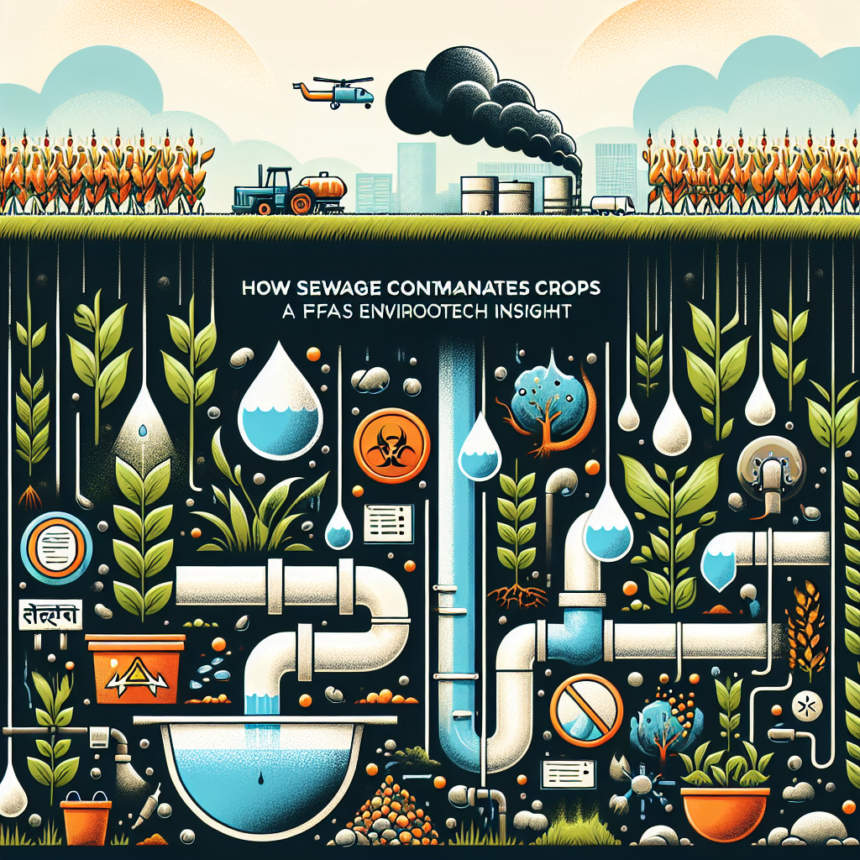
Once sewage sludge is applied to agricultural land, the PFAS it contains can start transferring to crops grown in that soil. Research has shown that certain crops can absorb PFAS through their roots, leading to these harmful chemicals being present in food meant for human consumption. Additionally, livestock raised on land treated with contaminated sludge can ingest PFAS through the grass or feed grown on that soil, perpetuating the pollution cycle. This transfer is concerning since PFAS pose potential health risks, including cancer, developmental issues, and immune system suppression.
The extent of this contamination is alarming. It is estimated that approximately 20 million acres of U.S. cropland have been exposed to PFAS due to the use of biosolids, representing about 5% of the country’s total agricultural land, but including a significant portion of its agricultural output. The presence of PFAS at this scale underscores the need for stricter regulations and more comprehensive oversight regarding the use of biosolids in agriculture.
Despite the known risks of PFAS, current regulations concerning their presence in sewage sludge are inadequate. The Environmental Protection Agency (EPA) regulates pathogens and heavy metals in biosolids, but there are no specific standards for PFAS, despite ongoing research indicating their presence in sludge applied to cropland. This regulatory gap has resulted in legal battles between affected farmers, biosolid producers, and regulatory entities like the EPA.
Farmers in states such as Texas, Michigan, and Maine have witnessed the devastating effects of PFAS contamination firsthand. In Texas, ranchers have sued companies that supplied contaminated sludge, accusing them of poisoning livestock and water sources. Meanwhile, Maine has taken decisive action by implementing a complete ban on the use of sewage sludge as fertilizer. Maine has also become the first state to systematically test farms for PFAS contamination, finding evidence of pollution on dozens of farms and potentially thousands more awaiting testing.
As awareness of PFAS contamination grows, the future of using sewage sludge as fertilizer is increasingly uncertain. While some states have begun to address this issue, the widespread use of biosolids across the country complicates the response. The challenges stemming from Maine’s ban on sludge fertilizers include where to dispose of millions of tons of sludge generated annually.
A more promising solution may lie in tackling the problem at its source—reducing or eliminating the use of PFAS in consumer and industrial products. By preventing these chemicals from entering wastewater systems, the need for costly treatment could be diminished. Meanwhile, to protect both farmers and the food supply from further contamination, stricter regulations and improved testing protocols for biosolids are essential.
In summary, the PFAS contamination issue in agriculture poses significant environmental and health risks, requiring a comprehensive reevaluation of current practices and regulations regarding the use of sewage sludge as fertilizer.


