


Main Points In Hindi (मुख्य बातें – हिंदी में)
-
ब्रिक्स राष्ट्रों की प्रमुख भूमिका: ब्राजील, रूस, भारत, चीन और दक्षिण अफ्रीका, जो ब्रिक्स के संस्थापक देश हैं, वैश्विक अनाज उत्पादन और उपभोग में महत्वपूर्ण भूमिका निभाते हैं। ये देश मुख्य अनाज जैसे चावल, गेहूं, मक्का और जौ के सबसे बड़े उत्पादक और उपभोक्ता हैं, साथ ही प्रमुख निर्यातक और आयातक भी हैं।
-
नए अनाज विनिमय की स्थापना: ब्रिक्स शिखर सम्मेलन में रूस द्वारा प्रस्तावित एक नए अनाज विनिमय की स्थापना की योजना है। यदि सफल होता है, तो यह वैश्विक अनाज व्यापार में महत्वपूर्ण बदलाव ला सकता है और सदस्यों के बीच अधिक पारदर्शिता और निष्पक्षता को बढ़ावा देगा।
-
आधुनिक चुनौतियाँ: हालांकि, ब्रिक्स देशों के पास पहले से ही अपने खुद के अनाज विनिमय हैं, जैसे भारत का मल्टी-कमोडिटी एक्सचेंज और चीन का डालियान कमोडिटी एक्सचेंज। ऐसे में नए सरल और समन्वित अनाज विनिमय को स्थापित करना तकनीकी और रणनीतिक दृष्टि से चुनौतीपूर्ण हो सकता है।
-
वैश्विक अनाज व्यापार पर प्रभाव: वर्तमान में, वैश्विक अनाज व्यापार में कीमतें मुख्य रूप से उत्तरी अमेरिका और यूरोप में निर्धारित की जाती हैं। रूस की चुनौतियों ने नए ब्रिक्स अनाज विनिमय की आवश्यकता को और अधिक बढ़ा दिया है, ताकि सदस्य देशों के बीच अपनी शर्तों पर व्यापार किया जा सके।
- नीतिगत अंतर और समन्वय की आवश्यकता: ब्रिक्स सदस्य अक्सर अपनी घरेलू अनाज नीतियों को लागू करते हैं, जिससे नए विनिमय के लिए समन्वय में कठिनाई होती है। सफलतापूर्वक कार्य करने के लिए, ब्रिक्स अनाज विनिमय को अन्य देशों की अर्थव्यवस्थाओं के साथ मिलकर कार्य करना होगा और नियामक एकरूपता की आवश्यकता है।
Main Points In English(मुख्य बातें – अंग्रेज़ी में)
Here are the main points regarding the proposed BRICS grain exchange:
-
Significance of BRICS Nations in Global Grain Economy: The five founding BRICS nations—Brazil, Russia, India, China, and South Africa—are major players in the global grain economy, being the largest producers and consumers of key grains like rice, wheat, corn, and barley. They act as both significant exporters and importers.
-
Proposal for a New Grain Exchange: At the BRICS summit, a plan was announced to establish a new grain exchange, initially proposed by Russia and supported by other BRICS members. This exchange aims to transform global grain trade dynamics.
-
Continued Challenges in International Trade: Despite their prominent position, the BRICS countries face challenges in setting up the exchange, including the dominance of exchanges in North America and Europe, which currently determine import/export prices. The lack of a Russian international grain exchange further complicates matters.
-
Goals of the Proposed Exchange: The new exchange aims to enhance transparency, establish fair trading standards, stabilize grain prices, and mitigate market speculation. It also hopes to facilitate trade in the local currencies of BRICS nations.
- Obstacles to Implementation: Each BRICS member already has its own grain exchange, which may lead to competition and fragmentation. Additional complexities arise from existing domestic policies and the need for regulatory harmonization among BRICS nations, making the successful implementation of the proposed exchange challenging.

Complete News In Hindi(पूरी खबर – हिंदी में)
पांच संस्थापक ब्रिक्स राष्ट्र – ब्राजील, रूस, भारत, चीन और दक्षिण अफ्रीका – वैश्विक अनाज अर्थव्यवस्था में एक अद्वितीय स्थान रखते हैं, जो चावल, गेहूं, मक्का और जौ जैसे मुख्य अनाज के सबसे बड़े उत्पादकों और उपभोक्ताओं में से एक हैं। ये देश न केवल प्रमुख निर्यातक बल्कि महत्वपूर्ण आयातक के रूप में भी काम करते हैं।
ब्रिक्स शिखर सम्मेलन की अंतिम घोषणा में एक नया अनाज विनिमय स्थापित करने की योजना की घोषणा की गई है, यह प्रस्ताव शुरू में रूस द्वारा पेश किया गया था और अन्य ब्रिक्स सदस्यों द्वारा इसका समर्थन किया गया था। सफल होने पर, यह एक्सचेंज वैश्विक अनाज व्यापार में एक महत्वपूर्ण बदलाव ला सकता है। लगभग छह महीने पहले, रूसी अनाज निर्यातकों के संघ (RUSGRAIN यूनियन) ने राष्ट्रपति व्लादिमीर पुतिन के सामने यह विचार प्रस्तुत किया था।
पांच संस्थापक ब्रिक्स राष्ट्र – ब्राजील, रूस, भारत, चीन और दक्षिण अफ्रीका – वैश्विक अनाज अर्थव्यवस्था में एक अद्वितीय स्थान रखते हैं, जो चावल, गेहूं, मक्का और जौ जैसे मुख्य अनाज के सबसे बड़े उत्पादकों और उपभोक्ताओं में से एक हैं। ये देश न केवल प्रमुख निर्यातक बल्कि महत्वपूर्ण आयातक के रूप में भी काम करते हैं।
उदाहरण के लिए, भारत और चीन मिलकर दुनिया के आधे से अधिक चावल का उत्पादन करते हैं, और दोनों देश सबसे बड़े चावल उपभोक्ताओं की सूची में भी शीर्ष पर हैं। चीन मक्का, सोयाबीन, गेहूं, जौ और सूरजमुखी के बीज का दुनिया का अग्रणी आयातक है, जबकि रूस गेहूं का शीर्ष वैश्विक निर्यातक है। चीन, रूस और भारत मिलकर दुनिया के गेहूं उत्पादन का 40% से अधिक हिस्सा लेते हैं। इस बीच, ब्राज़ील और दक्षिण अफ़्रीका गेहूं, मक्का और सोयाबीन के प्रमुख निर्यातक हैं।
ब्रिक्स देश अपने गठबंधन से परे अंतर्राष्ट्रीय अनाज व्यापार में भी प्रमुख खिलाड़ी हैं। उदाहरण के लिए, चीन अपने अनाज का एक महत्वपूर्ण हिस्सा – जैसे गेहूं, मक्का और सोयाबीन – ऑस्ट्रेलिया, अर्जेंटीना, यूरोपीय संघ और संयुक्त राज्य अमेरिका जैसे देशों से आयात करता है। इसके अतिरिक्त, ब्राज़ील और रूस 100 से अधिक देशों को अनाज निर्यात करते हैं। हालाँकि, उनके अनाज के आयात और निर्यात की कीमतें मुख्य रूप से उत्तरी अमेरिका और यूरोप में एक्सचेंजों द्वारा निर्धारित की जाती हैं। अग्रणी गेहूं निर्यातक के रूप में रूस की स्थिति के बावजूद, उसके पास अपने स्वयं के अंतरराष्ट्रीय अनाज विनिमय का अभाव है। चूँकि अधिकांश लेनदेन पश्चिमी एक्सचेंजों पर होते हैं, सौदे अमेरिकी डॉलर में तय होते हैं, जिसने यूक्रेन पर आक्रमण के बाद लगाए गए प्रतिबंधों के कारण रूस के लिए चुनौतियाँ पेश की हैं। इसने रूस को एक नए ब्रिक्स अनाज एक्सचेंज के निर्माण का प्रस्ताव देने के लिए प्रेरित किया है।
ब्रिक्स सदस्यों का लक्ष्य अपने स्वयं के मानकों और हेजिंग तंत्र पर निर्मित अधिक पारदर्शी और निष्पक्ष अनाज व्यापार प्रणाली को बढ़ावा देना है। नए एक्सचेंज से शुरुआत में प्रत्येक देश की मुद्रा में व्यापार की सुविधा मिलने की उम्मीद है, जो संभावित रूप से भविष्य में एकीकृत ब्रिक्स मुद्रा के लिए आधार तैयार करेगा। हालाँकि, इस एक्सचेंज को संभवतः अच्छी तरह से स्थापित अंतरराष्ट्रीय प्लेटफार्मों से प्रतिस्पर्धा का सामना करना पड़ेगा।
अंतर्राष्ट्रीय प्रकाशन वर्ल्ड ग्रेन के अनुसार, स्पष्ट सैद्धांतिक और परिचालन ढांचे की कमी के कारण इस प्रस्ताव को वर्तमान में ‘राजनीतिक अतिशयोक्ति’ माना जा सकता है। वैश्विक अनाज व्यापारियों को इस पहल से जुड़ने के लिए, अधिक स्पष्टता की आवश्यकता है, विशेष रूप से उन विशिष्ट चुनौतियों के संबंध में जिन्हें नए एक्सचेंज का समाधान करना है।
अनाज निर्यातकों के रूसी संघ ने पहली बार दिसंबर 2023 में ब्रिक्स अनाज विनिमय का प्रस्ताव रखा और मार्च 2024 में इसे औपचारिक रूप से राष्ट्रपति पुतिन के सामने प्रस्तुत किया। रूस ने आधिकारिक तौर पर 28 जून, 2024 को मास्को में आयोजित 14वीं ब्रिक्स कृषि मंत्रियों की बैठक में इस विचार को उठाया। एक्सचेंज के प्रस्तावित उद्देश्यों में कृषि उत्पादों की आपूर्ति और मांग को संतुलित करना, वर्तमान आपूर्ति श्रृंखलाओं को सुरक्षित करना, ब्रिक्स के भीतर खाद्य सुरक्षा को बढ़ाना, अनाज की कीमतों को स्थिर करना और बाजार की अटकलों को कम करना शामिल है।
बहरहाल, महत्वपूर्ण चुनौतियाँ बनी हुई हैं। रूस को छोड़कर प्रत्येक ब्रिक्स सदस्य के पास पहले से ही अपना स्वयं का अनाज विनिमय है। उदाहरण के लिए, भारत मल्टी-कमोडिटी एक्सचेंज संचालित करता है; ब्राज़ील, मर्केंटाइल और फ़्यूचर्स एक्सचेंज; चीन, डालियान कमोडिटी एक्सचेंज; और दक्षिण अफ्रीका, जोहान्सबर्ग स्टॉक एक्सचेंज के तहत वायदा एक्सचेंज। तकनीकी और रणनीतिक रूप से, ये एक्सचेंज कृषि डेरिवेटिव व्यापार में रूस की तुलना में अधिक उन्नत हैं।
ब्रिक्स देश घरेलू अनाज भंडार के प्रबंधन और कीमतों को नियंत्रित करने के लिए अक्सर नीतियां लागू करते हैं। उदाहरण के लिए, चीन का बाज़ार रूसी गेहूं और कुछ अन्य आयातित अनाजों के लिए आंशिक रूप से बंद है। भारत अक्सर चावल और गेहूं के निर्यात पर प्रतिबंध लगाता है, जबकि रूस गेहूं, मक्का और जौ पर निर्यात शुल्क लगाता है। इसके अतिरिक्त, कमोडिटी एक्सचेंजों और डेरिवेटिव बाजारों के संबंध में ब्रिक्स देशों में नियामक एकरूपता का अभाव है। समन्वय के बिना, इस नए आदान-प्रदान को लागू करना अत्यधिक जटिल हो सकता है। ब्रिक्स अनाज विनिमय के सफल होने के लिए, दोनों सदस्य अर्थव्यवस्थाओं और बाहरी बाजारों के साथ एकीकरण महत्वपूर्ण होगा।
Complete News In English(पूरी खबर – अंग्रेज़ी में)
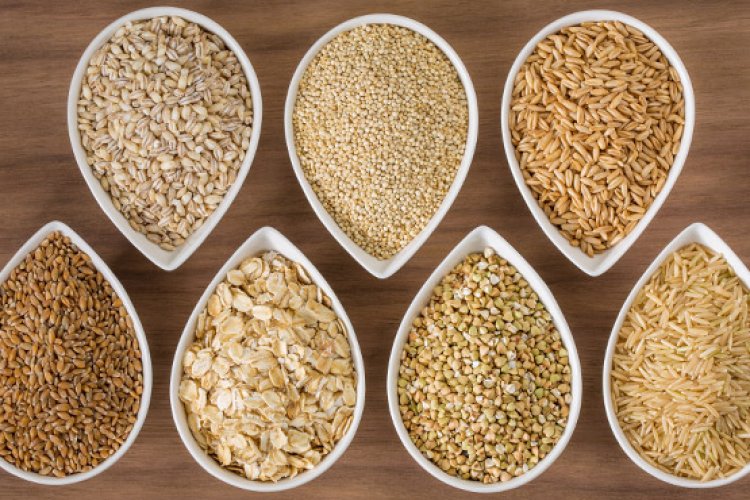
The five founding BRICS nations—Brazil, Russia, India, China, and South Africa—hold a unique position in the global grain economy, being among the largest producers and consumers of key grains such as rice, wheat, corn, and barley. These countries not only export significant quantities but also import large amounts of grain.
A new grain exchange has been proposed during the recent BRICS summit, originally suggested by Russia and supported by other BRICS members. If successful, this exchange could bring about a major shift in global grain trade. This idea was presented to President Vladimir Putin by the Russian Grain Exporters Union (RUSGRAIN) about six months ago.
As mentioned, BRICS nations are influential in the global grain economy, producing and consuming a substantial share of the world’s grains. For instance, India and China together produce over half of the world’s rice and rank among the top consumers of rice. China leads in importing corn, soybeans, wheat, barley, and sunflower seeds, while Russia is the world’s top exporter of wheat. Combined, China, Russia, and India account for over 40% of global wheat production. Additionally, Brazil and South Africa are significant exporters of wheat, corn, and soybeans.
The BRICS countries also play a major role in international grain trade beyond their coalition. For example, China imports a significant portion of its grain, such as wheat and corn, from countries like Australia, Argentina, the European Union, and the United States. Furthermore, Brazil and Russia export grain to over 100 countries. However, the prices for their grain imports and exports are largely determined by exchanges in North America and Europe. Despite Russia’s position as a leading wheat exporter, it lacks its own international grain exchange. Most transactions occur on Western exchanges, with deals settled in U.S. dollars, posing challenges for Russia due to restrictions imposed after its invasion of Ukraine. This situation has prompted Russia to propose the establishment of a new BRICS grain exchange.
The goal of BRICS members is to create a more transparent and fair grain trading system based on their own standards and hedging mechanisms. Initially, the new exchange is expected to facilitate trade in each country’s currency, potentially laying the groundwork for a unified BRICS currency in the future. However, this exchange may face competition from well-established international platforms.
According to the international publication World Grain, the proposal is currently seen as ‘political exaggeration’ due to the lack of a clear theoretical and operational framework. For global grain traders to engage with this initiative, more clarity is needed, especially regarding the specific challenges the new exchange aims to address.
The idea of a BRICS grain exchange was first proposed by RUSGRAIN in December 2023 and formally presented to President Putin in March 2024. Russia officially brought this idea to the forefront during the 14th BRICS Agriculture Ministers’ meeting held in Moscow on June 28, 2024. Proposed goals for the exchange include balancing supply and demand for agricultural products, securing current supply chains, enhancing food security within BRICS, stabilizing grain prices, and reducing market speculation.
However, significant challenges remain. All BRICS members, except Russia, already have their own grain exchanges. For instance, India operates a multi-commodity exchange; Brazil has a mercantile and futures exchange; China has the Dalian Commodity Exchange; and South Africa has a futures exchange under the Johannesburg Stock Exchange. These exchanges are more advanced in agricultural derivative trading than Russia’s.
BRICS nations often implement policies to manage domestic grain stocks and control prices. For example, China partially restricts its market for Russian wheat and certain other imported grains. India frequently imposes bans on rice and wheat exports, while Russia charges export duties on wheat, corn, and barley. Additionally, there is a lack of regulatory uniformity among BRICS countries regarding commodity exchanges and derivative markets. Without coordination, implementing this new exchange could be extremely complicated. For the BRICS grain exchange to succeed, integration with both local economies and external markets will be crucial.