


Main Points In Hindi (मुख्य बातें – हिंदी में)
-
हरियाणा विधानसभा चुनाव में भाजपा की जीत: भाजपा ने हरियाणा विधानसभा चुनाव में 90 में से 48 सीटें जीतकर कांग्रेस को हराया, जो कि सीएग्जिट पोल के पूर्वानुमानों के विपरीत थी। इस चुनाव में किसानों के विरोध प्रदर्शनों के मुद्दे को महत्वपूर्ण माना गया था।
-
कृषि प्रणाली में परिवर्तन: भारत की कृषि व्यवस्था में पिछले कुछ दशकों में बदलाव आया है, जिसमें हरित क्रांति, तकनीकी प्रगति और प्रसंस्कृत खाद्य पदार्थों का तेजी से प्रसार शामिल है। यह क्षेत्र अब एक जटिल प्रणाली के रूप में कार्य कर रहा है जिसमें विभिन्न हितधारक और तत्व शामिल हैं।
-
राजनीतिक दलों की चुनौतियाँ: विपक्षी दलों ने किसानों के प्रदर्शन को राजनीतिक रूप से भुनाने की कोशिश की, लेकिन वे विभिन्न जातियों और हितधारकों के साथ उचित विचार-विमर्श करने में असफल रहे। इससे भाजपा की ‘जाट बनाम अन्य जाति’ की कथा को बल मिला।
-
संविधानिक दृष्टिकोण की आवश्यकता: राजनीतिक दलों को कृषि प्रणाली के बदलते ढांचे को पहचानना चाहिए और एक प्रणालीगत दृष्टिकोण अपनाते हुए किसानों और अन्य हितधारकों के बीच सहयोग को बढ़ावा देना चाहिए, बजाय इसके कि वे इसे एक भावनात्मक मुद्दे के रूप में देखें।
- समावेशिता और संवाद की आवश्यकता: किसानों के मुद्दे को केवल ‘किसान बनाम व्यापारी’ की बहस में सीमित नहीं करना चाहिए। राजनीतिक दलों को किसानों के कल्याण के साथ-साथ अन्य अभिनेताओं की क्षमताओं को बढ़ावा देने की दिशा में कार्य करने की आवश्यकता है।
Main Points In English(मुख्य बातें – अंग्रेज़ी में)
Here are the main points derived from the provided text:
-
Election Outcomes vs. Protests: Contrary to exit poll predictions, the Bharatiya Janata Party (BJP) won 48 out of 90 seats in the Haryana Assembly elections, defeating the Congress. This victory came despite significant farmer protests against controversial agricultural laws during the election period.
-
Political Complexities: The political dynamics in Haryana and Western Uttar Pradesh, traditionally influenced by farmers, have evolved significantly. Various stakeholders, including logistics providers and retailers, now play crucial roles in the agriculture system, complicating traditional farmer-trader relationships.
-
Representation Issues: The existing political representation related to farmer protests has not encompassed the complexities of the agricultural system, often being tied to caste identity. This has resulted in a political narrative that emphasizes division rather than collaboration among different agricultural stakeholders.
-
Need for Inclusive Politics: As the agricultural landscape in India changes, political parties must adopt a holistic approach by engaging with all stakeholders, not just farmers from specific communities. Recognizing and addressing the complexities within the agricultural system can lead to better political strategies and responses.
- Call for Policy Reform: There is a pressing need for political parties to shift their focus from emotional narratives surrounding agriculture to systematic policy interventions aimed at ensuring farmer welfare and enhancing the capacities of other stakeholders involved in the agricultural sector.

Complete News In Hindi(पूरी खबर – हिंदी में)
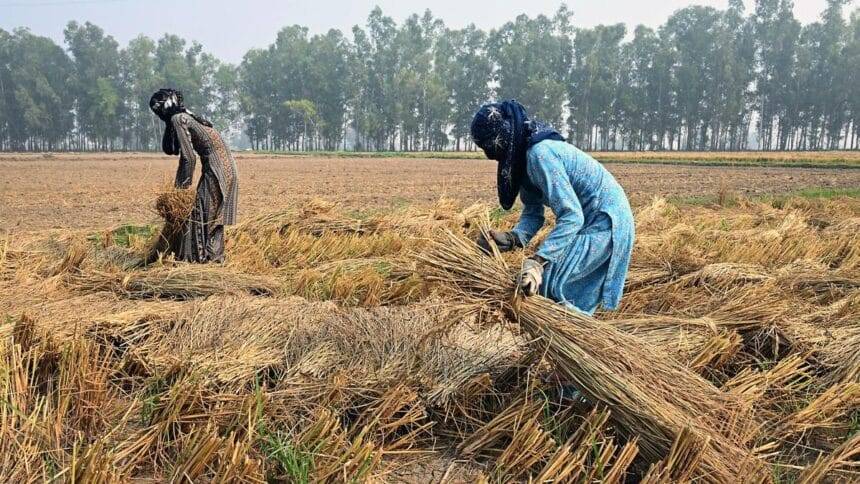
हरियाणा के पानीपत में धान के खेत में धान की फसल काटते किसान। | फोटो साभार: ब्लूमबर्ग
सीएग्जिट पोल के पूर्वानुमानों के विपरीत, भारतीय जनता पार्टी (भाजपा) ने हरियाणा विधानसभा चुनाव में 90 में से 48 सीटें जीतकर कांग्रेस को हरा दिया। हरियाणा पंजाब और पश्चिमी उत्तर प्रदेश से सटा हुआ है और किसानों के विरोध प्रदर्शन के प्रमुख स्थानों में से एक था। ये विरोध प्रदर्शन विधानसभा चुनाव के दौरान मुख्य मुद्दों में से एक थे. कांग्रेस और अन्य विपक्षी दलों को भरोसा था कि भारत के कृषि क्षेत्र को उदार बनाने के उद्देश्य से तीन विवादास्पद कृषि कानूनों के खिलाफ किसानों का विरोध, जिन्हें बाद में निरस्त कर दिया गया था, और उनकी मांग थी कि सभी फसलों के लिए न्यूनतम समर्थन मूल्य के लिए कानूनी आश्वासन प्रदान किया जाएगा। उनके पक्ष में वोट करें.
हालाँकि, ऐसा नहीं हुआ. हरियाणा में बीजेपी लगातार तीसरी बार सत्ता में लौटी. 2022 के विधानसभा चुनावों में यूपी के पश्चिमी हिस्से, किसानों के विरोध के एक अन्य प्रमुख स्थान, में भी पार्टी का प्रदर्शन आश्चर्यजनक रूप से अच्छा था। बाधाओं के बावजूद, भाजपा 2024 के संसदीय चुनावों में भी पश्चिमी यूपी की 126 विधानसभा सीटों में से 85 सीटें हासिल करने में सफल रही, जबकि भाजपा ने यूपी में महत्वपूर्ण संख्या में सीटें खो दीं, उसने इस क्षेत्र में अपेक्षाकृत अच्छा प्रदर्शन किया और 13 सीटें हासिल कीं। 26 सीटें. इससे पता चलता है कि विपक्षी दलों को किसानों के विरोध प्रदर्शन से कोई फायदा नहीं मिल सका। हालाँकि भाजपा की “आश्चर्यजनक जीत” के लिए कई राजनीतिक स्पष्टीकरण दिए गए हैं, लेकिन भारत जैसी उभरती अर्थव्यवस्थाओं में कृषि प्रणालियों की जटिलताओं और जाति की कठोर वास्तविकताओं के साथ उनके उलझाव से अवगत एक स्पष्टीकरण गायब है।
एक जटिल प्रणाली
भारत की कृषि व्यवस्था परिवर्तन के दौर से गुजर रही है। पिछले कुछ दशकों में हरियाणा और पश्चिमी यूपी में कृषि-खाद्य क्षेत्रों का विन्यास कई मायनों में बदल गया है। ये परिवर्तन हरित क्रांति के साथ शुरू हुए और भारतीय अर्थव्यवस्था के उदारीकरण, तकनीकी प्रगति और प्रसंस्कृत भोजन के तेजी से प्रसार के कारण तेज हो गए। परिणामस्वरूप, इन क्षेत्रों में अब कृषि का चलन नहीं रह गया है; यह एक जटिल प्रणाली के रूप में कार्य करता है। विभिन्न वस्तुओं, हितधारकों, प्रथाओं, प्रौद्योगिकियों, मूल्य श्रृंखलाओं, नीतियों और संस्थानों सहित कई तत्व इस प्रणाली का गठन करते हैं।
इस जटिल व्यवस्था में परंपरागत रूप से राजनीतिक शक्ति रखने वाले किसानों और आर्थिक शक्ति रखने वाले व्यापारियों की भूमिका के साथ-साथ उनके बीच संबंध भी बदल रहे हैं। व्यापारियों के साथ-साथ, आर्थिक शक्ति का एक महत्वपूर्ण हिस्सा अब लॉजिस्टिक्स, ट्रांसपोर्टरों, प्रोसेसर, खुदरा विक्रेताओं आदि के आपूर्तिकर्ताओं के पास है, जिनका किसानों के साथ टकराव वाला रिश्ता नहीं हो सकता है, जैसा कि आम तौर पर किसानों के साथ संबंधों के मामले में माना जाता है। व्यापारी. प्रमुख जातियों के कृषि फार्म अब निचली जाति के श्रमिकों के लिए रोजगार पैदा करने वाले एकमात्र स्थल नहीं रह गए हैं। लॉजिस्टिक्स आपूर्तिकर्ताओं, ट्रांसपोर्टरों, प्रोसेसरों और खुदरा विक्रेताओं, जो मुख्य रूप से हिंदू और पंजाबी बनिया समुदाय से हैं, द्वारा उत्पन्न रोजगार ने पारंपरिक श्रम संबंधों को बदल दिया है। कृषि-खाद्य मूल्य श्रृंखला को कार्यात्मक बनाए रखने में उनकी महत्वपूर्ण भूमिका को कोई भी नजरअंदाज नहीं कर सकता है।
हालाँकि, किसानों के विरोध के राजनीतिक प्रतिनिधित्व ने भारत की कृषि प्रणाली में इस जटिलता और चल रहे मंथन पर कब्जा नहीं किया। विभिन्न हितधारकों के साथ राजनीतिक दलों का जुड़ाव अक्सर उनकी जातिगत पहचान से प्रभावित होता है। विपक्ष ज्यादातर किसानों के साथ उलझा रहा, जो मुख्य रूप से जाट समुदाय से हैं, और विभिन्न जातियों से संबंधित अन्य हितधारकों के साथ पर्याप्त विचार-विमर्श नहीं किया। इससे इन हितधारकों में चिंता फैल गई और भाजपा की ‘जाट बनाम अन्य जाति’ कथा के लिए एक मजबूत आधार तैयार हुआ। यह आख्यान ग्रामीण (किसान) और शहरी (गैर-किसान) विभाजन को भी पूरक करता है जो आमतौर पर भाजपा को लाभ पहुंचाता है।
अन्य हितधारकों को शामिल करना
यद्यपि भारत में कृषि क्षेत्र का बुनियादी विन्यास बदल रहा है, फिर भी भारत एक कृषि प्रधान देश है। समाज का एक महत्वपूर्ण वर्ग आज भी कृषि और संबद्ध गतिविधियों पर निर्भर है। इसका मतलब यह है कि जहां किसानों को सुरक्षा की जरूरत है, वहीं राजनीतिक दलों को सिस्टम में अन्य हितधारकों के साथ सार्थक रूप से जुड़कर एक प्रणालीगत दृष्टिकोण अपनाने की जरूरत है। हमें न केवल व्यवसाय और नीति में, बल्कि राजनीतिक अभियान और रणनीति में भी, कृषि प्रणाली जिस परिवर्तन का अनुभव कर रही है और इस परिवर्तन में विभिन्न अभिनेताओं के योगदान को पहचानने की आवश्यकता है।
कृषि और खाद्य प्रसंस्करण में विश्व चैंपियन नीदरलैंड जैसे विकसित देशों में भी किसानों के मुद्दे राजनीति के केंद्र में हैं। इन देशों में दृष्टिकोण एक को दूसरे के खिलाफ खड़ा करने के बजाय शामिल हितधारकों की क्षमता बढ़ाने के साथ-साथ उनके बीच सीखने का है। किसानों के कल्याण पर चर्चा को एक द्विआधारी की ओर नहीं ले जाना चाहिए जहां प्रथागत ‘किसान बनाम व्यापारी’ की कहानी बहस से आगे निकल जाए। दुर्भाग्य से भारतीय राजनीति में, इन विभिन्न हितधारकों की जातिगत पहचान के कारण, ‘अच्छे’ और ‘बुरे’ का यह द्विआधारी और भी अधिक कठोर होता जा रहा है। कृषि प्रणालियों में लगे सभी गैर-कृषि हितधारक निजी साहूकार नहीं हैं, जैसा कि लोकप्रिय धारणा है।
अब समय आ गया है कि भारत के राजनीतिक दल कृषि प्रणालियों में हो रहे इन गुणात्मक परिवर्तनों को पहचानें। उन्हें राजनीतिक लाभ के लिए कृषि को एक भावनात्मक मुद्दा मानने के बजाय नीतिगत हस्तक्षेप के माध्यम से किसानों की सुरक्षा और अन्य हितधारकों की क्षमताओं को बढ़ाने पर बहस का नेतृत्व करना चाहिए।
प्रकाशित – 04 नवंबर, 2024 12:15 पूर्वाह्न IST
Complete News In English(पूरी खबर – अंग्रेज़ी में)
Farmers cutting rice in a paddy field in Panipat, Haryana. | Photo credit: Bloomberg
Contrary to exit poll predictions, the Bharatiya Janata Party (BJP) won 48 out of 90 seats in the Haryana Assembly elections, defeating the Congress party. Haryana, located near Punjab and Western Uttar Pradesh, was a key site for farmers’ protests, which became a major issue during the elections. The Congress and other opposition parties believed that the farmers’ protests against three controversial agricultural laws, which were later repealed, would work in their favor by pushing for legal guarantees of minimum support prices for crops.
However, that did not happen. The BJP returned to power for the third consecutive time in Haryana. Surprisingly, the party also performed well in the Western region of Uttar Pradesh during the 2022 Assembly elections, another hotspot for farmers’ protests. Despite losing significant seats in Uttar Pradesh, the BJP managed to secure 13 out of 26 seats in that region, indicating that the opposition parties did not benefit from the farmers’ protests. Although various political explanations have been offered for the BJP’s “stunning win,” there is a lack of understanding regarding the complexities of agricultural systems and caste realities in emerging economies like India.
A Complex System
India’s agricultural system is undergoing significant changes. Over the past few decades, the agricultural and food sectors in Haryana and Western Uttar Pradesh have transformed in various ways. These changes were sparked by the Green Revolution and accelerated by economic liberalization, technological advancements, and the rapid spread of processed foods. As a result, agriculture in these regions is no longer a simple activity; it has evolved into a complex system involving various products, stakeholders, practices, technologies, value chains, policies, and institutions.
Within this complex framework, the roles and relationships between traditionally powerful farmers and economically influential traders are also shifting. A significant portion of economic power now lies with suppliers of logistics, transporters, processors, retailers, and others, who may not have adversarial relationships with farmers as commonly perceived. Major agricultural farms are no longer the sole sources of employment for lower caste workers. Job opportunities created by logistics suppliers, transporters, processors, and retailers, primarily from the Hindu Punjabi Bania community, have altered traditional labor dynamics, and their critical role in maintaining the agricultural food value chain cannot be overlooked.
However, the political representation of farmers’ protests has not captured this complexity or ongoing turbulence within India’s agricultural system. Political parties’ engagements with various stakeholders are often influenced by caste identities. The opposition primarily focused on farmers from the Jat community, neglecting substantial discussions with stakeholders from other castes. This led to unease among these stakeholders and laid a strong foundation for the BJP’s narrative of ‘Jat versus other castes,’ which also complements the rural (farmers) versus urban (non-farmers) divide that often benefits the BJP.
Including Other Stakeholders
Even though the fundamental structure of the agricultural sector in India is changing, the country remains agriculture-dependent. A significant part of society still relies on farming and related activities. This means that while farmers need protections, political parties must meaningfully engage with other stakeholders in the system and adopt a systemic approach. There is a need to recognize the changes in the agricultural system and the contributions of various actors in not just business and policy but also in political campaigns and strategies.
In developed countries like the Netherlands, known for their global leadership in agriculture and food processing, farmers’ issues are central to politics. Their approach enhances the capacity of involved stakeholders and promotes mutual learning rather than pitting one side against the other. Discussions about farmers’ welfare should not lead to a binary narrative where the traditional ‘farmers versus traders’ story overshadows other important issues. Unfortunately, due to caste identities in Indian politics, this dichotomy has become even more pronounced, dividing stakeholders into ‘good’ and ‘bad.’ Not all non-farmer stakeholders in agricultural systems are exploitative moneylenders, which is a common misconception.
It is time for India’s political parties to recognize these qualitative changes in agricultural systems. Instead of treating agriculture as an emotional issue for political gain, they should lead discussions aimed at enhancing the security of farmers and the capacities of other stakeholders through policy interventions.
Published – November 4, 2024 12:15 AM IST