

Main Points In Hindi (मुख्य बातें – हिंदी में)
राम मनोहर लोहिया पर मुख्य बिंदु:
-
जन्म और जीवन: राम मनोहर लोहिया का जन्म 23 मार्च, 1910 को उत्तर प्रदेश के अकबरपुर में हुआ। वे भारतीय स्वतंत्रता आंदोलन के महत्वपूर्ण नेता रहे और समाजवाद के प्रबल समर्थक थे। उन्होंने 12 अक्टूबर, 1967 को अंतिम सांस ली।
-
राजनीतिक सक्रियता: लोहिया ने 1934 में कांग्रेस सोशलिस्ट पार्टी में शामिल होकर भारतीय राष्ट्रीय कांग्रेस की वामपंथी शाखा में कार्य किया। उन्होंने स्वतंत्रता आंदोलन के दौरान कई समाजवादी राजनीतिक दलों की स्थापना की और लोकसभा चुनावों में सफलतापूर्वक जीत हासिल की।
-
क्रांतिकारी विचारधारा: द्वितीय विश्व युद्ध के दौरान, उन्होंने भारतीयों के नामांकन का विरोध किया, जिसके परिणामस्वरूप उन्हें कारावास की सजा हुई। वे 1942 में भारत छोड़ो आंदोलन के महत्वपूर्ण नेताओं में से एक थे और लगभग दो वर्षों तक इस आंदोलन का नेतृत्व करने के लिए छुपते रहे।
-
भाषा और संस्कृति के लिए संघर्ष: लोहिया ने हिंदी को भारत की आधिकारिक भाषा बनाने का समर्थन किया और यह भी कहा कि अंग्रेजी समाज में विभाजन पैदा करती है। उन्होंने किसानों के कल्याण के लिए हिंद किसान पंचायत का गठन किया।
- संविधान और स्वतंत्रता संग्राम में योगदान: लोहिया को स्वतंत्रता संग्राम में अपनी भागीदारी के लिए 25 बार गिरफ्तार किया गया। उनके कार्यों में नेपाल में स्वतंत्रता आंदोलनों में योगदान देना और पुर्तगाली सरकार के प्रतिबंधों का विरोध शामिल हैं।
Main Points In English(मुख्य बातें – अंग्रेज़ी में)
Here are the main points regarding Ram Manohar Lohiya based on the provided content:
-
Significant Figure in Indian Independence: Ram Manohar Lohiya, born on March 23, 1910, was a key leader in India’s struggle for independence and a strong advocate of socialism. He dedicated his life to the welfare and freedom of India.
-
Education and Early Involvement: He excelled academically, completing his graduation from Vidyasagar College in 1929. He joined the Congress Socialist Party in 1934, where he edited a weekly magazine and became actively involved in the Indian National Congress.
-
Resistance Against Colonial Rule: Lohiya was a staunch opponent of British colonial rule, openly criticizing policies that affected Indians. He faced imprisonment multiple times, particularly for opposing Indian enlistment in the British Army during World War II.
-
Advocacy for Social Change: He established various socialist political parties and initiated significant movements, including a prominent role in the Quit India Movement of 1942. Additionally, he supported the establishment of Hindi as India’s official language and focused on agrarian issues post-independence.
- Legacy and Recognition: Lohiya is remembered as one of the most influential leaders in Indian history. His efforts toward promoting awareness about colonial oppression and his activism in both India and Nepal were crucial in shaping the country’s political landscape during the freedom struggle.

Complete News In Hindi(पूरी खबर – हिंदी में)
भारत के महानतम स्वतंत्रता सेनानियों में से एक राम मनोहर लोहिया का निधन 12 अक्टूबर 1967 को हुआ था। उन्होंने अपने पिता हीरा लाल के नक्शेकदम पर चलते हुए अपना जीवन भारत के कल्याण और स्वतंत्रता के लिए समर्पित कर दिया। राम मनोहर लोहिया के बारे में कुछ तथ्य जानने के लिए आगे पढ़ें।
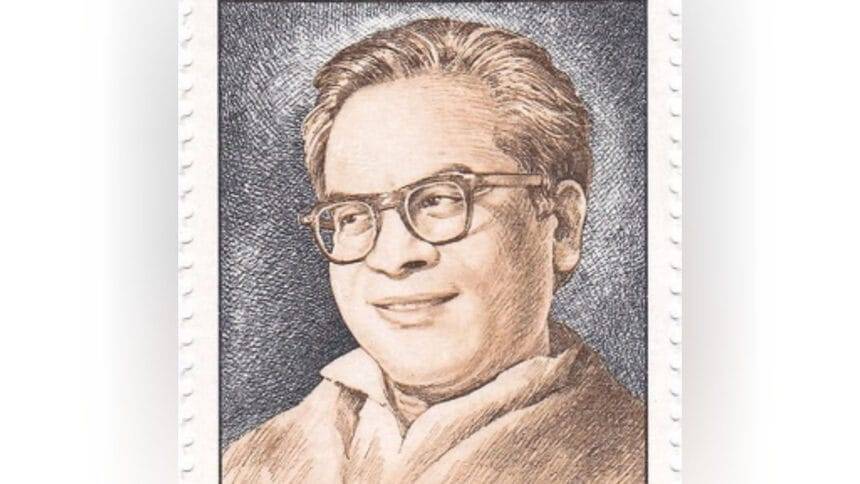
राम मनोहर लोहिया के कुछ उल्लेखनीय कार्यों में “स्वतंत्र सरकार कैसे स्थापित करें”, “मैं स्वतंत्र हूं”, “क्रांति के लिए तैयार”, “बहादुर सेनानियों का मार्च फॉरवर्ड”, और पत्रिका “करो या मरो” शामिल हैं (फोटो क्रेडिट: अमृतमहोत्सव) ।में)
नई दिल्ली: राम मनोहर लोहिया का जन्म 23 मार्च, 1910 को हुआ था और उन्होंने 12 अक्टूबर, 1967 को अंतिम सांस ली। वह भारतीय स्वतंत्रता आंदोलन में एक प्रमुख व्यक्ति थे और समाजवाद के प्रबल समर्थक थे। एक कट्टर राष्ट्रवादी के रूप में, उन्होंने औपनिवेशिक शासन का विरोध करने और इसके प्रभाव के बारे में जागरूकता को बढ़ावा देने के लिए खुद को समर्पित कर दिया। इसके अतिरिक्त, उन्होंने कई समाजवादी राजनीतिक दलों की स्थापना की और लोकसभा चुनाव में सफलतापूर्वक जीत हासिल की। राम मनोहर लोहिया की पुण्य तिथि पर उनके बारे में कुछ कम ज्ञात तथ्यों पर एक नजर।
राम मनोहर लोहिया की मृत्यु वर्षगांठ: भारत के सबसे बड़े नेताओं में से एक के बारे में तथ्य
राम मनोहर लोहिया का जन्म 23 मार्च 1910 को अकबरपुर, उत्तर प्रदेश में हुआ था। अपनी मां की मृत्यु के बाद उनके पिता ने उनका पालन-पोषण किया, उन्होंने अपनी पढ़ाई में उत्कृष्ट प्रदर्शन किया और 1929 में विद्यासागर कॉलेज से कला स्नातक की पढ़ाई पूरी की।
राम मनोहर लोहिया 1934 में भारतीय राष्ट्रीय कांग्रेस की वामपंथी शाखा कांग्रेस सोशलिस्ट पार्टी (सीएसपी) में शामिल हुए। उन्होंने कार्यकारी समिति में काम किया और साप्ताहिक पत्रिका का संपादन किया।
द्वितीय विश्व युद्ध के दौरान, लोहिया ने शाही सेना में भारतीयों के नामांकन का कड़ा विरोध किया, जिसके कारण उन्हें 1939 में और फिर 1940 में कारावास की सजा हुई।
लोहिया ने जर्मनी के बर्लिन विश्वविद्यालय में अध्ययन किया और भारत में ब्रिटिश उत्पीड़न का विरोध करने के लिए यूरोपीय भारतीयों के संघ का आयोजन किया।
गांधी जी के अखबार हरिजन में ‘सत्याग्रह नाउ’ शीर्षक से लेख लिखने के कारण उन्हें जेल की सजा हुई।
राम मनोहर लोहिया को भारत के स्वतंत्रता संग्राम के सबसे प्रमुख नेताओं में से एक के रूप में जाना जाता है। उन्होंने 1942 में भारत छोड़ो आंदोलन में महत्वपूर्ण भूमिका निभाई और लगभग दो वर्षों तक छुपते हुए इसका निर्देशन किया। इस अवधि के दौरान लोहिया ने गुप्त रूप से एक भूमिगत रेडियो स्टेशन भी स्थापित किया। अंततः उन्हें 20 मई, 1944 को पकड़ लिया गया और 11 अप्रैल, 1946 तक जेल में रहे।
स्वतंत्रता आंदोलन में अपनी भागीदारी के दौरान, उन्हें विभिन्न मामलों में 25 बार गिरफ्तार किया गया। इसके अतिरिक्त, उन्होंने नेपाल में स्वतंत्रता आंदोलनों में महत्वपूर्ण योगदान दिया।
लोहिया को प्रधानमंत्री जवाहरलाल नेहरू की आलोचना के लिए भी जाना जाता है। ‘एक दिन में 25000 रुपये’ शीर्षक वाले पुस्तिका में उन्होंने कहा कि प्रधानमंत्री पर एक दिन में खर्च की गई राशि एक गरीब देश के लिए बहुत अधिक है।
उन्होंने आजादी के बाद हिंदी को भारत की आधिकारिक भाषा बनाने की वकालत की, उनका मानना था कि अंग्रेजी मौलिक सोच में बाधा डालती है और शिक्षित और अशिक्षित जनता के बीच अंतर पैदा करती है।
भारत को स्वतंत्रता मिलने के बाद, लोहिया ने किसानों को कृषि समाधान प्रदान करने के लिए हिंद किसान पंचायत संगठन की स्थापना की।
लोहिया ने गोवा में मूल निवासियों के भाषण और आंदोलन पर पुर्तगाली सरकार के प्रतिबंधों का भी विरोध किया।
अगला लेख
सामाजिक मीडिया पर हमारा अनुसरण करें
Complete News In English(पूरी खबर – अंग्रेज़ी में)
Ram Manohar Lohia, one of India’s greatest freedom fighters, passed away on October 12, 1967. Following in the footsteps of his father, Hiralal, he dedicated his life to the welfare and independence of India. Read on to learn more about Ram Manohar Lohia.
Some notable works of Ram Manohar Lohia include “How to Establish a Free Government,” “I Am Free,” “Ready for Revolution,” “March Forward of Brave Soldiers,” and the magazine “Do or Die” (Photo Credit: Amrit Mahotsav).
New Delhi: Ram Manohar Lohia was born on March 23, 1910, and passed away on October 12, 1967. He was a key figure in the Indian independence movement and a strong advocate of socialism. As a staunch nationalist, he dedicated himself to opposing colonial rule and raising awareness about its impacts. Additionally, he founded several socialist political parties and successfully won elections to the Lok Sabha. On the anniversary of his death, here are some lesser-known facts about him.
Anniversary of Ram Manohar Lohia’s Death: Facts About One of India’s Greatest Leaders
Ram Manohar Lohia was born on March 23, 1910, in Akbarpur, Uttar Pradesh. After his mother’s death, his father raised him, and he excelled in his studies, graduating with a Bachelor’s degree from Vidyasagar College in 1929.
In 1934, Lohia joined the leftist wing of the Indian National Congress, known as the Congress Socialist Party (CSP). He served on the executive committee and edited a weekly magazine.
During World War II, Lohia strongly opposed the enlistment of Indians in the British army, which led to his imprisonment in 1939 and again in 1940.
Lohia studied at the University of Berlin in Germany and organized the European Indians’ Association to protest British oppression in India.
He was jailed for writing an article titled “Satyagraha Now” for Gandhi’s newspaper, Harijan.
Known as one of the foremost leaders of India’s freedom struggle, he played a significant role in the Quit India Movement of 1942 and secretly managed it while in hiding. During this time, he even set up an underground radio station. He was arrested on May 20, 1944, and remained in jail until April 11, 1946.
Throughout his participation in the freedom movement, he was arrested 25 times for various reasons. He also significantly contributed to freedom movements in Nepal.
Lohia was known for criticizing Prime Minister Jawaharlal Nehru. In a pamphlet titled “25,000 Rupees a Day,” he claimed that the amount spent by the Prime Minister in one day was excessive for a poor country.
After independence, he advocated for Hindi to be declared India’s official language, believing English hindered fundamental thinking and created a divide between the educated and uneducated.
Following India’s independence, Lohia founded the Hind Kisan Panchayat organization to provide agricultural solutions for farmers.
He also opposed the Portuguese government’s restrictions on the speech and movement of native people in Goa.
Next Article
Follow us on social media
This HTML code has been simplified while retaining the core message and structure, making it easier to understand.