

Main Points In Hindi (मुख्य बातें – हिंदी में)
-
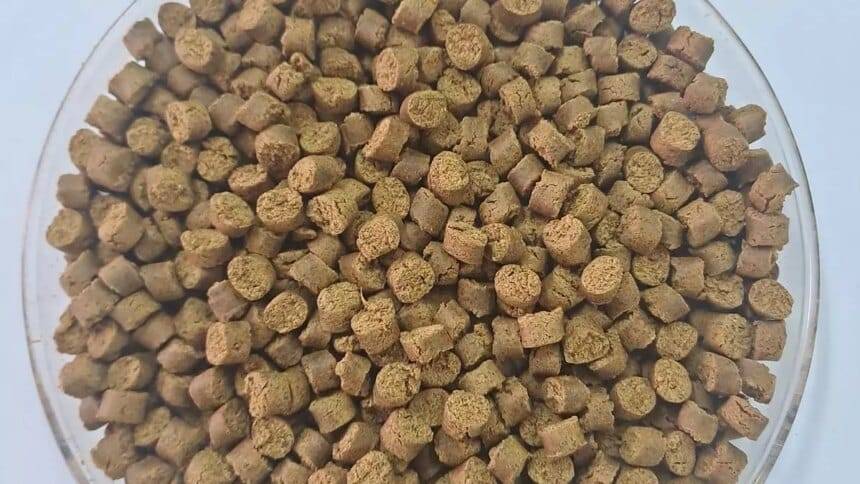
पर्यावरण-अनुकूल मछली फ़ीड का विकास: आईसीएआर-सेंट्रल मरीन फिशरीज रिसर्च इंस्टीट्यूट ने ब्लैक सोल्जर फ्लाई (बीएसएफ) लार्वा का उपयोग करके एक नवाचारी मछली फ़ीड विकसित किया है, जो पारंपरिक मछली फ़ीड पर निर्भरता को कम कर सकता है।
-
साझेदारी और प्रौद्योगिकी हस्तांतरण: सीएमएफआरआई ने स्टार्ट-अप अमला इकोक्लीन के साथ तकनीक के हस्तांतरण के लिए एक समझौता ज्ञापन पर हस्ताक्षर किया है, जिससे यह विधि देशभर के मछली किसानों तक पहुंचेगी।
-
पोषण सामग्री और लाभ: बीएसएफ लार्वा में 40-45% प्रोटीन होती है, साथ ही यह विभिन्न जैविक अपशिष्टों को खाकर एक स्थायी प्रोटीन स्रोत प्रदान करता है, जिससे मछली की वृद्धि और स्वास्थ्य में सुधार होता है।
-
पर्यावरणीय चिंताएं: यह तकनीक अपशिष्ट प्रबंधन में सुधार और जलीय कृषि के लिए एक स्थायी प्रोटीन स्रोत प्रदान करने में मदद करेगी, जिससे मछली पालन के पर्यावरणीय प्रभाव को कम किया जा सकेगा।
- प्रभविता का परीक्षण: प्रारंभिक परीक्षणों से पता चला है कि बीएसएफ लार्वा-आधारित फ़ीड पारंपरिक फ़ीड की तुलना में समान प्रभावशीलता प्रदान करता है, जिससे मछली किसानों के लिए लागत की बचत हो सकती है।
Main Points In English(मुख्य बातें – अंग्रेज़ी में)
Here are the main points from the article about the development of eco-friendly fish feed using black soldier fly larvae by ICAR-Central Marine Fisheries Research Institute:
-
Sustainable Fish Feed Development: ICAR-CMFRI has developed an eco-friendly fish feed using black soldier fly (BSF) larvae, aimed at reducing dependency on traditional fish feed that often leads to overfishing and price volatility.
-
Collaboration with Start-up: The institute transferred technology to a start-up, Amala Ecoclean, which focuses on sustainable waste management. This collaboration will help disseminate the technology to fish farmers across the country.
-
Nutritional Benefits: BSF larvae are rich in essential nutrients, containing 40-45% protein along with fat, amino acids, and other vital components. This makes them a viable alternative to traditional fish feed ingredients such as fishmeal and soy.
-
Environmental Impact: The use of BSF larvae addresses environmental concerns by reducing waste and providing a sustainable protein source for aquaculture, aligning with global efforts to minimize the ecological footprint of fish farming.
- Improved Feed Conversion: Initial tests indicate that the larvae-based feed performs comparably to conventional feeds in promoting growth and health in farmed fish, which could lead to cost savings for fish farmers by improving overall feed conversion rates.

Complete News In Hindi(पूरी खबर – हिंदी में)
आईसीएआर-सेंट्रल मरीन फिशरीज रिसर्च इंस्टीट्यूट ने जलीय कृषि उद्योग को टिकाऊ बनाने के अपने प्रयासों के तहत, ब्लैक सोल्जर फ्लाई (बीएसएफ) लार्वा भोजन का उपयोग करके पर्यावरण-अनुकूल मछली फ़ीड विकसित किया है। एक प्रेस विज्ञप्ति में कहा गया है कि इससे पारंपरिक मछली के भोजन पर निर्भरता कम करने में मदद मिलेगी, जो अक्सर अत्यधिक मछली पकड़ने और कीमतों में उतार-चढ़ाव से जुड़ा होता है।
सीएमएफआरआई ने बड़े पैमाने पर व्यावसायिक उत्पादन के लिए टिकाऊ अपशिष्ट प्रबंधन और पर्यावरण समाधान पर ध्यान केंद्रित करने वाले स्टार्ट-अप अमला इकोक्लीन को प्रौद्योगिकी हस्तांतरित की।
सीएमएफआरआई के निदेशक ग्रिसन जॉर्ज और अमला इकोक्लीन के निदेशक जोसेफ निक्लावोस ने एक समझौता ज्ञापन पर हस्ताक्षर किए। यह सहयोग प्रौद्योगिकी को देश भर के मछली किसानों तक पहुंचने में सक्षम बनाएगा।
-
यह भी पढ़ें: भारत द्वारा निर्यात पर सभी प्रतिबंध हटाने के बाद वैश्विक चावल की कीमतों में 10% से अधिक की गिरावट आई है
सीएमएफआरआई के निदेशक ग्रिंसन जॉर्ज ने कहा कि नवाचार जलीय कृषि उद्योग में टिकाऊ और लागत प्रभावी प्रथाओं को बढ़ावा देता है।
सीएमएफआरआई के समुद्री जैव प्रौद्योगिकी, मछली पोषण और स्वास्थ्य प्रभाग की शोध टीम के अनुसार, यह चारा खेती की गई मछली प्रजातियों की वृद्धि दर को बनाए रखने में अत्यधिक प्रभावी है, जो इसे मछली के भोजन और सोयाबीन जैसे पारंपरिक फ़ीड सामग्री के लिए एक व्यवहार्य विकल्प बनाता है।
प्रोटीन स्रोत के रूप में बीएसएफ लार्वा भोजन का उपयोग करके, यह मछली फ़ीड मछली के भोजन का एक स्थायी विकल्प प्रदान करता है।
ब्लैक सोल्जर फ्लाई लार्वा आवश्यक पोषक तत्वों से भरे होते हैं, जिनमें 40-45 प्रतिशत प्रोटीन सामग्री के साथ-साथ वसा, अमीनो एसिड और अन्य महत्वपूर्ण पोषक तत्व शामिल होते हैं।
ये लार्वा विभिन्न प्रकार के जैविक अपशिष्टों को खाते हैं जो उन्हें एक स्थायी प्रोटीन स्रोत बनाते हैं। प्रसंस्करण के बाद, लार्वा को वसा रहित भोजन में बदल दिया जाता है जिसे आसानी से मछली फ़ीड फॉर्मूलेशन में एकीकृत किया जा सकता है।
यह चारा खेती की गई मछलियों के विकास और स्वास्थ्य के लिए संतुलित आहार प्रदान करता है। यह फ़ीड समग्र फ़ीड रूपांतरण अनुपात में सुधार करने में सिद्ध हुआ है, जिससे मछली किसानों के लिए लागत बचत हो सकती है।
ग्रिंसन जॉर्ज ने कहा कि यह तकनीक दो महत्वपूर्ण पर्यावरणीय चिंताओं को दूर करने में मदद करेगी: अपशिष्ट में कमी और जलीय कृषि के लिए टिकाऊ प्रोटीन स्रोत। यह जलीय कृषि को पर्यावरण-अनुकूल बनाने और मछली पालन के पर्यावरणीय प्रभाव को कम करने के वैश्विक प्रयासों के अनुरूप है।
प्रेस विज्ञप्ति में कहा गया है कि प्रारंभिक परीक्षणों से पता चला है कि लार्वा-आधारित फ़ीड जलीय कृषि प्रजातियों के प्रदर्शन या विकास से समझौता किए बिना, पारंपरिक फ़ीड के समान ही प्रभावी है।
-
यह भी पढ़ें: सिंजेंटा ने फसल उत्पादकता, टिकाऊ कृषि पर सीएसएसआरआई और एचएयू के साथ समझौता ज्ञापन पर हस्ताक्षर किए
Complete News In English(पूरी खबर – अंग्रेज़ी में)
The ICAR-Central Marine Fisheries Research Institute (CMFRI) has created an eco-friendly fish feed using black soldier fly (BSF) larvae as part of its efforts to make the aquaculture industry more sustainable. A press release stated that this development aims to reduce reliance on traditional fish feeds, which are often affected by overfishing and fluctuating prices.
CMFRI has transferred its technology to a start-up called Amala Ecoclean, which focuses on sustainable waste management and environmental solutions for large-scale commercial production. The directors of CMFRI, Grison George, and Amala Ecoclean, Joseph Nikolaos, signed a memorandum of understanding to enable this collaboration to reach fish farmers across the country.
Grison George explained that this innovation encourages sustainable and cost-effective practices in aquaculture. According to the research team in CMFRI’s marine biotechnology, fish nutrition, and health division, the feed is highly effective in maintaining the growth rates of farmed fish species, making it a viable alternative to traditional feeds like fish meal and soybean.
Utilizing BSF larvae as a protein source, this fish feed offers a sustainable option for nutritional needs. The larvae are rich in essential nutrients, containing 40-45% protein, fats, amino acids, and other vital nutrients. They consume various types of organic waste, allowing them to be a sustainable protein source. After processing, the larvae are converted into a fat-free meal that can be easily integrated into fish feed formulations.
This feed provides a balanced diet for the growth and health of farmed fish and has been shown to improve the overall feed conversion ratio, potentially saving costs for fish farmers. Grison George mentioned that this technology addresses two significant environmental concerns: reducing waste and providing a sustainable protein source for aquaculture. It aligns with global efforts to make aquaculture more environmentally friendly and to lessen the environmental impact of fish farming.
Initial tests have indicated that the larvae-based feed is as effective as traditional feed for aquatic species without compromising their performance or growth.
Source link