

Main Points In Hindi (मुख्य बातें – हिंदी में)
-
डेनमार्क का मीथेन कर: डेनमार्क ने दुनिया का पहला डकार और खाद कर लागू किया है, जो किसानों पर मीथेन उत्सर्जन के लिए बोझ डालता है। यह कानून डेनिश संसद द्वारा पारित किया गया है और आने वाले वर्षों में लागू होगा।
-
कृषि प्रदूषण में कमी का लक्ष्य: इस कर का उद्देश्य कृषि प्रदूषण को कम करना और पर्यावरण के अनुकूल कृषि पद्धतियों को बढ़ावा देना है। किसानों को इन उत्सर्जनों को नियंत्रित करने के लिए सब्सिडी और छूट मिलेगी।
-
राजनीतिक विरोध और समझौते: इस उपाय पर राजनीतिक प्रतिरोध का सामना करना पड़ा, जिसमें कुछ किसानों और पर्यावरण समर्थकों के बीच मतभेद थे। हालांकि, अंततः यह अनुपालन के साथ आगे बढ़ा क्योंकि संपन्न डेयरी उद्योग को बनाए रखने की आवश्यकता समझी गई।
-
वैश्विक कृषि और पर्यावरणीय चुनौतियाँ: कृषि क्षेत्र की वैश्विक जलवायु चुनौती को देखते हुए, यह रणनीति अन्य देशों के लिए भी एक महत्वपूर्ण उदाहरण प्रस्तुत करती है, जिसमें अमेरिका जैसी कृषि महाशक्तियों को भी इन मुद्दों पर विचार करना पड़ रहा है।
- स्थिरता और भविष्य की农业 योजनाएँ: डेनिश किसान पर्यावरणीय रिकॉर्ड को साफ रखने की दिशा में प्रयास कर रहे हैं, और इस दृष्टिकोण का लक्ष्य खाद्य प्रणाली में दीर्घकालिक स्थिरता और जलवायु प्रदर्शन को बेहतर बनाना है।
Main Points In English(मुख्य बातें – अंग्रेज़ी में)
Here are the main points from the article discussing Denmark’s implementation of a tax on methane emissions from farm animals:
-
Introduction of the Methane Tax: Denmark has become the first country to introduce a tax on methane emissions from livestock, aimed at addressing climate pollution from agriculture, which is responsible for a significant amount of greenhouse gas emissions in the country.
-
Rationale Behind the Tax: With the livestock population in Denmark significantly exceeding the human population, and agriculture contributing heavily to climate change, lawmakers face strong public pressure to reduce emissions, leading to this legislative change.
-
Tax Details and Implementation: The tax, passed by the Danish parliament, will start in 2030, imposing a fee equivalent to 300 Danish kroner (approximately $43) per ton of carbon dioxide produced by livestock, set to rise to 750 kroner by 2035. Farmers will receive a 60% automatic discount, acknowledging the current lack of technology to fully eliminate methane emissions.
-
Political and Public Reactions: The tax has faced various political challenges and public disputes, balancing the interests of farmers and environmental activists. Farmers are encouraged to adopt practices that reduce emissions to qualify for greater discounts.
- Long-term Agricultural Reforms: The initiative is part of a larger package aimed at restoring agricultural land to a more natural state and mitigating the effects of climate change, reflecting a broader global discussion on the need for sustainable agriculture practices.

Complete News In Hindi(पूरी खबर – हिंदी में)
कोपेनहेगन, डेनमार्क – डेनमार्क, जो अपने आविष्कारी रेस्तरां और सुरुचिपूर्ण डिजाइन स्टूडियो के लिए जाना जाता है, अब कुछ और बुनियादी चीज़ों के लिए जाना जाने वाला है: दुनिया का पहला डकार और खाद कर।
ऐसा इसलिए क्योंकि डेनमार्क में जितने लोग हैं, उससे पांच गुना ज्यादा सूअर और गायें हैं। इसकी लगभग दो-तिहाई भूमि पर खेती की जाती है। और जलवायु प्रदूषण में कृषि का सबसे बड़ा हिस्सा बनता जा रहा है, जिससे कानून निर्माताओं पर इसे कम करने के लिए जनता का भारी दबाव है।
तो अब, डेनमार्क की असंभावित गठबंधन सरकार, जो विभिन्न राजनीतिक दलों से बनी है, ग्रह को गर्म करने वाले मीथेन उत्सर्जन पर कर लगाने पर सहमत हो गई है, जिसे वे सभी जानवर अपने मल, पाद और डकार के माध्यम से बाहर निकालते हैं। यह उपाय, जिस पर वर्षों से बातचीत चल रही थी, इस महीने डेनिश संसद द्वारा पारित किया गया, जिससे यह दुनिया में पशुधन पर एकमात्र ऐसा जलवायु शुल्क बन गया।
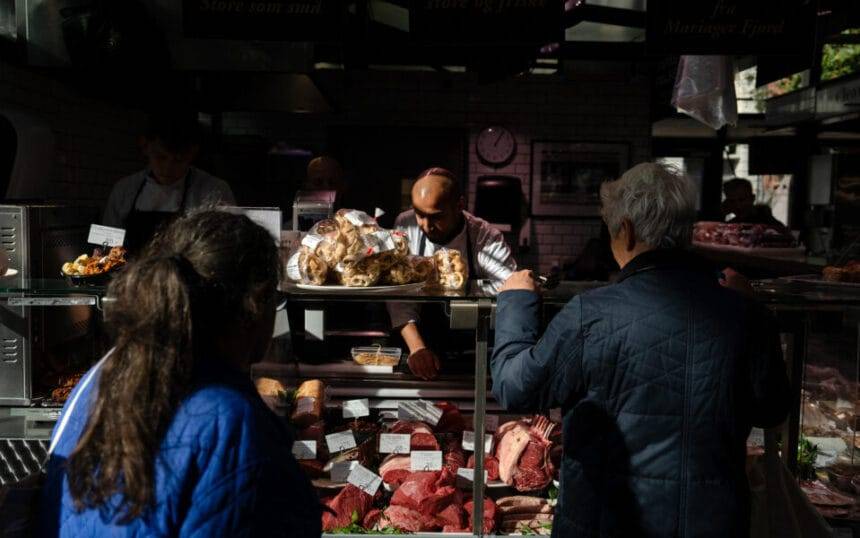
“मुझे लगता है कि यह अच्छा है,” 31 वर्षीय रासमस एंजल्सनेस ने कहा, जो हाल ही में एक दोपहर कोपेनहेगन में रात के खाने के लिए खरीदारी कर रहे थे। “यह अलग-अलग विकल्प चुनने के लिए एक तरह का धक्का है, शायद अधिक जलवायु-अनुकूल विकल्प।”
इस बात पर ध्यान न दें कि उसकी शॉपिंग कार्ट में पोर्क बेली के मोटे टुकड़े थे, जिसे उसने उस बरसात की शाम को आलू और अजमोद के साथ पकाने की योजना बनाई थी। “आरामदायक भोजन,” उसने संकोचपूर्वक कहा।
यह कर देश के कृषि प्रदूषण को साफ करने और अंततः कुछ कृषि भूमि को उसके प्राकृतिक स्वरूप में बहाल करने के लिए डिज़ाइन किए गए एक बड़े पैकेज का हिस्सा है, जैसे कि पीट भूमि, जो ग्रह-ताप गैसों को भूमिगत रूप से बंद करने में असाधारण रूप से अच्छी हैं, लेकिन फसल उगाने के लिए दशकों पहले सूखा दिया गया था। .
डेनमार्क की खोज संयुक्त राज्य अमेरिका सहित कई कृषि महाशक्तियों के लिए भी गणना का हिस्सा है, क्योंकि उन्हें राजनीतिक रूप से शक्तिशाली कृषि लॉबी की जरूरतों को संतुलित करते हुए, खेतों से प्रदूषण को साफ करने के आह्वान का सामना करना पड़ता है।
विश्व स्तर पर, खाद्य प्रणाली ग्रीनहाउस गैसों का एक चौथाई हिस्सा है, और उन उत्सर्जन को कम करने के लिए आहार, नौकरियों और उद्योगों पर कठिन विकल्प चुनने की आवश्यकता है। साथ ही, किसान जलवायु परिवर्तन के खतरों के प्रति संवेदनशील हैं, जिसमें जीवाश्म ईंधन के जलने से भीषण गर्मी, सूखा और बाढ़ की समस्या बढ़ रही है। इससे भोजन एक विशेष रूप से विकट जलवायु समस्या बन जाता है।
इसमें कोई आश्चर्य की बात नहीं है कि कृषि के जलवायु उत्सर्जन को कम करने के प्रयासों को ब्रुसेल्स से लेकर दिल्ली से लेकर वेलिंगटन तक कड़े प्रतिरोध का सामना करना पड़ा है, जहां न्यूजीलैंड सरकार ने 2022 में बर्प टैक्स का प्रस्ताव रखा था, लेकिन बाद में सरकार ने इसे खत्म कर दिया।
यहां तक कि डेनमार्क का माप भी गहन राजनीतिक तकरार से गुजरा। विशेषज्ञों के एक स्वतंत्र पैनल ने उच्च कर सहित कई रास्ते सुझाए थे, जिसका फार्म लॉबी ने कड़ा विरोध किया था। जब सरकार ने एक ऐसी योजना बनाई जो किसानों को कर को शून्य तक लाने के लिए समय और सब्सिडी देगी, तो पर्यावरण प्रचारकों ने इसे बहुत ढीला बताते हुए आपत्ति जताई।
सरकारी कार्यालय के सामने, जहां अक्टूबर में अंतिम समय की बातचीत चल रही थी, एक विरोध तख्ती पर लिखा था, “लोगों के लिए भोजन, जानवरों के लिए चारा नहीं।”
जब कुछ किशोर प्रदर्शनकारियों के पास से गुजर रहे थे तो उन्होंने चिल्लाते हुए कहा, “मुझे कीमा पसंद है।”
अंततः यह उपाय नवंबर में पारित हो गया। 2030 से शुरू होकर, यह किसानों से उनके परिचालन द्वारा उत्पादित प्रत्येक टन कार्बन डाइऑक्साइड के बराबर 300 डेनिश क्रोनर (लगभग $43) का शुल्क लेगा। 2035 तक टैक्स दोगुना से भी ज्यादा 750 क्रोनर हो जाएगा।
लेकिन अन्य क्षेत्रों पर कार्बन टैक्स के विपरीत, किसानों को स्वचालित रूप से 60% की छूट मिलेगी क्योंकि, जैसा कि सरकार के हरित संक्रमण मंत्री जेप्पे ब्रूस ने कहा था, पेट फूलने को पूरी तरह से खत्म करने के लिए अभी तक कोई तकनीक नहीं है। यदि किसान गाय के डकार से मीथेन को कम करने के लिए फ़ीड एडिटिव्स का उपयोग करने या गैस ग्रिड में मीथेन को पाइप करने वाली मशीनों में सुअर खाद भेजने जैसे काम करते हैं तो छूट बढ़ जाती है।
ब्रूस ने कहा, “प्रदूषण पर कर का उद्देश्य व्यवहार में बदलाव लाना है।”
इससे मदद मिली कि कर पर बातचीत करने वाली सरकार में केंद्र-दक्षिणपंथी राजनीतिक दल, वेंस्ट्रे शामिल है, जो लंबे समय से किसानों के हितों की वकालत करता रहा है।
यूरोप की सबसे बड़ी डेयरी सहकारी कंपनी अरला फूड्स बोर्ड पर आ गई है। कंपनी के अधिकारियों ने कहा, इसलिए नहीं कि यह कर का समर्थन करता है, बल्कि इसलिए कि समझौता कुछ ऐसा है जिसके साथ डेयरी किसान रह सकते हैं। “वे समझते हैं कि उन्हें ऐसा करने की ज़रूरत है; वे ऐसा करना चाहते हैं,” कंपनी के सीईओ पेडर टुबॉर्ग ने कहा। “वे जानते हैं कि यह उनकी प्रतिष्ठा की रक्षा कर रहा है, और वे अभी भी उत्पादन कर रहे हैं।”
जेन्स क्रिश्चियन सोरेनसेन उन डेयरी किसानों में से एक हैं जो अर्ला फूड्स की आपूर्ति करते हैं, और वह अपने परिचालन के दूध और मीथेन गणित पर नियंत्रण पाने की कोशिश कर रहे हैं। उनके पास लगभग 300 दूध देने वाली गायें और अन्य 360 बछड़े हैं जो अभी तक दूध नहीं देते हैं, लेकिन फिर भी मीथेन पैदा करते हैं।
वह जानता है कि दूध उत्पादन को अधिकतम करने के लिए उसे अपने पशुओं को स्वस्थ रखना होगा, यही कारण है कि उसने सेंसर में निवेश किया है जो उसे बताएगा कि उसकी गायें अस्वस्थ हैं या नहीं। वह सटीक रूप से ट्रैक करता है कि वे कितना खा रहे हैं, और कितना दूध पैदा कर रहे हैं।
उन्हें एक रासायनिक पूरक जोड़ने की उम्मीद है जिसका उपयोग किसान अन्य यूरोपीय देशों में मीथेन उत्सर्जन को कम करने के लिए करते हैं। और वह जानते हैं कि हर दूसरे आर्थिक क्षेत्र की तरह, खेती को भी अपना पर्यावरणीय रिकॉर्ड साफ़ करना होगा। उन्होंने कहा, ”डेयरी उद्योग, हमें भी इससे निपटना होगा।” “यह व्यवसाय का अंत नहीं है।”
उनका आत्मविश्वास बढ़ती वैश्विक मांग से आता है। डेनिश मक्खन का दो-तिहाई निर्यात किया जाता है। तो सभी दूध पाउडर का आधा है. और वैश्विक डेयरी खपत पिछले दो दशकों में बढ़ी है और गरीब देशों के समृद्ध होने के साथ-साथ इसके बढ़ने का अनुमान है।
सोरेनसेन ने कहा, “वे चाहते हैं कि उनके बच्चों को दूध मिले।”
पूरे यूरोप में पिछले 30 वर्षों में मांस और डेयरी की खपत काफी हद तक स्थिर रही है। सोरेनसेन के चार बच्चे बड़े होकर उसके मुकाबले बहुत कम मांस खाना चाहते हैं, खासकर गोमांस।
स्वेन्ड ब्रोडर्सन एक जैविक किसान हैं, जिसका अर्थ है कि उनके विकल्प अधिक सीमित हैं। वह फ़ीड योज्य का उपयोग नहीं कर सकता. और सोरेनसेन की गायों के विपरीत, जो अस्तबल में रहती हैं, उनके जानवर खेतों में घूमते हैं और उनकी खाद खेतों में खाद डालती है। इसके बजाय ब्रोडरसन ने फसल भूमि का कुछ हिस्सा काट दिया और ऐसे पेड़ लगाए जो कार्बन डाइऑक्साइड को अवशोषित करते हैं और फल पैदा करते हैं जिन्हें वह बेच सकते हैं – सेब, नाशपाती, चेरी।
फिर भी वह कार्बन टैक्स का समर्थन करते हैं। उन्होंने कहा, “यह बाकी दुनिया को दिखाने का मौका है” कि खेती का मतलब बहुत अधिक प्रदूषण नहीं है। “कर के बिना, हर कोई कल भी वैसा ही करेगा जैसा उसने कल किया था।”
एक बड़ी, अधिक कठिन दुविधा अभी भी मंडरा रही है: क्या डेनमार्क अपनी इतनी सारी ज़मीन गायों और सूअरों को सौंपना जारी रखेगा?
इसका वजन ब्रोडर्सन स्वयं कर रहे हैं। उन्हें उम्मीद है कि वह अपनी ज़मीन के एक बड़े हिस्से का उपयोग मानव उपभोग के लिए अधिक पौधे उगाने के लिए करेंगे, और एक छोटे हिस्से का उपयोग डेयरी के लिए करेंगे। “आपको प्रकृति में गायों की ज़रूरत है,” उन्होंने कहा। “लेकिन आपको कितने दूध और कितनी सब्जियों के बीच संतुलन बनाना होगा।”
यह आलेख मूलतः में प्रकाशित हुआ था दी न्यू यौर्क टाइम्स.
Complete News In English(पूरी खबर – अंग्रेज़ी में)
Copenhagen, Denmark – Known for its innovative restaurants and stylish design studios, Denmark is now set to be recognized for something more fundamental: the world’s first tax on burps and flatulence from livestock.
This comes as Denmark has five times more pigs and cows than people. Approximately two-thirds of its land is farmed. Agriculture is increasingly contributing to climate pollution, leading to significant public pressure on lawmakers to reduce it.
As a result, Denmark’s unlikely coalition government, made up of various political parties, has agreed to impose a tax on methane emissions produced by livestock through their waste, burps, and flatulence. This legislation, which has been in discussions for years, was passed by the Danish parliament this month, making it the world’s only climate tax on livestock.
“I think it’s good,” said Rasmus Angelsnes, 31, who was grocery shopping in Copenhagen for dinner one rainy afternoon. “It’s kind of a nudge to choose different options, perhaps more climate-friendly ones.”
He was not deterred by the thick slices of pork belly in his shopping cart that he planned to cook with potatoes and parsley that evening. “Comfort food,” he said with a hint of reluctance.
This tax is part of a broader initiative designed to clean up the agricultural pollution in the country and eventually restore some farmland to its natural state, especially peatlands, which are highly effective at sequestering greenhouse gases but were drained decades ago for farming.
Denmark’s approach to addressing agricultural emissions is also relevant for major agricultural powers like the United States, which face calls to reduce pollution from farms while balancing the needs of politically powerful farming lobbies.
Globally, food systems are responsible for about a quarter of greenhouse gas emissions, necessitating tough choices around diets, jobs, and industries to reduce these emissions. Additionally, farmers are vulnerable to climate change threats, which exacerbate issues like extreme heat, drought, and flooding. This makes food systems a particularly challenging climate issue.
It’s no surprise that efforts to reduce climate emissions from agriculture have faced strong resistance worldwide, from Brussels to Delhi to Wellington, where New Zealand’s government proposed a burp tax in 2022 but later scrapped it.
Denmark’s proposal also underwent intense political debate. An independent panel of experts suggested various options, including a high tax, which faced fierce opposition from farming lobbies. When the government devised a plan allowing farmers time and subsidies to reduce the tax to zero, environmental advocates criticized it as too lenient.
Outside the government offices, where last-minute negotiations were taking place in October, a protest sign read, “Food for people, not feed for animals.”
As some teenage protesters passed by, they shouted, “I love minced meat.”
Ultimately, the proposal was passed in November. Starting in 2030, it will charge farmers 300 Danish kroner (about $43) for every ton of carbon dioxide equivalent produced by their operations. By 2035, the tax will more than double to 750 kroner.
However, unlike carbon taxes in other sectors, farmers will automatically receive a 60% discount since, as the government’s green transition minister Jeppe Bruus stated, there is currently no technology available to completely eliminate methane from livestock. Discounts will increase if farmers implement measures such as using feed additives to reduce methane or piping pig manure into machines that convert methane into gas.
Bruus noted, “The goal of the pollution tax is to encourage behavioral change.”
This effort was aided by the participation of the center-right political party Venstre in the government, which has long advocated for farmers’ interests.
Arla Foods, Europe’s largest dairy cooperative, supported the measure. Company representatives indicated that, while they do not support the tax, the compromise is workable for dairy farmers. “They understand that they need to do this; they want to do it,” said company CEO Peder Tuborgh. “They know it protects their reputation while still allowing them to produce.”
Jens Christian Sorensen is one such dairy farmer supplying Arla Foods, and he is working to manage the milk and methane outputs from his operation. He has about 300 milk-producing cows and another 360 calves that don’t produce milk yet still contribute to methane emissions.
He knows that to maximize milk production, he must keep his animals healthy, which is why he has invested in sensors to monitor their health. He meticulously tracks their feed intake and milk production.
He hopes to add a chemical supplement that farmers in other European countries have used to reduce methane emissions. He recognizes that like every other economic sector, agriculture must also clean up its environmental record. “The dairy industry has to deal with this too,” he said. “This isn’t the end of business.”
His confidence stems from the growing global demand for dairy products. Two-thirds of Danish butter is exported, and half of all powdered milk. Global dairy consumption has risen over the past two decades and is expected to continue increasing as poorer countries grow richer.
Sorensen remarked, “They want their children to have milk.”
Consumption of meat and dairy has largely remained stable across Europe over the past 30 years. Sorensen’s four children are likely to consume much less meat than he did, especially beef.
Svend Brodersen is an organic farmer, meaning his choices are more limited. He cannot use feed additives. Unlike Sorensen’s cows, which stay in barns, his animals roam the fields, and their manure fertilizes the land. Instead, Brodersen has planted trees on part of his crop land that absorb carbon dioxide and produce fruits he can sell—apples, pears, cherries.
Still, he supports the carbon tax. “It’s an opportunity to show the rest of the world that farming does not have to mean a lot of pollution,” he said. “Without the tax, everyone would just keep doing what they’ve always done.”
However, a bigger, more challenging dilemma looms: Should Denmark continue to allocate so much of its land to cows and pigs?
Brodersen himself is weighing this choice. He hopes to use a larger portion of his land for growing more plants for human consumption and a smaller part for dairy. “You need cows in nature,” he said. “But you have to find a balance between how much milk and how many vegetables to produce.”
This article was originally published in The New York Times.