

Main Points In Hindi (मुख्य बातें – हिंदी में)
-
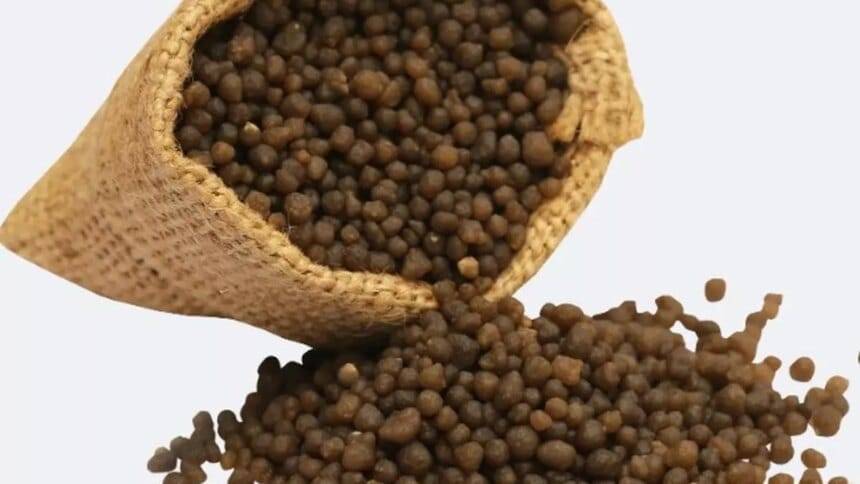
डीएपी की घरेलू आपूर्ति में सुधार: केंद्र सरकार ने डाय-अमोनियम फॉस्फेट (डीएपी) उर्वरकों की घरेलू उपलब्धता बढ़ाने के लिए कदम उठाने की बात की है, खासकर 60 प्रतिशत आयात निर्भरता के बीच। वे स्थानीय स्तर पर उपलब्धता के मुद्दों को संबोधित करने के लिए कार्य कर रहे हैं।
-
आपूर्ति में बाधाएँ: सरकार ने डीएपी की कमी के लिए लाल सागर संकट और कुछ वैश्विक आपूर्तिकर्ताओं द्वारा निर्यात में कमी को जिम्मेदार ठहराया। इससे आपूर्ति श्रृंखला में व्यवधान आया है।
-
उर्वरकों की मांग का महत्व: अक्टूबर और नवंबर के महीने में किसान डीएपी के लिए आवेदन करते हैं, जो रबी सीज़न की कुल मांग का 65-70 प्रतिशत है। इसलिए, सुनिश्चित आपूर्ति के लिए स्थानीय अधिकारियों के साथ समन्वय किया जा रहा है।
-
जटिल उर्वरकों का बढ़ता उपयोग: उत्तर प्रदेश और मध्य प्रदेश जैसे राज्यों में जटिल उर्वरकों का उपयोग साल भर में 5 लीटर बढ़ गया है। पूरे देश में भी जटिल उर्वरकों की बिक्री में वृद्धि देखी गई है।
- आँकड़े और आपूर्ति की स्थिति: कृषि मंत्रालय द्वारा दी गई जानकारी के अनुसार, अक्टूबर और नवंबर 2024 में राज्यों को लगभग 23 लीटर डीएपी आपूर्ति की जा चुकी है, जबकि पिछले साल की तुलना में पहले के महीनों में ही कम आपूर्ति हुई है।
Main Points In English(मुख्य बातें – अंग्रेज़ी में)
Here are the main points from the article:
-
Government Action on DAP Supply: The Indian government is taking steps to increase the domestic supply of Di-Ammonium Phosphate (DAP) fertilizers in light of a 60% import dependency and ongoing local availability issues.
-
Impact of Global Supply Challenges: The statement attributed the shortage of DAP to geopolitical issues in the Red Sea and reduced exports from key global suppliers, which have affected the availability and transportation of necessary materials.
-
Critical Months for Farmers: October and November are crucial months for farmers to apply for DAP, accounting for 65-70% of the total demand for the rabi season.
-
Current Supply Status: Despite a 59% increase in imports during October, the demand for DAP was not fully met, with the fertilizer department actively coordinating with states to ensure adequate supply.
- Sales and Usage Trends: Preliminary data indicated that DAP sales in major consumer states fell short of their monthly demands, although there has been an increase in the use of complex fertilizers across several key states compared to the previous year.

Complete News In Hindi(पूरी खबर – हिंदी में)
केंद्र ने कहा है कि वह 60 प्रतिशत आयात निर्भरता के बीच डाय-अमोनियम फॉस्फेट (डीएपी) उर्वरकों की घरेलू आपूर्ति को बढ़ावा देने और स्थानीय स्तर पर उपलब्धता के मुद्दों को संबोधित करने के लिए कदम उठा रहा है। सरकार ने डीएपी की कमी के लिए लाल सागर मुद्दे और कुछ वैश्विक आपूर्तिकर्ताओं द्वारा निर्यात में कटौती को भी जिम्मेदार ठहराया है।
किसानों के लिए डीएपी के लिए आवेदन करने के लिए अक्टूबर और नवंबर प्रमुख दो महीने हैं। परिणामस्वरूप, रबी सीज़न की कुल मांग का 65-70 प्रतिशत इसी अवधि के दौरान पूरा किया जाना है।
बुधवार देर रात जारी उर्वरक मंत्रालय के एक आधिकारिक बयान के अनुसार, “स्थानीय उपलब्धता के मुद्दों को हल करने और डीएपी की शीघ्र आपूर्ति सुनिश्चित करने के लिए सरकार राज्यों, रेलवे और उर्वरक कंपनियों के साथ समन्वय में सभी आवश्यक कार्रवाई कर रही है।”
लाल सागर संकट का प्रभाव
बयान में कहा गया है कि चुनौतियों के बावजूद, उर्वरक विभाग ने राज्यों को डीएपी की पर्याप्त आपूर्ति बनाए रखने के लिए कई कदम उठाए हैं। विभाग ने कहा, “इस साल, मौजूदा भू-राजनीतिक स्थितियों, जैसे प्रमुख आपूर्तिकर्ताओं द्वारा भारत को कम निर्यात और लाल सागर संकट के कारण, डीएपी आपूर्ति प्रभावित हुई।”
विभाग ने बताया कि लाल सागर संकट के कारण केप ऑफ गुड होप के माध्यम से फॉस्फेटिक एसिड जहाजों सहित जहाजों का मार्ग बदल गया, जिसके परिणामस्वरूप यात्रा में लंबा समय लगा और संबंधित आपूर्ति श्रृंखला में व्यवधान हुआ।
लेकिन कई उद्योग जगत के लोगों ने कहा कि लाल सागर संकट जनवरी में शुरू हुआ था, और इस साल, कमी से बचा जा सकता था अगर पहले से ही “प्रभावी रणनीति” तैयार की गई होती। उन्होंने यह भी बताया कि पोटाश के मामले में भी ऐसा ही पारगमन समय हो रहा है, जिसमें भारत 100 प्रतिशत आयात पर निर्भर है।
व्यवसाय लाइन 27 नवंबर को एक रिपोर्ट प्रकाशित हुई थी जिसमें दिखाया गया था कि अक्टूबर के दौरान आयात में 59 प्रतिशत की बढ़ोतरी के बावजूद महीने के लिए डीएपी की मांग पूरी नहीं हो सकी और बिक्री एक साल पहले की तुलना में भी कम थी।
कृषि मंत्रालय द्वारा संकलित फीडबैक के अनुसार, रबी बुआई सीजन के पहले दो महीनों में डीएपी की संयुक्त आवश्यकता लगभग 35 लाख टन (लीटर) आंकी गई थी – अक्टूबर के लिए, 18.69 लीटर और नवंबर के लिए, लगभग 16.14 लीटर। हालाँकि, राज्य पिछले महीने की वास्तविक आपूर्ति और बिक्री के आधार पर एक महीने की मांग को संशोधित करते हैं।
उर्वरक मंत्रालय ने 28 नवंबर को कहा कि अक्टूबर और नवंबर 2024 में राज्यों को आपूर्ति की जाने वाली आयातित और घरेलू डीएपी राज्यों में उपलब्ध बफर स्टॉक को छोड़कर, अब तक लगभग 23 लीटर हो गई है। आधिकारिक आंकड़ों से पता चलता है कि इस साल 30 सितंबर तक डीएपी का अंतिम स्टॉक 11.91 लीटर था, जबकि एक साल पहले यह 21.74 लीटर था।
इस रबी 2024-25 सीज़न में, 17 लीटर से अधिक डीएपी विभिन्न बंदरगाहों पर पहुंचा और अक्टूबर और नवंबर में राज्यों को भेजा गया। सरकार ने कहा कि घरेलू उत्पादन से अतिरिक्त 6.50 लीटर भी उपलब्ध कराया गया। बिजनेसलाइन की रिपोर्ट के अनुसार, अक्टूबर 2024 में डीएपी आयात 58.6 प्रतिशत बढ़कर 8.17 लीटर हो गया, जो पिछले साल की इसी अवधि में 5.15 लीटर था।
जटिल उर्वरकों का उपयोग
सरकार ने यह भी कहा है कि उत्तर प्रदेश और मध्य प्रदेश जैसे प्रमुख राज्यों ने विभिन्न ग्रेड के जटिल उर्वरकों (एन, पी, के, एस पोषक तत्वों का संयोजन) का उपयोग साल भर पहले की तुलना में 5 लीटर अधिक किया है। पूरे देश में अक्टूबर-नवंबर में कॉम्प्लेक्स की बिक्री पिछले साल की तुलना में अब तक 10 लीटर अधिक दर्ज की गई है।
बयान में कहा गया है कि सरकार के गहन प्रयासों के परिणामस्वरूप चालू रबी सीजन के दौरान अब तक 34.81 लीटर डीएपी और 55.14 लीटर कॉम्प्लेक्स की कुल उपलब्धता हुई है।
आधिकारिक आंकड़ों से पता चलता है कि प्रमुख उपभोक्ता राज्यों में अक्टूबर में उनकी मासिक मांग के मुकाबले डीएपी की बिक्री इस प्रकार थी – उत्तर प्रदेश की 5 लीटर मांग के मुकाबले 2.26 लीटर, मध्य प्रदेश की 3.75 लीटर मांग के मुकाबले 1.41 लीटर और पंजाब की 2.5 लीटर मांग के मुकाबले 1.09 लीटर। आंकड़ों से यह भी पता चला कि इन तीन राज्यों में बिक्री अपनी-अपनी उपलब्धता के करीब थी।
Complete News In English(पूरी खबर – अंग्रेज़ी में)
The government has announced plans to increase the domestic supply of Di-Ammonium Phosphate (DAP) fertilizers, which currently rely 60% on imports, in order to address local availability issues. The government has attributed the shortage of DAP to problems in the Red Sea and some global suppliers reducing exports.
Farmers are expected to apply for DAP mainly in October and November, during which 65-70% of total demand for the Rabi season should be met.
According to an official statement from the Fertilizer Ministry released late Wednesday night, the government is coordinating with states, railways, and fertilizer companies to take necessary actions to resolve local availability issues and ensure timely supply of DAP.
Impact of the Red Sea Crisis
The statement indicated that despite challenges, the Fertilizer Department has taken several steps to maintain an adequate supply of DAP to the states. It noted that geopolitical issues, such as reduced exports from major suppliers and the crisis in the Red Sea, have affected the supply of DAP this year.
The crisis has also altered the shipping routes for phosphate acid vessels, leading to longer travel times and disruptions in the supply chain.
However, industry experts mentioned that the Red Sea crisis began in January, and the shortage this year could have been avoided if there had been "effective strategies" in place earlier. They pointed out similar delays for potash, of which India is 100% import-dependent.
A report by Business Line on November 27 highlighted that despite a 59% rise in imports during October, the demand for DAP still went unmet, and sales were lower than the previous year.
According to feedback compiled by the Agriculture Ministry, approximately 3.5 million tons (liters) of DAP was expected to be needed in the first two months of the Rabi planting season—18.69 lakh liters for October and about 16.14 lakh liters for November. States adjust their demand based on actual supply and sales from the previous month.
On November 28, the Fertilizer Ministry stated that around 23 lakh liters of imported and domestic DAP have been supplied to states, excluding available buffer stocks. Official data shows that as of September 30 this year, the final stock of DAP was 11.91 lakh liters, down from 21.74 lakh liters a year earlier.
For the Rabi 2024-25 season, over 17 lakh liters of DAP was dispatched to states from various ports in October and November, with an additional 6.5 lakh liters supplied from domestic production. According to Business Line, DAP imports surged by 58.6% in October 2024, reaching 8.17 lakh liters compared to 5.15 lakh liters during the same period last year.
Use of Complex Fertilizers
The government also mentioned that major states like Uttar Pradesh and Madhya Pradesh have utilized 5 lakh liters more of various grades of complex fertilizers (a combination of N, P, K, and S nutrients) compared to last year. Sales of complex fertilizers across the country in October-November have so far exceeded last year’s figures by 10 lakh liters.
The statement concluded that, thanks to the government’s intensive efforts, 34.81 lakh liters of DAP and 55.14 lakh liters of complex fertilizers have been made available during the current Rabi season.
Official data shows that in October, the sales of DAP in major consumer states compared to their monthly demand were as follows: Uttar Pradesh’s demand was 5 lakh liters, but sales were only 2.26 lakh liters; Madhya Pradesh had a demand of 3.75 lakh liters with sales of 1.41 lakh liters; and Punjab had a demand of 2.5 lakh liters with sales of 1.09 lakh liters. The data indicates that sales in these states were close to their available stock.