


Main Points In Hindi (मुख्य बातें – हिंदी में)
-
रूस-यूक्रेन युद्ध का प्रभाव: भारतीय पोल्ट्री क्षेत्र को रूस-यूक्रेन युद्ध के कारण एक बड़ा अवसर मिला, जिससे कई देश, जैसे कि मलेशिया और श्रीलंका, भारतीय बाजारों में अंडे खरीदने के लिए आए।
-
मलेशिया का अचानक रुकना: मलेशिया ने भारत से अंडों की खरीदारी को अचानक रोक दिया, जबकि उसे प्रतिदिन एक करोड़ अंडे खरीदने थे। यह बदलाव गुणवत्ता के मुद्दों के कारण हुआ, जहां छोटे और खराब गुणवत्ता के अंडों की आपूर्ति की गई।
-
छवि का नुकसान: अंतरराष्ट्रीय अंडा परिषद के राष्ट्रपति सुरेश चित्तुरी का आरोप है कि भारत के अंडा बाजार की छवि को जानबूझकर खराब किया गया, जिससे मलेशिया और कतर जैसे देशों में भारतीय अंडों की मांग प्रभावित हुई।
-
भारत की अंडा उत्पादन क्षमता: भारत अंडे के उत्पादन में विश्व में दूसरे नंबर पर है, और हर साल सात से आठ प्रतिशत की दर से उत्पादन बढ़ रहा है।
- भारतीय अंडों की मांग के कारण: भारतीय अंडे की लागत अन्य देशों से कम है और उनकी गुणवत्ता भी अच्छी होती है, जिसमें अंडे की योल्क गहरा पीला होता है। इसके इसके अलावा, तमिलनाडु और केरल के कुछ बंदरगाहों से ताजगी के साथ अंडों की तेजी से आपूर्ति की जाती है।
Main Points In English(मुख्य बातें – अंग्रेज़ी में)
Here are the main points from the provided text about the Indian poultry sector and its recent developments:
-
Opportunity Due to the War: The Russia-Ukraine war created an opportunity for the Indian poultry sector, with countries like Malaysia and Sri Lanka turning to India to purchase eggs. Malaysia initially started buying eggs as samples, and Sri Lanka felt compelled to source eggs from India due to its own challenging internal conditions.
-
Setback from Poor Quality: Malaysia abruptly halted its egg purchases after initially buying three crore eggs from India in two months. The decision was attributed to the supply of poor-quality and small-sized eggs from Indian producers, specifically from Namakkal, Tamil Nadu.
-
Tarnished Image of Indian Eggs: Suresh Chitturi, President of the International Egg Council, claimed that the image of the Indian egg market has been deliberately damaged. He criticized the supply of low-quality eggs, with some being sold without proper cleanliness, which could hurt India’s reputation in the exporting market.
-
Demand for Indian Eggs: Despite recent setbacks, Chitturi noted the significance of Malaysia’s initial interest in the Indian egg market as a positive sign, as Malaysia is respected for its egg trade. There is strong domestic production growth in India, with an increase of 7-8% annually, positioning India as the second-largest egg producer globally.
- Advantages of Indian Eggs: Ricky Thapar from the Poultry Federation of India highlighted the competitiveness of Indian eggs, noting they are cheaper than those from many other nations, possess a dark yellow yolk quality, and can be supplied quickly from ports in Tamil Nadu and Kerala, further enhancing their demand in international markets.

Complete News In Hindi(पूरी खबर – हिंदी में)
भारतीय मुर्गी पालन क्षेत्र को रूस-यूक्रेन युद्ध के कारण एक बड़ा अवसर मिला है। कई देश अंडे खरीदने के लिए भारतीय बाजार की ओर रुख कर रहे थे। इनमें मलेशिया और श्री लंका भी शामिल थे। युद्ध के कारण, दोनों देशों ने अंडे खरीदने के लिए भारत का रुख किया। मलेशिया ने पहले अंडों के नमूने खरीदने की शुरुआत की। पहले नमूने के बाद, श्री लंका ने भी अंडे खरीदने शुरू किए। श्री लंका के पास दोहरी आवश्यकता थी, उसे भारत से अंडे खरीदने पड़े। क्योंकि युद्ध के अलावा, श्री लंका की अपनी आंतरिक स्थिति भी बहुत खराब थी।
लेकिन अचानक मलेशिया ने अंडे खरीदना बंद कर दिया। जबकि मलेशिया को हर दिन एक करोड़ अंडे खरीदने थे। लेकिन दो महीने में तीन करोड़ अंडे खरीदने के बाद, उसने भारतीय बाजार से निकलना शुरू कर दिया। अंडे तमिलनाडु के नमक्कल से मलेशिया को भेजे जा रहे थे। यह आरोप लगाया गया है कि खराब गुणवत्ता और छोटे आकार के अंडों की आपूर्ति के कारण मुर्गी पालन क्षेत्र को बड़ा नुकसान हुआ।
अधिक पढ़ें: अंडा निर्यात: कतर ने भारतीय अंडों पर बड़ा दांव लगाया है, निर्यात में बाधा आएगी…अब मुर्गी पालन व्यापारी क्या करेंगे?
भारतीय अंडा बाजार को जानबूझकर खराब किया गया
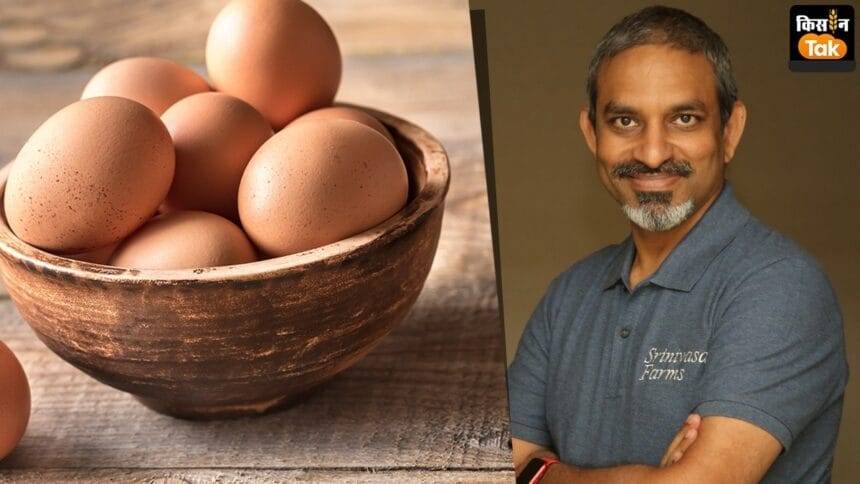
इंटरनेशनल एग काउंसिल के अध्यक्ष और श्रीनिवास ग्रुप के एमडी सुरेश चित्तुरी का आरोप है कि कतर और मलेशिया के मामले में भारतीय अंडा बाजार की छवि जानबूझकर खराब की गई है। जब अंडे निर्यात किए जा रहे हैं और कीमतें भी अच्छी हैं, तो केवल अच्छे गुणवत्ता और बड़े आकार के अंडे ही प्रदान किए जाने चाहिए। लेकिन यहां इसके विपरीत हुआ। एक छोटे अंडे को एक मुर्गी पालन किसान से 40-45 पैसे में खरीद कर भेजा गया। केवल यही नहीं, गंदे अंडे भी बिना साफ किए बॉक्स में बेचे गए।
मलेशिया से अंडे का मार्केट में आना एक अच्छा संकेत
सुरेश चित्तुरी ने बताया कि मलेशिया भारत आया क्योंकि रूस-यूक्रेन युद्ध के कारण। मलेशिया का आना भारतीय अंडा बाजार के लिए एक अच्छा संकेत था। क्योंकि मलेशिया का अंडे खरीदने और बेचने में बहुत अच्छा नाम है। इस वजह से उम्मीद की जा रही थी कि अगर मलेशिया अंडे खरीदता है, तो मांग बढ़ेगी और मांग बढ़ने पर मुर्गी पालन किसानों को भी अच्छे कीमतें मिलेंगी। भारत में अंडों की कोई कमी नहीं है। उत्पादन हर साल सात से आठ प्रतिशत की दर से बढ़ रहा है। और भारत अंडा उत्पादन में दुनिया में दूसरे स्थान पर है।
अधिक पढ़ें: बकरी पालन: अगर आप सर्दियों में बकरियों का यूं ध्यान रखेंगे तो बच्चों की मृत्यु दर कम होगी।
इसलिए भारतीय अंडों की मांग है
पोल्ट्री फेडरेशन ऑफ इंडिया के कोषाध्यक्ष रिकी थापर के अनुसार, भारतीय अंडे कई अन्य देशों की तुलना में सस्ते हैं। दूसरा, गुणवत्ता है। अंडे की जर्दी पूरी तरह से गहरे पीले रंग की होती है। सबसे बड़ी बात यह है कि अंडे तमिलनाडु और केरल के कुछ बंदरगाहों से जल्दी ही कई देशों में भेजे जाते हैं।
Complete News In English(पूरी खबर – अंग्रेज़ी में)
The Indian poultry sector got a big opportunity due to the Russia-Ukraine war. Many countries were turning to Indian markets to buy eggs. Malaysia and Sri Lanka were also among them. Both these countries were coming to India to buy eggs due to the war. Malaysia had earlier started purchasing eggs as samples. Starting with the first sample, Sri Lanka also started purchasing eggs. Sri Lanka had a double compulsion, it had to buy eggs from India. Because apart from the war, Sri Lanka’s own internal conditions were also very bad.
But Malaysia suddenly stopped purchasing eggs. Whereas Malaysia had to purchase one crore eggs from India every day. But after purchasing three crore eggs in two months, he packed his bags from Indian markets. Eggs were being supplied to Malaysia from Namakkal, Tamil Nadu. It is alleged that the poultry sector has suffered a major setback due to supply of poor quality and small sized eggs.
Also read: Egg Export: Qatar has placed a big bet on Indian eggs, exports will suffer a blow…what will poultry traders do now?
Indian egg market was deliberately spoiled
Suresh Chitturi, President of the International Egg Council and MD of Srinivas Group, alleges that in the case of Qatar and Malaysia, the image of the Indian egg market has been deliberately tarnished. When eggs are being exported and prices are also good, then only good quality and big size eggs should be supplied. But here the opposite happened. A small egg was purchased from a poultry farmer at a price of 40-45 paise and sent. Not only this, the dirty eggs were not even cleaned and were sold in boxes.
Egg from Malaysia went to the market, a good sign
Suresh Chitturi told even the farmers that Malaysia had come to India due to the Russia-Ukraine war. And the arrival of Malaysia was a good signal in India’s egg market. Because Malaysia has a very good name in the matter of buying and selling of eggs. Due to this, it was expected that if Malaysia buys eggs, the demand will increase and due to increase in demand, poultry farmers will also get good prices. There is no shortage of eggs in India. Production is increasing at the rate of seven to eight percent every year. And India ranks second in the world in egg production.
Also read: Goat Farming: If you take care of goats like this for 60 days in winter, the mortality rate of children will reduce.
That’s why there is a demand for Indian eggs
Ricky Thapar, Treasurer of Poultry Federation of India, said that Indian eggs are cheaper than many other countries. The second thing is quality. The yolk of the egg is completely dark yellow in colour. And the biggest thing is that eggs are supplied to many countries in a short time from some ports in Tamil Nadu and Kerala.