

Main Points In Hindi (मुख्य बातें – हिंदी में)
-
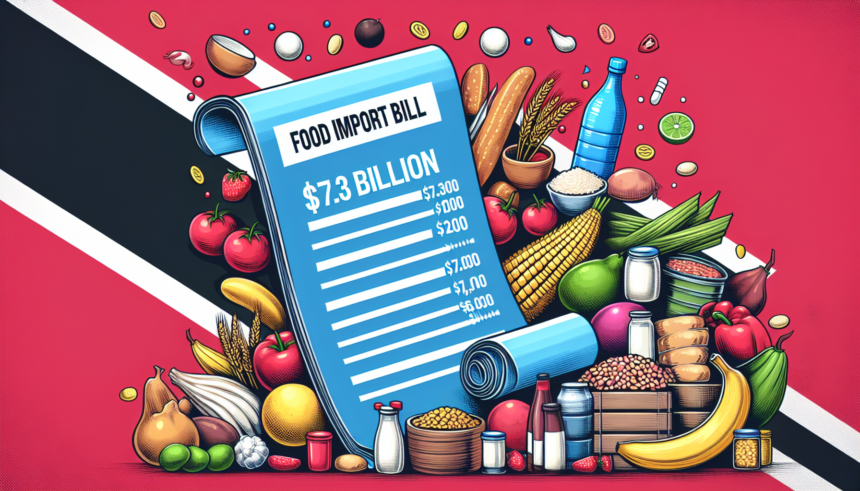
खाद्य आयात बिल में वृद्धि: त्रिनिदाद और टोबैगो का खाद्य आयात बिल अब तक का सबसे अधिक – 7.3 बिलियन डॉलर है, जो कि सरकार के सार्वजनिक क्षेत्र निवेश कार्यक्रम (PSIP) से अधिक है। यह पिछले वित्त वर्ष 2022 में 7.2 बिलियन डॉलर था, जबकि औसत बिल वर्षों तक 5 बिलियन डॉलर से अधिक था।
-
खाद्य सुरक्षा और उत्पादन बढ़ाने की आवश्यकता: खाद्य और कृषि संकाय के डीन प्रोफेसर मार्क वुडविरा ने कहा है कि यह आयात बिल टिकाऊ नहीं है और इसे कम करने के लिए खाद्य उत्पादन बढ़ाने और मूल्य श्रृंखला में सुधार करने की आवश्यकता है।
-
प्रौद्योगिकी और नीतिगत बदलाव: वुडविरा ने कृषि क्षेत्र में प्रौद्योगिकी के उपयोग को बढ़ावा देने और लक्जरी खाद्य पदार्थों पर उच्च कर लगाने पर विचार करने का सुझाव दिया है। उन्होंने कहा कि यह स्थिति खाद्य सुरक्षा को कमजोर कर रही है और देश को संकट से उबारने के लिए आवश्यक है।
-
उपभोक्ता प्राथमिकताएं और आयात: पूर्व डीन प्रोफेसर वेन गणपत ने चेतावनी दी है कि यदि उपभोक्ता विदेशी और विलासितापूर्ण खाद्य वस्तुओं की मांग करते रहें, तो खाद्य आयात खर्च बढ़ता रहेगा। उन्होंने स्थानीय उत्पादन को बढ़ाने की आवश्यकता पर जोर दिया है।
- खाद्य स्थिरता का महत्व: डॉ. शेरोन हचिंसन ने कहा कि टीएंडटी के खाद्य बिल को कम करना आसान नहीं होगा, और खाद्य स्थिरता के लिए लक्षित हस्तक्षेप और स्थानीय उत्पादन को बढ़ावा देना आवश्यक है। उन्हें लगता है कि आवश्यक बदलाव करने की दिशा में पर्याप्त प्रयास नहीं हुए हैं, खासकर कोविड-19 महामारी के बाद।
Main Points In English(मुख्य बातें – अंग्रेज़ी में)
Here are the main points from the article:
-
Record Food Import Bill: Trinidad and Tobago’s food import bill has reached a staggering $7.3 billion, surpassing the government’s annual expenditure on its Public Sector Investment Program (PSIP), highlighting a critical issue in the country’s food security situation.
-
Unsustainable Spending: Experts, including Professor Mark Worwira, indicate that such high expenditures on imported food are unsustainable and weaken the nation’s food security, particularly in the face of global challenges like climate change and geopolitical conflicts.
-
Need for Technological Innovation: Increasing local food production is deemed essential to reduce the import bill. There is a call for leveraging technology, research, and innovation to enhance agricultural productivity in order to stabilize food supply and reduce reliance on imports.
-
Consumer Preferences and Import Trends: The article highlights a cultural trend towards the consumption of luxury imported foods, which complicates efforts to reduce the food import bill. The public’s preference for these goods keeps demand strong, suggesting that any changes to import practices would be met with resistance.
- Strategic Policy Recommendations: Experts suggest that the government consider implementing higher tariffs on luxury food imports and focus on strengthening local production to improve food security. Additionally, there is concern about issues such as agricultural crime (crop theft) that impact local farmers.

Complete News In Hindi(पूरी खबर – हिंदी में)
वरिष्ठ खोजी रिपोर्टर
shaliza.hassanali@guardian.co.tt
टीएंडटी का खाद्य आयात बिल अब तक का सबसे अधिक है – 7.3 बिलियन डॉलर का चौंका देने वाला। संदर्भ के लिए, यह सरकार द्वारा अपने सार्वजनिक क्षेत्र निवेश कार्यक्रम (पीएसआईपी) पर सालाना खर्च से अधिक है। पीएसआईपी का उद्देश्य नागरिकों को बेहतर गुणवत्ता वाले हस्तक्षेप, पैसे का मूल्य और बेहतर सकारात्मक प्रभाव प्रदान करना है।
वित्त वर्ष 2022 में खाद्य आयात बिल 7.2 बिलियन डॉलर था। वर्षों तक, बिल का औसत $5 बिलियन से थोड़ा अधिक था।
बजट 2025 में, वित्त मंत्री कोलम इम्बर्ट ने कहा कि खाद्य सुरक्षा को संबोधित करने के प्रयास सर्वोच्च प्राथमिकता बने हुए हैं क्योंकि सरकार ने बढ़ती खाद्य कीमतों के बहुमुखी मुद्दे से निपटने और किफायती और पौष्टिक भोजन तक पर्याप्त पहुंच सुनिश्चित करने के लिए एक खाद्य सुरक्षा और खाद्य मूल्य समिति की स्थापना की थी।
वेस्ट इंडीज विश्वविद्यालय (यूडब्ल्यूआई) परिसर में खाद्य और कृषि संकाय के डीन, प्रोफेसर मार्क वुडविरा के अनुसार, देश भोजन आयात करने के लिए जो राशि खर्च कर रहा है वह टिकाऊ नहीं है।
उन्होंने कहा कि आयातित खाद्य पदार्थों पर अत्यधिक धनराशि खर्च करना देश की खाद्य सुरक्षा को कमजोर करता है, अवास्तविक है और हमें एक अनिश्चित स्थिति में डाल देता है।
“खाद्य आयात बिल को देखते हुए हम बहुत ही अनिश्चित स्थिति में चल रहे हैं, जो निश्चित रूप से खाद्य सुरक्षा को कमजोर करता है। हमारे जैसे छोटे देश के लिए 7.3 अरब डॉलर का खाद्य आयात बिल कहीं भी अवास्तविक है।
“मुझे इस बात की चिंता है कि क्या हो रहा है और हम अपने खाद्य आयात के मामले में कहाँ हैं। हम अच्छी जगह पर नहीं हैं,” उन्होंने पिछले हफ्ते गार्जियन मीडिया को बताया।
उन्होंने उदाहरण के तौर पर रूस और यूक्रेन के बीच चल रहे संघर्ष, शिपिंग लॉजिस्टिक्स और जलवायु परिवर्तन का हवाला देते हुए कहा कि कई कारकों के कारण बिल बढ़ा होगा।
उन्होंने कहा कि खाद्य उत्पादन बढ़ाना बिल को कम करने का एक पहलू है, जबकि हमें “मूल्य श्रृंखला” पर भी ध्यान देने की जरूरत है जिसमें कृषि क्षेत्र को बदलने और इसे बनाने के लिए विज्ञान, अनुसंधान, प्रौद्योगिकी, नवाचार और विपणन का उपयोग शामिल होगा। अधिक उत्पादक।”
प्रौद्योगिकी की ओर रुख करें, विलासिता की वस्तुओं पर अधिक कर-प्रोफेसर वुद्दिविरा
वृद्धावस्था, उच्च उत्पादन लागत और प्रोत्साहन की कमी के कारण किसानों द्वारा अपने खेत छोड़ने के बारे में वुडविरा ने इसे एक परेशान करने वाली स्थिति बताया।
उन्होंने कहा कि देश को संकट से उबारने के लिए प्रौद्योगिकी की ओर रुख करना जरूरी है। उन्होंने कहा कि विकसित देशों में प्रौद्योगिकी खेतों के संचालन में प्रमुख भूमिका निभा रही है। उन्होंने कहा, कैरेबियन आर्थिक अस्थिरता सहित कई चीजों के प्रति संवेदनशील है।
यह स्वीकार करते हुए कि हम जो कुछ भी खाते हैं उसे हम विकसित और निर्मित नहीं कर सकते, वुद्दीविरा ने कहा कि कुछ खाद्य पदार्थों का आयात करना बहुत सस्ता होगा, जिनमें से कुछ का कोई पोषण मूल्य नहीं है और वे वसा, शर्करा और नमक से भरे हुए हैं, जो गैर-संचारी रोगों का कारण बनते हैं। यह “राज्य और देश की स्वास्थ्य देखभाल प्रणाली पर बोझ” है।
उन्होंने कहा, सरकार को विदेशी और लक्जरी खाद्य पदार्थों के आयात पर उच्च कर लगाने पर विचार करना पड़ सकता है।
2021 में, व्यापार और उद्योग मंत्री पाउला गोपी-स्कून ने खुलासा किया कि टी एंड टी ने पिछले तीन वर्षों में लक्जरी खाद्य पदार्थों के आयात पर प्रति वर्ष लगभग 78 मिलियन डॉलर खर्च किए हैं।
“यह ध्यान दिया जाना चाहिए,” उसने कहा, “पिछले तीन वर्षों, 2018-2020 में, स्मोक्ड सैल्मन, लॉबस्टर, अंगूर, सेब, नाशपाती, स्ट्रॉबेरी, आड़ू और अन्य फलों जैसी चयनित लक्जरी वस्तुओं का आयात (था) औसतन, इसका मूल्य लगभग $78 मिलियन प्रति वर्ष है।”
2017 में, पूर्व कृषि मंत्री क्लेरेंस रामभारत ने कहा कि 5.4 बिलियन डॉलर के खाद्य आयात बिल में से 669 मिलियन डॉलर शराब आयात पर खर्च किए गए थे।
वुद्दीवीरा ने कहा, एक और मुद्दा, जो कि कृषक समुदाय के लिए एक लगातार समस्या बन गया है, वह है प्रीडियल चोरी।
“यह कुछ ऐसा है जो किसानों को काफी प्रभावित करता है। इन किसानों द्वारा अपनी ज़मीन पर कड़ी मेहनत करने के बाद उनकी फसलें चोरी हो जाती हैं। यह एक गंभीर मुद्दा है जिस पर ध्यान देने की जरूरत है।” उन्होंने खाद्य उत्पादन बढ़ाने के लिए एक व्यवहार्य बीज बैंक की स्थापना का सुझाव दिया।
आयात बिल बढ़ेगा- प्रोफेसर वेन गणपत
यूडब्ल्यूआई में खाद्य और कृषि संकाय के पूर्व डीन प्रोफेसर वेन गणपत, खाद्य आयात बिल में और वृद्धि की भविष्यवाणी कर रहे हैं।
“खाद्य आयात बिल बढ़ता रहेगा क्योंकि हमने अपने स्वाद के अनुसार समायोजन नहीं किया है। हम चाहते हैं कि ये विदेशी, विलासितापूर्ण वस्तुएँ हमारी थाली में रहें, और इसकी कीमत हमें अधिक पड़ेगी। यहां तक कि युवा लोग भी इन विदेशी खाद्य पदार्थों की कहानी को पसंद कर रहे हैं। वे इसी रास्ते पर जाना चाहते हैं। हम अब अपनी स्थानीय चाय और कॉफी नहीं चाहते, हम विदेशी ब्रांड चाहते हैं,” उन्होंने कहा।
गणपत ने कहा कि तीन साल पहले लक्जरी खाद्य पदार्थों पर टैरिफ बढ़ाने के कदम ने उपभोक्ताओं को खरीदारी से हतोत्साहित नहीं किया। “लोग अधिक कीमत चुका रहे हैं।”
गणपत ने कहा कि हमारे मुक्त व्यापार समझौतों और खुले बाजारों के आधार पर विलासितापूर्ण खाद्य पदार्थों के आयात पर प्रतिबंध लगाना मुश्किल हो सकता है। उन्होंने कहा कि हम सालाना जितनी फ्रेंच फ्राइज़ का आयात करते हैं, वह “आपको चौंका देगी”, उन्होंने कहा कि अगर हम बड़े पैमाने पर शकरकंद की खेती कर रहे होते, तो यह फ्रेंच फ्राइज़ की जगह ले सकता था और हमारे बिल को कम करने में मदद कर सकता था।
“हमें तेजी से खाद्य उत्पादन बढ़ाना होगा। वैश्विक स्तर पर जलवायु परिवर्तन के साथ जो हो रहा है, उसे देखते हुए हमारे देश में भोजन की पर्याप्त व्यवस्था होनी चाहिए। हमें खाद्य सुरक्षा और संप्रभुता प्राप्त करने की आवश्यकता है।”
क्षेत्र के खाद्य आयात बिल को 2025 तक 6 बिलियन अमेरिकी डॉलर के क्षेत्र में 25 प्रतिशत तक कम करने की कैरिकॉम सरकार के प्रमुखों की प्रतिबद्धता पर जोर देते हुए, गणपत ने कहा कि इस पहल पर 2022 में कैरिकॉम सदस्यों के बीच चर्चा की गई थी। जैसे-जैसे हम 2025 के करीब पहुंच रहे हैं, गणपत ने कहा कि यह लक्ष्य टीएंडटी के लिए अवास्तविक था।
“इसे केवल इसलिए आगे बढ़ाना होगा क्योंकि हम इसे हासिल नहीं कर पाएंगे। हम प्रयासों को आगे बढ़ता हुआ नहीं देख रहे हैं। प्रत्येक कैरिकॉम देश को अपने लिए एक निश्चित मात्रा में खाद्य पदार्थों का उत्पादन करना होता है, और हम त्रिनिदाद में ऐसा होते नहीं देख रहे हैं।
युवा विकास और राष्ट्रीय सेवा मंत्रालय द्वारा प्रस्तावित कृषि कार्यक्रमों का अभी तक प्रतिफल मिलना बाकी है, क्योंकि युवा किसानों के लिए सीखने का दौर लंबा होगा। उन्होंने कहा कि गुयाना खाद्य उत्पादन में कई कैरेबियाई देशों से काफी आगे है, क्योंकि उनका कृषि क्षेत्र प्रमुख पहलों के कार्यान्वयन और एक जीवंत किसान नेटवर्क के माध्यम से तेजी से खाद्य सुरक्षा के करीब पहुंच रहा है।
गुयाना के राष्ट्रपति इरफ़ान अली कृषि में भारी निवेश कर रहे हैं, जिससे देश एक ताकतवर देश बन गया है। जुलाई में कैरिकॉम के शासनाध्यक्षों के सम्मेलन की 46वीं नियमित बैठक को संबोधित करते हुए, अली, जो कैरिकॉम के कृषि और पोषण सुरक्षा के अध्यक्ष हैं, ने बताया कि क्षेत्र अप्रैल 2024 कैरिकॉम के साथ क्षेत्रीय खाद्य और पोषण सुरक्षा की दिशा में मापित प्रगति कर रहा है। विश्व खाद्य कार्यक्रम आजीविका सर्वेक्षण खाद्य असुरक्षा में 17 प्रतिशत की कमी का संकेत दे रहा है।
बैठक में कहा गया कि 2024 की पहली तिमाही तक कैरिकॉम के सदस्य देशों ने निर्धारित लक्ष्यों की 30 प्रतिशत उपलब्धि और वास्तविक आयात में 12 प्रतिशत की गिरावट दर्ज की थी, जो एक चौथाई अरब डॉलर के बराबर है।
कोई आसान समाधान नहीं-डॉ हचिंसन
यूडब्ल्यूआई में कृषि अर्थशास्त्र और विस्तार विभाग के प्रमुख डॉ. शेरोन हचिंसन ने कहा कि टीएंडटी के खाद्य बिल को कम करना कोई आसान समाधान नहीं होगा। “यह खगोलीय रूप से बढ़ रहा है। यह तो ज्यादा है। इसमें तुरंत बदलाव की संभावना नहीं है।”
उन्होंने कहा, यह विधेयक हमारी विदेशी मुद्रा पर दबाव डाल रहा है। “जब आपको केवल भोजन खरीदने के लिए इतनी अधिक विदेशी मुद्रा की आवश्यकता होती है, तो इसका मतलब है कि आपके पास अन्य वस्तुओं और सेवाओं को खरीदने के लिए कम विदेशी मुद्रा है।”
हचिंसन ने बिल में वृद्धि के लिए कुछ खाद्य पदार्थों के प्रति लोगों की प्राथमिकता, उत्पादन में अंतर को जिम्मेदार ठहराया और उपभोक्ता अधिक सुविधाजनक खाद्य पदार्थ खरीद रहे हैं जिनके लिए रसोई में कम समय की आवश्यकता होती है।
“उस प्रकार के भोजन की मांग है। यही वह है जो इसे (खाद्य आयात बिल) चला रहा है, और जब तक उपभोक्ताओं के रूप में हम जो चाहते हैं उसके लिए हमारे पास प्रतिस्पर्धी मूल्य वाले विकल्प नहीं हैं, तब तक आयातित भोजन की मांग मजबूत बनी रहेगी।
हचिंसन ने कहा, डेयरी उत्पादों, अनाज, मांस और समुद्री भोजन का आयात “बड़ी टिकट वाली वस्तुएं” हैं।
2020 में, गोपी-स्कून ने विनियोग विधेयक (2021) में अपने योगदान के दौरान संसद में खुलासा किया कि देश ने 2019 में अनाज, फलों और सब्जियों के आयात पर 2 बिलियन डॉलर से अधिक खर्च किया था, जिसे उन्होंने स्वीकार किया कि इससे मूल्यवान वस्तुओं पर गंभीर नुकसान हो रहा है। विदेशी मुद्रा।
“उस राशि में से प्रत्येक अनाज, फल और सब्जियों पर $1.1 बिलियन खर्च किए गए थे। हम बिस्कुट, ब्रेड और पेस्ट्री पर TT$180 मिलियन और मिक्स और आटे पर TT$28 मिलियन खर्च करते हैं। मैं यह कहने के लिए कह रहा हूं कि विदेशी मुद्रा रिसाव को रोकने के लिए लिए गए निर्णयों का एक संदर्भ है, ”गोपी-स्कून ने सदन को बताया।
जबकि 2022 से वैश्विक स्तर पर खाद्य कीमतों में कमी आ रही है, हचिंसन ने कहा कि हम स्थानीय स्तर पर ऐसी गिरावट नहीं देख रहे हैं। “हमारी खाद्य कीमतें वैश्विक कीमतों के अनुरूप नहीं हैं।”
उन्होंने मूल्यवर्धित उत्पादों की आवश्यकता पर जोर दिया। हचिंसन ने कहा कि हम जो चावल खाते हैं उसका अधिकांश हिस्सा टी एंड टी के बाहर उगाया जाता है। सरकार सालाना 34,000 टन से अधिक सफेद और उबले चावल का आयात करती है, जिसकी लागत औसतन 32 मिलियन अमेरिकी डॉलर है।
राज्य के स्वामित्व वाली नेशनल फ्लोर मिल्स, जिसकी कार्लसन फील्ड में एक चावल मिल है, के पास उबले चावल का उत्पादन करने की कोई सुविधा नहीं है।
हचिंसन ने कहा, “मुझे लगता है कि कुछ चीजें हैं जो हम अभी भी गायब हैं, और हमें चावल उत्पादन बढ़ाने पर और अधिक काम करने की जरूरत है। अपना पेट भरने में सक्षम न होना भी राष्ट्रीय सुरक्षा का मुद्दा है। हमारे देश को कोई भी भूखा नहीं मार पाएगा।”
उन्होंने कहा कि खाद्य स्थिरता प्राप्त करने के लिए “लक्षित हस्तक्षेप” और स्थानीय उत्पादन को बढ़ावा देना महत्वपूर्ण है।
यह पूछे जाने पर कि क्या हमने कोविड-19 महामारी से कुछ सीखा है, हचिंसन ने कहा कि हमने अपनी खाद्य प्रणाली में महत्वपूर्ण बदलाव करने के लिए पर्याप्त नहीं सीखा है। उन्होंने कहा कि जो आवश्यक है और चीजों को पूरा करने के लिए संसाधनों के समन्वय के बीच एक विसंगति थी।
“हर साल यही बात होती है। इसलिए, यदि आपके क्षेत्र में दस और 20 वर्षों से समान समस्याएं हैं, तो आपको अपना उत्पादन बढ़ाने में समस्या होगी।
Complete News In English(पूरी खबर – अंग्रेज़ी में)
Senior Investigative Reporter
shaliza.hassanali@guardian.co.tt
Trinidad and Tobago’s food import bill has reached a staggering $7.3 billion, the highest ever recorded. For context, this amount is higher than the government’s annual spending on its Public Sector Investment Program (PSIP), which aims to provide better quality services and effective interventions for citizens.
In the fiscal year 2022, the food import bill was $7.2 billion, with the average over the years slightly above $5 billion.
In Budget 2025, Finance Minister Colm Imbert highlighted that addressing food security remains a top priority, as the government established a Food Security and Food Prices Committee to tackle rising food costs and ensure access to affordable and nutritious food.
According to Professor Mark Wuddevira, Dean of the Food and Agriculture Faculty at the University of the West Indies (UWI), the amount being spent on food imports is unsustainable.
He stated that excessive spending on imported food weakens the country’s food security and puts it in an uncertain position.
“Given the food import bill, we are in a very uncertain situation that definitely undermines food security. For a small country like ours, a $7.3 billion food import bill is completely unrealistic,” he told Guardian Media last week.
He cited various factors, including the ongoing conflict between Russia and Ukraine, shipping logistics, and climate change, that likely contributed to the increased bill.
He mentioned that increasing local food production is one approach to reduce the bill, while also emphasizing the need to focus on the “value chain,” which includes transforming the agricultural sector using science, research, technology, innovation, and marketing to become more productive.
Turn to Technology, Tax Luxury Foods – Professor Wuddevira
Wuddevira described the situation as troubling as farmers are leaving their fields due to aging, high production costs, and lack of incentives.
He stressed the need to turn to technology to rescue the country from this crisis, pointing out that technology plays a major role in agricultural operations in developed countries. He noted that the Caribbean is sensitive to various factors, including economic instability.
Acknowledging that not all food can be developed and produced locally, Wuddevira indicated that importing certain foods can be cheaper, many of which have little nutritional value and are high in fats, sugars, and salts—contributing to non-communicable diseases and burdening the country’s healthcare system.
He suggested that the government may need to consider imposing higher taxes on imported luxury foods.
In 2021, Trade and Industry Minister Paula Gopee-Scoon revealed that Trinidad and Tobago spent about $78 million annually on importing luxury foods over the past three years.
“It should be noted,” she said, “that over the past three years, from 2018 to 2020, the average import value of selected luxury items—such as smoked salmon, lobster, grapes, apples, pears, strawberries, peaches, and other fruits—was approximately $78 million annually.”
In 2017, former Agriculture Minister Clarence Rambharat revealed that $669 million of the $5.4 billion food import bill was spent on alcohol imports.
Wuddevira pointed out another persistent problem for farmers is pre-dial theft.
“This is something that significantly affects farmers. Their crops are stolen after they work hard on their land. It’s a serious issue that needs attention.” He suggested establishing a viable seed bank to enhance food production.
Import Bill Will Increase – Professor Wayne Ganpat
Professor Wayne Ganpat, former Dean of the Food and Agriculture Faculty at UWI, predicts further increases in the food import bill.
“The food import bill will continue to rise as we haven’t adjusted to our tastes. We want these foreign, luxurious items on our plates, and it will cost us more. Even young people are leaning toward these foreign foods. They don’t want our local tea and coffee anymore; they want foreign brands,” he said.
Ganpat noted that a previous increase in tariffs on luxury foods three years ago did not discourage consumers from purchasing them. “People are paying higher prices.”
He pointed out that it may be challenging to impose restrictions on luxury food imports based on our free trade agreements and open markets. He noted that we import a staggering amount of French fries every year, which “will shock you,” adding that if we were growing sweet potatoes on a large scale, it could replace fries and help reduce the bill.
“We need to significantly increase food production. Given the global climate change situation, our country must ensure sufficient food supply. We need to achieve food security and sovereignty.”
Emphasizing CARICOM leaders’ commitment to reducing the region’s food import bill by 25% to around $6 billion by 2025, Ganpat remarked that this initiative was discussed among CARICOM members in 2022. As we approach 2025, he stated that this goal appears unrealistic for Trinidad and Tobago.
“It will only have to be pushed further because we will not achieve it. We are not seeing efforts progressing. Each CARICOM country must produce a certain amount of food for itself, but we don’t see that happening in Trinidad.”
The agricultural programs proposed by the Ministry of Youth Development and National Service have yet to yield results, as the learning curve for young farmers will be long. He highlighted that Guyana is well ahead in food production compared to several Caribbean nations due to its major agricultural initiatives and a robust farmer network.
Guyana’s President Irfan Ali is investing heavily in agriculture, making the country a powerhouse. Addressing the 46th regular meeting of CARICOM heads of government in July, Ali, who chairs CARICOM on agricultural and nutritional security, indicated that the region is making measurable progress towards regional food and nutrition security by April 2024. A World Food Programme livelihood survey indicates a 17% reduction in food insecurity.
During the meeting, it was noted that by the first quarter of 2024, CARICOM member countries achieved 30% of predetermined targets and reported a 12% decrease in actual imports, equivalent to a quarter of a billion dollars.
No Easy Solutions – Dr. Hutchinson
Dr. Sharon Hutchinson, Head of the Department of Agricultural Economics and Extension at UWI, stated that reducing Trinidad and Tobago’s food bill will not be an easy fix. “It is astronomical. It’s way too high. There is no likelihood of immediate change.”
She emphasized that this bill is putting pressure on our foreign exchange. “When you need so much foreign currency just to buy food, it means you have less foreign currency for purchasing other goods and services.”
Hutchinson attributed the bill’s growth to people’s preferences for certain foods, gaps in production, and consumers opting for more convenient food items that require less time in the kitchen.
“There is demand for that type of food. That’s what drives the (food import bill), and until we have competitive-priced local options for what we want as consumers, demand for imported food will remain strong.”
She noted that dairy products, grains, meats, and seafood are “big-ticket items.”
In 2020, Gopee-Scoon revealed in Parliament during her contribution to the Appropriation Bill (2021) that the country spent over $2 billion on importing grains, fruits, and vegetables in 2019, admitting it caused severe damage to valuable foreign exchange resources.
“Of that amount, $1.1 billion was spent on grains, fruits, and vegetables. We spend TT$180 million on biscuits, bread, and pastries, and TT$28 million on mixes and flour. I’m pointing out that this is a reference for decisions taken to curb foreign currency leakage,” Gopee-Scoon informed the House.
While global food prices have decreased since 2022, Hutchinson noted that we haven’t seen such declines locally. “Our food prices are not aligned with global prices.”
She highlighted the need for value-added products. Most of the rice we consume is grown outside Trinidad and Tobago. The government imports over 34,000 tons of white and parboiled rice annually, costing an average of $32 million.
State-owned National Flour Mills, which has a rice mill in Carlsen Field, does not have the facility to produce parboiled rice.
Hutchinson stated, “I think there are some things we are still missing, and we need to work harder on increasing rice production. Not being able to feed ourselves is also a national security issue. No one should be able to starve our country.”
She emphasized the importance of “targeted interventions” and promoting local production to achieve food stability.
When asked if we learned anything from the COVID-19 pandemic, Hutchinson replied that we haven’t learned enough to make significant changes in our food system. She noted a disconnect between what is needed and coordinating resources to meet those needs.
“Every year, it’s the same story. So, if your sector has been facing the same problems for ten or twenty years, you will have trouble increasing your production.”