

Main Points In Hindi (मुख्य बातें – हिंदी में)
-
सुप्रीम कोर्ट की फटकार: सुप्रीम कोर्ट ने पराली जलाने के मामले में केंद्र और राज्य सरकारों की अनुत्पादकता पर कड़ी फटकार लगाई, यह बताते हुए कि प्रदूषण मुक्त वातावरण में रहने का अधिकार संविधान के अनुच्छेद 21 के तहत है।
-
पराली जलाने के कारण: सरकारी आंकड़ों के अनुसार, दिल्ली-एनसीआर में प्रदूषण का 5 से 30 प्रतिशत हिस्सा पराली जलाने से संबंधित है, जो पंजाब और हरियाणा में सबसे अधिक देखा जाता है। किसानों को जलाने के लिए मजबूर होना पड़ता है क्योंकि मशीनी कटाई के कारण खेत में ठूंठ रह जाता है।
-
पर्यावरणीय प्रभाव: पराली जलाने से मिट्टी के स्वास्थ्य को नुकसान होता है, जैसे पोषक तत्वों की कमी और हानिकारक ग्रीनहाउस गैसों का उत्सर्जन। यह प्रक्रिया मिट्टी की गुणवत्ता को भी प्रभावित करती है।
-
मैन्युअल कटाई का महत्व: मैन्युअल कटाई को प्रोत्साहित करने के लिए सरकार को किसानों को लागत का भुगतान करना चाहिए। इससे न केवल प्रदूषण में कमी आएगी, बल्कि यह पानी की बचत भी करेगा।
- किसानों के लिए वित्तीय सहायता: किसानों को फसल विविधीकरण के लिए प्रोत्साहित करने और मैन्युअल कटाई को अपनाने के लिए वित्तीय सहायता की आवश्यकता है, जिससे उनकी आर्थिक स्थिति में सुधार होगा और प्रदूषण संकट का समाधान किया जा सकेगा।
Main Points In English(मुख्य बातें – अंग्रेज़ी में)
Here are the main points from the article:
-
Supreme Court Censure: The Supreme Court has reprimanded the central and state governments for failing to take strict action against farmers who burn stubble, emphasizing the right to a pollution-free environment as per Article 21 of the Constitution.
-
Pollution Sources: Besides stubble burning, the primary sources of pollution in the Delhi-NCR region include local traffic, industries, construction activities, street cleaning, and biomass burning, with stubble burning contributing 5 to 30% to the pollution burden in that area.
-
Legislative Impact: The issue stems from a 2009 law in Punjab and Haryana that delays rice sowing until mid-June to conserve groundwater, which inadvertently shortens the time available for harvesting and leads to stubble burning due to labor scarcity and high costs of mechanized harvesting.
-
Environmental Consequences: Stubble burning is detrimental to soil health, depleting essential nutrients and increasing reliance on chemical fertilizers. It also releases harmful greenhouse gases, contributing to environmental degradation.
- Encouraging Manual Harvesting: The article suggests incentivizing farmers to switch back to manual harvesting, which is more eco-friendly. Governments should subsidize the costs associated with manual harvesting to improve air quality and reduce pollution in the region, while also addressing rural unemployment issues.

Complete News In Hindi(पूरी खबर – हिंदी में)
बुधवार को सुप्रीम कोर्ट ने पराली जलाने वाले किसानों के खिलाफ सख्त कार्रवाई करने में विफलता के लिए केंद्र और दिल्ली और उसके पड़ोसी राज्यों की सरकारों को कड़ी फटकार लगाई। कोर्ट ने संविधान के अनुच्छेद 21 का हवाला दिया और रेखांकित किया कि लोगों को प्रदूषण मुक्त वातावरण में रहने का अधिकार है। हाल के वर्षों में खेतों में आग लगने की घटनाओं में कमी आई है। फिर भी, सरकारें समस्या को हल करने के तरीके के रूप में दंडात्मक कार्रवाई को देखती रहती हैं, बिना यह समझे कि किसान फसल अवशेषों में आग क्यों लगाते हैं। अदालतें भी प्रदूषण की समस्या के लिए कृषिविदों को दोषी ठहराती हैं।
फसल-पराली जलाने के अलावा, दिल्ली-एनसीआर में प्रदूषण के मुख्य स्रोत स्थानीय यातायात, उद्योग, निर्माण कार्य, सड़कों की सफाई और स्थानीय बायोमास जलाना हैं। सरकारी आंकड़ों के अनुसार, इस अवधि के दौरान एनसीआर के प्रदूषण भार में पराली जलाने का योगदान 5 से 30 प्रतिशत है। ऐसी सबसे ज्यादा घटनाएं पंजाब और हरियाणा में होती हैं.
समस्या की उत्पत्ति पंजाब और हरियाणा सरकारों द्वारा 2009 में पारित उप-मृदा जल संरक्षण अधिनियम में निहित है। ये कानून जून के मध्य से पहले धान की बुआई पर रोक लगाते हैं। उनका उद्देश्य मानसून के करीब बुआई सुनिश्चित करना और इस प्रक्रिया में भूजल का संरक्षण करना है। हालाँकि, देरी से बुआई करने पर कटाई में देरी होती है। फसल चक्र में दो से तीन सप्ताह की देरी हो जाती है। कटाई के बाद, किसानों के पास परंपरागत रूप से अगली रबी फसल, मुख्य रूप से गेहूं बोने के लिए लगभग चार से छह सप्ताह का समय होता है। पिछले 15 वर्षों में यह विंडो आधी सिकुड़ गई है।
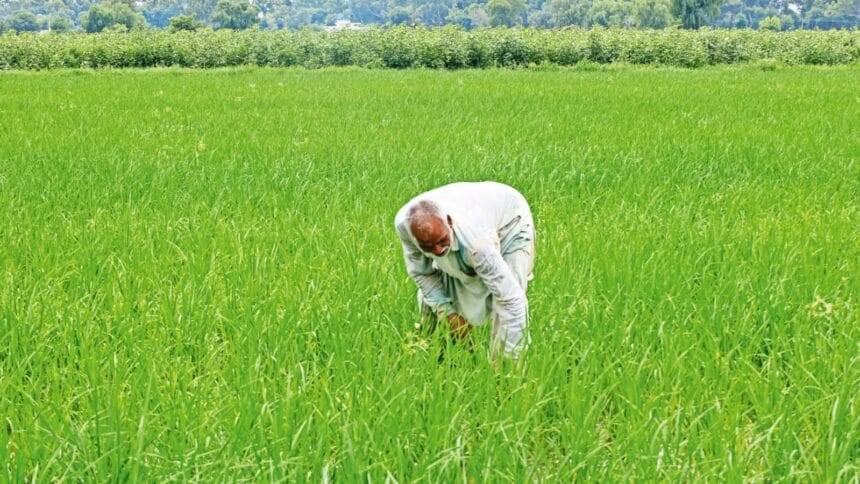
परंपरागत रूप से किसान धान की कटाई मैन्युअल रूप से करते हैं – जिससे कोई ठूंठ नहीं निकलता है और यह एक पर्यावरण-अनुकूल तरीका भी है। कटाई के दौरान खेत मजदूर एक खेत से दूसरे खेत में जाते रहते हैं। पंजाब और हरियाणा के अलावा, धान की कटाई आमतौर पर हाथ से की जाती है। उत्तरी राज्यों में कटाई की छोटी अवधि का मतलब है कि सभी धान किसानों को लगभग एक ही समय में श्रमिकों की आवश्यकता होती है। इस प्रकार अधिकांश लोगों के लिए श्रम दुर्लभ, महँगा और अप्राप्य हो जाता है। परिणामस्वरूप, किसान धान की फसल काटने के लिए मशीनों का उपयोग करते हैं। यांत्रिक कटाई से खेत में लगभग दो फुट का डंठल रह जाता है जिसे अगली फसल के लिए खेत साफ करने के लिए तेजी से जलाना पड़ता है। यांत्रिक कटाई और मल प्रबंधन के लिए प्रति एकड़ लगभग 4,000 रुपये की आवश्यकता होती है, जो अधिकांश किसानों के लिए वहन करने योग्य नहीं है। वे पराली जलाने को विवश हैं।
पराली जलाना पर्यावरण की दृष्टि से हानिकारक है। इससे नाइट्रोजन, फास्फोरस, सल्फर, पोटेशियम और अन्य सूक्ष्म पोषक तत्वों की कमी हो जाती है जो मिट्टी के स्वास्थ्य के लिए आवश्यक हैं। अगले फसल चक्र के लिए इन पोषक तत्वों की पूर्ति करनी होगी। हम बड़ी मात्रा में इन रासायनिक उर्वरकों का आयात करते हैं। इसलिए, पराली जलाने का एक परिणाम आयात बिल में वृद्धि है। इस अभ्यास से हानिकारक ग्रीनहाउस गैसें भी निकलती हैं। जलाने की प्रक्रिया में केंचुए और अन्य उपयोगी कीड़े-मकोड़े मर जाते हैं, जिससे मिट्टी की गुणवत्ता और भी ख़राब हो जाती है।
सबसे पर्यावरण-अनुकूल समाधान धान की कटाई हाथ से करना है। हाथ से कटाई और मड़ाई के बाद बचे अवशेषों का उपयोग चारे के रूप में किया जाता है। एक भाग सर्दियों में जानवरों के लिए बिस्तर के रूप में भी रखा जाता है।
किसानों को मैन्युअल रूप से धान की कटाई करने और उसके बाद पराली का प्रबंधन करने के लिए प्रोत्साहित करने के लिए, सरकारों को उन्हें ऐसा करने में आने वाली लागत का भुगतान करना चाहिए – लगभग 4,000 रुपये प्रति एकड़। इस बदलाव को आंशिक रूप से वित्तपोषित करने के लिए मनरेगा निधि का उपयोग किया जा सकता है। यदि मजदूरों को अच्छा भुगतान किया जाता है, तो उनमें से बड़ी संख्या में अक्टूबर के आसपास पंजाब और हरियाणा की ओर पलायन करने की संभावना है, जैसा कि वे हर साल जून-जुलाई में बुआई के समय करते हैं। इससे ग्रामीण बेरोजगारी की समस्या भी आंशिक रूप से कम होगी।
किसानों को दंडित करना और महंगी जीवाश्म ईंधन खपत करने वाली मशीनों पर सब्सिडी देना एनसीआर के प्रदूषण संकट का समाधान नहीं होना चाहिए। अतीत में, सरकारों ने देश की खाद्य सुरक्षा सुनिश्चित करने के लिए किसानों को गेहूं और धान की खेती की ओर प्रेरित किया। किसानों को कानूनी गारंटी के साथ फसल विविधीकरण की ओर प्रेरित किया जा सकता है एमएसपी और मोटे अनाज, तिलहन और दलहन जैसी अन्य फसलों की खरीद का आश्वासन दिया। इससे पंजाब और हरियाणा में पानी की अधिक खपत करने वाली फसलों का रकबा कम हो जाएगा और वनस्पति तेलों में आत्मनिर्भरता भी सुनिश्चित होगी। भारत अपनी खाद्य तेल आवश्यकताओं का लगभग 60 प्रतिशत आयात करता है। 2021-22 में, हमने वनस्पति तेलों के आयात पर लगभग 19 बिलियन डॉलर की विदेशी मुद्रा खर्च की।
मैन्युअल कटाई की ओर लौटने से पानी की बचत होगी और प्रदूषण पर अंकुश लगेगा। दूसरे शब्दों में, किसानों को मैन्युअल कटाई पर स्विच करने के लिए भुगतान करने का लाभ दिल्ली-एनसीआर की वायु गुणवत्ता में सुधार से कहीं अधिक है। हर साल वैश्विक जलवायु परिवर्तन बैठकों में वार्ताकार जलवायु परिवर्तन से लड़ने और कार्बन उत्सर्जन को नियंत्रित करने के लिए खरबों डॉलर खर्च करने की बात करते हैं। शत-प्रतिशत हाथ से धान की कटाई सुनिश्चित करने के लिए किसानों को कुछ हजार करोड़ रुपये का भुगतान करके शुरुआत करना सार्थक होगा।
लेखक किसान शक्ति संघ के अध्यक्ष हैं
Complete News In English(पूरी खबर – अंग्रेज़ी में)
On Wednesday, the Supreme Court reprimanded the central government, as well as the governments of Delhi and its neighboring states, for failing to take strict action against farmers who burn crop residue. The court referred to Article 21 of the Constitution, emphasizing that people have the right to live in a pollution-free environment. While incidents of field burning have decreased in recent years, governments continue to view punitive measures as a solution, without understanding why farmers set fire to crop leftovers. Courts have also blamed agricultural practices for pollution.
Besides crop burning, the main sources of pollution in the Delhi-NCR region include local traffic, industry, construction activities, road cleaning, and local biomass burning. Government data indicates that during this time, crop burning contributes between 5 to 30 percent to the pollution load in NCR, with the highest incidents occurring in Punjab and Haryana.
The root of the problem lies in the Subsoil Water Conservation Act passed by the governments of Punjab and Haryana in 2009, which prohibits the cultivation of rice before mid-June. The goal is to ensure timely planting close to the monsoon while conserving groundwater. However, this results in a delay in harvesting. Farmers traditionally have about four to six weeks to sow their next crop, primarily wheat. Over the past 15 years, this time frame has significantly decreased.
Farmers usually harvest rice manually, leaving no stubble behind, which is an environmentally friendly method. However, due to a shortage of labor, especially during the brief harvesting period, farmers resort to using machines. Mechanical harvesting leaves around two feet of stubble in the field, which farmers quickly burn to clear the land for the next crop. The cost of mechanical harvesting and residue management is around ₹4,000 per acre, which most farmers cannot afford, forcing them to burn the residue.
Burning crop residue is harmful to the environment, leading to a loss of essential nutrients like nitrogen, phosphorus, sulfur, and potassium in the soil, necessitating the import of chemical fertilizers. Additionally, this practice releases harmful greenhouse gases and kills earthworms and beneficial insects, further degrading soil quality.
The most environmentally friendly solution is for farmers to harvest rice manually. After harvesting, the leftover residue can be used as animal fodder or bedding for livestock during winter.
To encourage farmers to manually harvest rice and manage crop residue, the government should compensate them for the costs incurred—approximately ₹4,000 per acre. MGNREGA funds could be used to partially finance this shift. If laborers are paid well, many may migrate to Punjab and Haryana around October for harvesting, helping to alleviate rural unemployment.
Punishing farmers and subsidizing machines that consume expensive fossil fuels is not the solution to the pollution crisis in NCR. In the past, governments have incentivized farmers to grow wheat and rice to ensure national food security. Farmers can be legally guaranteed support for crop diversification and assured procurement of alternative crops like coarse grains, oilseeds, and pulses. This would reduce the area under water-intensive crops in Punjab and Haryana and ensure self-sufficiency in edible oils, as India imports nearly 60 percent of its edible oil needs.
Shifting back to manual harvesting would save water and help control pollution. In other words, paying farmers to switch to manual harvesting would benefit Delhi-NCR’s air quality far more than the cost itself. At global climate change meetings, negotiators discuss spending trillions of dollars to combat climate change and control carbon emissions. Starting with a few thousand crores to ensure complete manual rice harvesting would be a meaningful step forward.
Author is the President of the Kisan Shakti Sangh.