


Main Points In Hindi (मुख्य बातें – हिंदी में)
-
प्रवासन और प्राकृतिक आपदाएँ: नेपाल में प्रवासन मुख्य रूप से बेहतर अवसरों की खोज में होता है, लेकिन हाल के वर्षों में जलवायु परिवर्तन के कारण प्राकृतिक आपदाएँ जैसे बाढ़ और भूस्खलन ने ग्रामीण परिवारों को विस्थापित होने के लिए मजबूर किया है। इसका असर स्थानीय कृषि और अर्थव्यवस्था पर गहरा है।
-
कृषि पर संकट: नेपाल का कृषि क्षेत्र लगभग 60% जनसंख्या को रोजगार देता है, फिर भी किसान गरीबी से जूझ रहे हैं। जलवायु परिवर्तन के कारण अस्थिर मौसम और फसल नुकसान ने कृषि की उत्पादकता को प्रभावित किया है, जिससे किसानों की आजीविका पर संकट आ गया है।
-
आंतरिक विस्थापन और जल संकट: जलवायु परिवर्तन के प्रभावों के कारण आंतरिक विस्थापन में वृद्धि हो रही है, जिससे किसानों को अपने घरों और आजीविका को छोड़ने के लिए मजबूर होना पड़ रहा है। साथ ही, जल संसाधनों का सूखना बढ़ता हुआ चिंता का विषय बन गया है।
-
सामाजिक और आर्थिक प्रभाव: जलवायु परिवर्तन के प्रभाव केवल पर्यावरणीय नहीं हैं, बल्कि इसके गहरे सामाजिक और आर्थिक प्रभाव हैं। इसके कारण संसाधनों की कमी, खाद्य असुरक्षा और सामाजिक संघर्षों में वृद्धि हो रही है, जिससे ग्रामीण समुदायों की स्थिरता और सुरक्षा खतरे में है।
- उपाय और नीतियाँ: जलवायु परिवर्तन के प्रभावों को कम करने के लिए प्रभावी नीतियों की आवश्यकता है, जो कमजोर समुदायों की सुरक्षा के साथ-साथ कृषि बुनियादी ढांचे को मजबूत करने, आजीविका में विविधता लाने और आपदा तैयारियों में सुधार की दिशा में काम करेगी।
Main Points In English(मुख्य बातें – अंग्रेज़ी में)
Here are the main points extracted from the provided text:
-
Impact of Migration on Nepal: Migration has been a significant aspect of Nepal’s socio-economic landscape, where rural populations are increasingly moving to urban areas in search of better opportunities. However, recent trends indicate that many people are being forced to leave their homes due to challenging conditions, particularly natural disasters exacerbated by climate change.
-
Agricultural Vulnerability: Despite agriculture employing about 60% of Nepal’s population, many farmers struggle with poverty and inadequate earnings. The sector is highly dependent on weather patterns, which have become inconsistent, leading to increased uncertainty and vulnerability for rural farmers.
-
Natural Disasters and Economic Losses: The rise in floods and landslides due to climate change has caused significant economic harm to Nepal’s agricultural sector. For instance, the devastating floods in October 2024 incurred losses exceeding 6 billion Nepali Rupees, and displaced numerous families, compounding the ongoing crisis for affected communities.
-
Glacial Melting and Internal Displacement: Glacial melting, highlighted by events such as the Chamuje glacier collapse, poses severe risks, leading to destructive floods and landslides. This upheaval directly impacts agricultural land and resources, forcing rural communities to relocate and abandon their traditional livelihoods.
- Water Resource Depletion: Nepal is facing a critical water crisis, with studies indicating a significant decline in local water sources. This exacerbates problems related to irrigation and drinking water supply, further endangering agricultural productivity and leading to social unrest over resource scarcity. The worsening situation underscores the urgent need for sustainable water management and disaster preparedness efforts.

Complete News In Hindi(पूरी खबर – हिंदी में)
प्रवासन लंबे समय से नेपाल के सामाजिक-आर्थिक परिदृश्य की एक परिभाषित विशेषता रही है, जिसमें ग्रामीण आबादी बेहतर अवसरों की तलाश में शहरों की ओर जा रही है। बेहतर बुनियादी ढाँचा, शिक्षा, स्वास्थ्य सेवा और अन्य सुविधाएँ प्रदान करने वाले शहरी क्षेत्र हमेशा गाँवों के लोगों को आकर्षित करते रहे हैं। हालाँकि, हाल के वर्षों में प्रवासन के रुझान से संकेत मिलता है कि बढ़ती चुनौतीपूर्ण परिस्थितियों, मुख्य रूप से प्राकृतिक आपदाओं के कारण लोगों को अपने घर छोड़ने के लिए मजबूर होना पड़ रहा है। लगातार बाढ़ और भूस्खलन सहित जलवायु परिवर्तन के विनाशकारी प्रभाव, ग्रामीण परिवारों को अन्यत्र शरण लेने के लिए मजबूर कर रहे हैं।
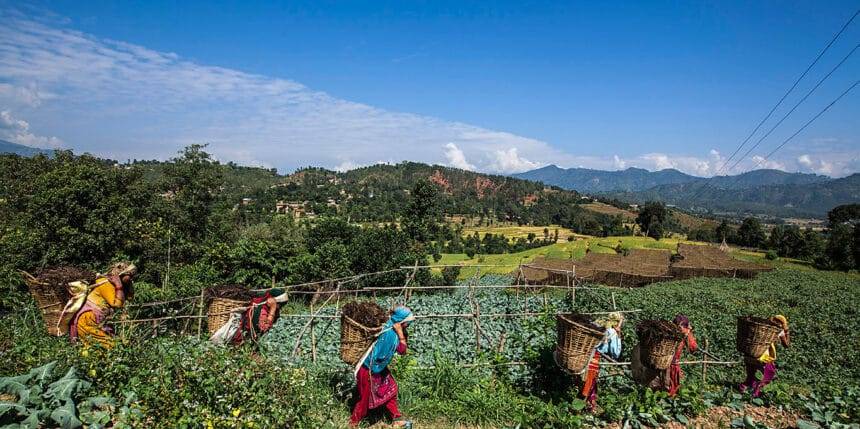
नेपाल का कृषि क्षेत्र लगभग 60 प्रतिशत आबादी को रोजगार देता है, फिर भी अधिकांश किसान गरीबी से जूझते हैं, और सभ्य जीवन स्तर बनाए रखने के लिए पर्याप्त कमाई करने में असमर्थ हैं। निर्वाह खेती पर उनकी निर्भरता उन्हें छोटे-मोटे व्यवधानों के प्रति भी संवेदनशील बना देती है। नेपाल में कृषि काफी हद तक मौसम के मिजाज पर निर्भर करती है, जो या तो फसल को बढ़ावा दे सकती है या नष्ट कर सकती है। हालांकि इस साल समय पर आए मानसून ने किसानों को समय पर धान बोने की अनुमति दी, लेकिन पिछले कुछ वर्षों में मौसम के असंगत पैटर्न ने उन्हें भविष्य की फसल के बारे में अनिश्चित बना दिया है। हालाँकि नेपाल वैश्विक कार्बन उत्सर्जन में 128वें स्थान पर है, लेकिन यह जलवायु परिवर्तन के प्रभावों के प्रति चिंताजनक रूप से संवेदनशील है, और जलवायु जोखिम की वैश्विक रैंकिंग में चौथे स्थान पर है। इस असमानता ने लाखों किसानों की आजीविका को खतरे में डाल दिया है, क्योंकि अनियमित मौसम के मिजाज से कृषि उपज बाधित होती है।
जलवायु परिवर्तन के कारण बढ़ी बाढ़ और भूस्खलन, हर साल नेपाल की अर्थव्यवस्था और कृषि क्षेत्र को महत्वपूर्ण नुकसान पहुंचाते हैं। अक्टूबर 2024 में, भारी बारिश के कारण विनाशकारी बाढ़ आई, जिसमें दो दिनों की बारिश वार्षिक औसत से अधिक हो गई। इस बाढ़ से देश भर में धान के खेत जलमग्न हो गए, जिसके परिणामस्वरूप कृषि जिंसों में 6 अरब रुपये से अधिक का नुकसान हुआ। भूस्खलन ने तबाही को और बढ़ा दिया, सड़कें अवरुद्ध हो गईं और खराब होने वाले सामान को सड़ने के लिए छोड़ दिया। किसानों को अब इस बात को लेकर अनिश्चितता का सामना करना पड़ रहा है कि प्रभावित खेत भविष्य में खेती योग्य होंगे या नहीं। कई अन्य आपदाओं की तरह, अक्टूबर की बाढ़ ने अनगिनत परिवारों को विस्थापन के करीब धकेल दिया है।
अगस्त 2024 में, चोमुचे ग्लेशियर के टूटने से अचानक आई बाढ़ ने सोलुखुम्बु जिले के थामे गांव को तबाह कर दिया। सभी 55 घर प्रभावित हुए, घर, पशुधन और कृषि भूमि बह गई। नेपाल के 21 “संभावित खतरनाक” ग्लेशियरों द्वारा उत्पन्न गंभीर चुनौतियों को दर्शाते हुए, ग्रामीणों को स्थानांतरित करने के लिए मजबूर होना पड़ा। एक भी हिमनदी विस्फोट से बड़े पैमाने पर बाढ़ और भूस्खलन हो सकता है, फसलें नष्ट हो सकती हैं, पोषक तत्वों से भरपूर ऊपरी मिट्टी बह सकती है और सिंचाई से समझौता हो सकता है। जैसे-जैसे हिमनदों का पिघलना तेज़ होता है, उपजाऊ मिट्टी का नुकसान – जो कृषि के लिए एक महत्वपूर्ण संसाधन है – किसानों को अपनी आजीविका बनाए रखने में असमर्थ बना देता है, जिससे उन्हें पूरी तरह से खेती छोड़ने और वैकल्पिक व्यवसायों की तलाश करने के लिए मजबूर होना पड़ता है।
तराई क्षेत्र, जिसे अक्सर नेपाल की कृषि टोकरी कहा जाता है, विशेष रूप से जलवायु परिवर्तन से प्रभावित है। यह उपजाऊ मैदान नेपाल के भोजन का एक तिहाई से अधिक उत्पादन करता है, लेकिन लंबे समय तक सूखा और अनियमित मानसून इसकी उत्पादकता को कम कर रहा है। क्षेत्र की 80 प्रतिशत से अधिक वर्षा मानसून के मौसम के दौरान होती है, लेकिन हाल के वर्षों में अधिक तीव्र बारिश और लंबे समय तक सूखा देखा गया है। ग्लोबल साइंटिफिक जर्नल में प्रकाशित 2019 के एक अध्ययन के अनुसार, चितवन, रौतहट और कैलाली जैसे जिलों में शीतकालीन वर्षा में 51 प्रतिशत की कमी आई है। इसने समुदायों को पानी के लिए गहरी खुदाई करने के लिए मजबूर कर दिया है, जिससे जल स्तर और भी कम हो गया है। लंबे समय तक सूखे ने प्राकृतिक संसाधनों पर सामाजिक संघर्षों को भी तेज कर दिया है, जैसा कि 2017 में ओवरसीज डेवलपमेंट इंस्टीट्यूट द्वारा रिपोर्ट किया गया है।
प्राकृतिक आपदाओं की बढ़ती आवृत्ति के कारण आंतरिक विस्थापन में तीव्र वृद्धि हुई है। आंतरिक विस्थापन पर वैश्विक रिपोर्ट (2021) के अनुसार, जून और सितंबर 2020 के बीच नेपाल में 48,000 लोग विस्थापित हुए। 2023 तक यह संख्या दोगुनी से अधिक 110,000 हो गई। अधिकांश विस्थापित व्यक्ति किसान और दिहाड़ी मजदूर हैं जो जलवायु-प्रेरित आपदाओं से असमान रूप से प्रभावित होते हैं। अन्य व्यवसायों के विपरीत, खेती पर्यावरणीय परिवर्तनों के प्रति अत्यधिक संवेदनशील है, जिससे इस पर निर्भर लोग अत्यधिक असुरक्षित हो जाते हैं। सीमित वित्तीय संसाधन और पुनर्वास की उच्च लागत अक्सर विस्थापित किसानों के लिए अपनी पिछली आजीविका में वापस लौटना असंभव बना देती है।
वैश्विक स्तर पर, जलवायु परिवर्तन ने लाखों लोगों को विस्थापित किया है, संयुक्त राष्ट्र शरणार्थी उच्चायुक्त (यूएनएचसीआर) ने 2010 के बाद से सालाना 21.5 मिलियन जलवायु-संबंधी विस्थापन की रिपोर्ट दी है। अकेले 2022 में, जलवायु आपदाओं ने 36.2 मिलियन लोगों को विस्थापित किया है, यह संख्या 2050 तक दोगुनी होने का अनुमान है। इंटरनेशनल फेडरेशन ऑफ रेड क्रॉस एंड रेड क्रिसेंट सोसाइटीज़ (आईएफआरसी)। सीरिया में चल रहा संकट एक सतर्क कहानी के रूप में कार्य करता है। एक समय उपजाऊ कृषि केंद्र रहा सीरिया अब गंभीर सूखे और संसाधनों की कमी का सामना कर रहा है। वहां के किसानों को पानी खोजने के लिए अब 700 मीटर से अधिक की खुदाई करनी पड़ती है, जबकि पहले केवल 60-70 मीटर की दूरी तय करनी पड़ती थी। इस पर्यावरणीय गिरावट ने 2013 तक 2 मिलियन से अधिक किसानों को विस्थापित कर दिया और संघर्षों को बढ़ावा देना जारी रखा, जिससे ऐसी स्थितियाँ पैदा हुईं जहाँ शरणार्थी युद्ध समाप्त होने पर भी वापस लौटने के लिए अनिच्छुक हैं।
नेपाल में जल संसाधनों का सूखना चिंताजनक स्तर पर पहुंच गया है। आरडब्ल्यूएसएसपी-डब्ल्यूएन (2004-2014) द्वारा किए गए अध्ययनों से पता चला कि इस अवधि के दौरान तनाहुन जिले में 50% जल स्रोत सूख गए। इसी तरह, मेलाम्ची में 2017 के एक अध्ययन में पिछले दशक की तुलना में स्थानीय झरने के पानी की मात्रा में 30 प्रतिशत की गिरावट दर्ज की गई। यह प्रवृत्ति देश भर में देखी जा रही है, जिससे पीने और सिंचाई दोनों के लिए पानी की उपलब्धता को लेकर चिंता बढ़ गई है। 2024 में, गंभीर जल संकट के विरोध में सरलाही जिले के निवासी 23 दिनों तक पैदल चलकर काठमांडू पहुंचे। उनकी दुर्दशा पानी की कमी को असहनीय होने से पहले संबोधित करने की बढ़ती तात्कालिकता को रेखांकित करती है।
नेपाल के किसान पहले से ही बाढ़, भूस्खलन और सूखे जैसी जलवायु-प्रेरित चुनौतियों से जूझ रहे हैं, लेकिन कीटों के प्रकोप और फसल रोगों जैसे नए खतरों के उभरने से स्थिति और खराब होने की संभावना है। बढ़ते वैश्विक तापमान ने बढ़ती परिस्थितियों को बदल दिया है, जिससे संभावित रूप से उन क्षेत्रों में बड़े पैमाने पर फसल बर्बाद हो गई है जो कभी अत्यधिक उत्पादक थे। अपनी आर्थिक लचीलापन पहले से ही कमजोर होने के कारण, नेपाली किसान इन बढ़ती चुनौतियों से निपटने के लिए तैयार नहीं हैं। नतीजतन, कई लोग शहरी क्षेत्रों या विदेश में काम की तलाश में अपने घरों और आजीविका को छोड़ने के लिए मजबूर हो जाएंगे।
जलवायु परिवर्तन के प्रभाव केवल पर्यावरणीय नहीं हैं – उनके गहरे सामाजिक और आर्थिक प्रभाव हैं। चूंकि नेपाल बढ़ते विस्थापन, संसाधन संघर्ष और खाद्य असुरक्षा का सामना कर रहा है, इसलिए जलवायु परिवर्तन के प्रभाव को कम करने के लिए तत्काल कार्रवाई की आवश्यकता है। कमजोर समुदायों की सुरक्षा के लिए तत्काल और दीर्घकालिक दोनों जरूरतों को पूरा करने वाली व्यापक नीतियां आवश्यक हैं। कृषि बुनियादी ढांचे को मजबूत करना, आजीविका में विविधता लाना और आपदा तैयारियों में सुधार से लचीलापन बनाने में मदद मिल सकती है। इन उपायों के बिना, विस्थापन और आर्थिक कठिनाई का चक्र और गहरा होगा, जिससे नेपाल के ग्रामीण समुदायों की स्थिरता और स्थिरता को खतरा होगा।
Complete News In English(पूरी खबर – अंग्रेज़ी में)
Migration has long been a key feature of Nepal’s social and economic landscape, with rural populations moving to cities in search of better opportunities. Urban areas, offering better infrastructure, education, healthcare, and other amenities, have consistently attracted people from the countryside. However, recent migration trends indicate that increasing challenges, mainly due to natural disasters, are forcing people to leave their homes. The destructive effects of climate change, including frequent floods and landslides, are compelling rural families to seek refuge elsewhere.
The agricultural sector in Nepal employs nearly 60% of the population, yet most farmers struggle with poverty and are unable to earn enough to maintain a decent standard of living. Their reliance on subsistence farming makes them vulnerable to even minor disruptions. Agriculture in Nepal is heavily dependent on the weather, which can either boost or destroy crops. While this year’s timely monsoon allowed farmers to plant rice on schedule, inconsistent weather patterns in recent years have made them uncertain about future harvests. Despite being ranked 128th in global carbon emissions, Nepal is alarmingly sensitive to the impacts of climate change and ranks fourth in global climate risk. This inequality endangers the livelihoods of millions of farmers as irregular weather disrupts agricultural production.
Climate change has led to increased flooding and landslides, causing significant damage to Nepal’s economy and agricultural sector each year. In October 2024, heavy rainfall triggered devastating floods, with rainfall exceeding the annual average in just two days. This flood submerged rice fields across the country, resulting in over 6 billion rupees worth of agricultural losses. Landslides exacerbated the disaster, blocking roads and leaving perishable goods to rot. Farmers now face uncertainty about whether the affected fields will be arable in the future. Like many other disasters, the October floods pushed countless families closer to displacement.
In August 2024, a glacial burst from the Chomolungma Glacier caused sudden flooding that devastated Thame village in the Solukhumbu district. All 55 homes were impacted, with houses, livestock, and farmland washed away. This highlights the severe challenges posed by 21 “potentially dangerous” glaciers in Nepal, forcing residents to relocate. A single glacial burst can cause massive flooding and landslides, destroying crops, washing away nutrient-rich topsoil, and compromising irrigation. As glaciers melt faster, the loss of fertile soil—a vital resource for agriculture—makes it difficult for farmers to sustain their livelihoods, compelling them to abandon farming altogether and seek alternative livelihoods.
The Terai region, often referred to as Nepal’s agricultural basket, is particularly impacted by climate change. This fertile plain produces over a third of Nepal’s food but is increasingly affected by prolonged droughts and unpredictable monsoons, reducing productivity. More than 80% of the region’s rainfall occurs during the monsoon season; however, recent years have seen more intense rainfall and prolonged dry spells. A 2019 study published in the Global Scientific Journal found a 51% decrease in winter rainfall in districts like Chitwan, Rautahat, and Kailali. As a result, communities are forced to dig deeper for water, further lowering water levels. Prolonged drought has also intensified social conflicts over natural resources, as reported by the Overseas Development Institute in 2017.
The increasing frequency of natural disasters has led to a sharp rise in internal displacement. According to the Global Report on Internal Displacement (2021), 48,000 people were displaced in Nepal between June and September 2020. By 2023, this number more than doubled to 110,000. Most displaced individuals are farmers and day laborers disproportionately affected by climate-induced disasters. Unlike other professions, farming is highly sensitive to environmental changes, putting those who depend on it at extreme risk. Limited financial resources and high rehabilitation costs often make it impossible for displaced farmers to return to their previous livelihoods.
Globally, climate change has displaced millions. The United Nations High Commissioner for Refugees (UNHCR) has reported an annual average of 21.5 million climate-related displacements since 2010. In 2022 alone, climate disasters displaced 36.2 million people, a number projected to double by 2050. The ongoing crisis in Syria serves as a cautionary tale. Once a fertile agricultural hub, Syria now faces severe drought and resource scarcity, forcing farmers to dig over 700 meters for water instead of the previous 60-70 meters. This environmental degradation displaced over 2 million farmers by 2013 and continues to fuel conflict, creating situations where refugees are reluctant to return even after the war ends.
Water resources in Nepal have reached critical levels. Studies by RWSSE-WN (2004-2014) indicated that 50% of water sources in Tanahun district dried up during this period. Similarly, a 2017 study in Melamchi recorded a 30% decrease in the volume of local spring water compared to the previous decade. This trend is evident nationwide, raising concerns about water availability for both drinking and irrigation. In 2024, residents of Sarlahi district marched for 23 days to Kathmandu in protest against the severe water crisis. Their plight underscores the urgent need to address water shortages before they become unbearable.
Nepalese farmers are already grappling with climate-induced challenges like floods, landslides, and droughts, but the emergence of new threats such as pests and crop diseases may worsen the situation. Rising global temperatures have altered conditions that could lead to significant crop loss in areas that were once highly productive. With their economic resilience already weakened, Nepali farmers are ill-equipped to confront these growing challenges. As a result, many people will be forced to leave their homes and livelihoods in search of work in urban areas or abroad.
The impact of climate change is not only environmental; it also has deep social and economic repercussions. As Nepal faces increasing displacement, resource conflicts, and food insecurity, urgent action is needed to mitigate the effects of climate change. Comprehensive policies that address both immediate and long-term needs to protect vulnerable communities are essential. Strengthening agricultural infrastructure, diversifying livelihoods, and improving disaster preparedness can help build resilience. Without these measures, the cycle of displacement and economic hardship will deepen, threatening the sustainability and stability of Nepal’s rural communities.