


Main Points In Hindi (मुख्य बातें – हिंदी में)
यहां पर दिए गए पाठ के मुख्य बिंदु हिंदी में प्रस्तुत हैं:
-
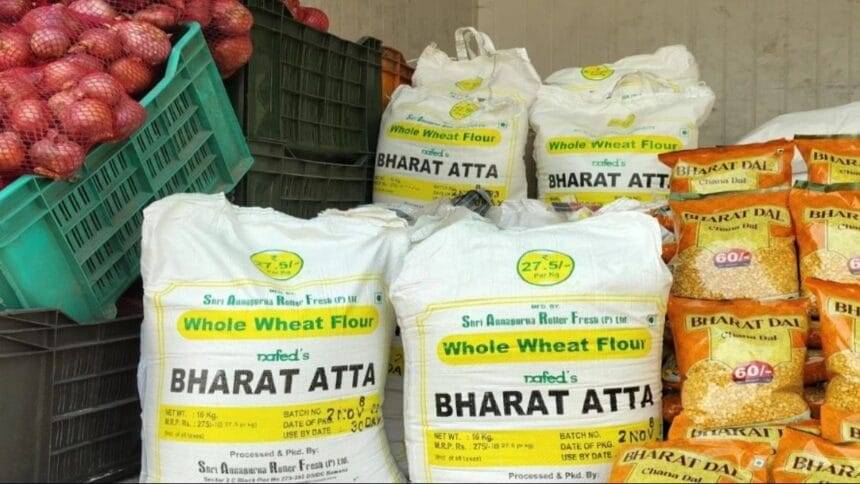
सार्वजनिक वितरण प्रणाली: केंद्रीय सरकार ‘भारत’ ब्रांड का आटा, चावल और दालों की बिक्री को फिर से शुरू करने की योजना बना रही है, जिसमें गृह मंत्री अमित शाह की अध्यक्षता में मूल्य निर्धारण समिति एक हफ्ते के भीतर अधिकतम खुदरा मूल्य (MRP) का निर्णय लेगी।
-
उच्च मूल्य प्रस्ताव: 10 किलोग्राम का आटा ₹275 से ₹300 के बीच और 10 किलोग्राम का चावल ₹295 से ₹320 के बीच बेचा जा सकता है। चना दाल की कीमत ₹60 से ₹70 प्रति किलोग्राम और विभिन्न दालों के लिए अलग-अलग मूल्य तय किए जा सकते हैं।
-
सरकारी रणनीति: सरकार का उद्देश्य सरकारी भंडार से चावल को यथासंभव वितरित करना है, ताकि नए गेंहू की फसल के लिए गोदाम की जगह खाली की जा सके। इस दौरान धान की उच्च मात्रा के स्टॉक को उपयोग में लाने की आवश्यकता है।
-
ई-नीलामी से बिक्री: सरकार ने पहले से ही साप्ताहिक ई-नीलामी के माध्यम से चावल की बिक्री शुरू कर दी है, जिससे एक लाख टन से अधिक चावल की खरीद की जा चुकी है। उपभोक्ता सहकारी संघ NCCF सोमवार को एक ई-नीलामी आयोजित करने की योजना बना रहा है।
- गेहूं की कीमत: सरकार ने उपभोक्ताओं के लिए गेहूं की दर ₹2,300 प्रति क्विंटल तय की है। सहकारी समितियों को आटे की बिक्री के लिए सब्सिडी लेने की आवश्यकता हो सकती है, जिससे उन्हें सही मूल्य पर अनाज प्राप्त करने में मदद मिलेगी।
Main Points In English(मुख्य बातें – अंग्रेज़ी में)
Here are the main points regarding the potential resumption of the ‘Bharat’ brand flour, rice, and pulses sales by the central government:

-
Upcoming Pricing Decision: The pricing committee, led by Home Minister Amit Shah, is expected to finalize the maximum retail prices (MRP) for ‘Bharat’ brand products within a week, with proposals indicating an increase in rates.
-
Proposed Pricing: The anticipated price range for key products includes Rs 275 to Rs 300 for a 10 kg bag of flour, Rs 295 to Rs 320 for a 10 kg bag of rice, and Rs 60 to Rs 70 per kg for gram dal. Prices for different varieties of dal are also listed, with moong dal at Rs 107 per kg and lentils at Rs 89 per kg.
-
Reason for Resuming Sales: The government aims to distribute leftover rice from official stocks without incurring significant subsidy costs, as there is an urgent need to clear warehouse space for the new wheat crop that will be harvested in the 2024-25 marketing year.
-
Auction and Sales Mechanism: The government has begun selling rice through weekly e-auctions, successfully selling over one lakh tonnes this financial year, with specific participation rules for bidders regarding contracts and payments.
- Direct Consumer Sales Pricing: The price for wheat has been set at Rs 2,300 per quintal for direct sales, with some cooperative societies potentially needing to apply for subsidies to cover the costs associated with flour processing and distribution.
Complete News In Hindi(पूरी खबर – हिंदी में)
केंद्र सरकार जल्द ही ‘भारत’ ब्रांड के आटे, चावल और दालों की बिक्री फिर से शुरू कर सकती है। गृह मंत्री अमित शाह की अध्यक्षता में कीमत निर्धारण समिति एक सप्ताह में अधिकतम खुदरा मूल्य (MRP) पर निर्णय लेने की संभावना है। लेकिन यह जानकारी मिली है कि कीमतें बढ़ाने का प्रस्ताव है। इस बार 10 किलो आटे की बोरी की कीमत 275 से 300 रुपए और 10 किलो चावल की बोरी की कीमत 295 से 320 रुपए हो सकती है। वहीं, चना दाल 60 से 70 रुपए प्रति किलो के आसपास बिकने की संभावना है।
सूचनाओं के अनुसार, भारत दाल (मोती) का MRP 107 रुपए प्रति किलो और भारत दाल (मसूर) का MRP 89 रुपए प्रति किलो हो सकता है। फरवरी में सरकार ने 5 किलो और 10 किलो के पैकों में भारत चावल 29 रुपए प्रति किलो पर बेचना शुरू किया था। नवंबर 2023 में भारत आटे की बिक्री 275 रुपए प्रति 10 किलो की बोरी पर शुरू हुई थी। लेकिन जून में चावल और आटे की बिक्री बंद कर दी गई थी। सूत्रों ने कहा कि सरकार चाहती है कि अधिक से अधिक चावल सरकारी भंडार से वितरित किया जा सके, बिना ज्यादा सब्सिडी खर्च किए। केंद्रीय पूल में स्टॉक्स बहुत अधिक हैं और 2024-25 विपणन वर्ष (सितंबर) के लिए नई खरीदारी पहले ही शुरू हो चुकी है। इसलिए, नए गेहूं की फसल को संग्रहीत करने के लिए अगले छह महीनों में गोदाम की जगह खाली करने की जरूरी है।
ई-नीलामी के माध्यम से चावल की बिक्री शुरू
बिजनेस लाइन की एक रिपोर्ट के अनुसार, सरकार पहले ही साप्ताहिक ई-नीलामी के माध्यम से चावल बेचना शुरू कर चुकी है, जिससे इस वित्तीय वर्ष में एक लाख टन से अधिक चावल खरीदा जा चुका है। इसी बीच, उपभोक्ता सहकारी संस्था NCCF सोमवार को एक ई-नीलामी आयोजित करने जा रही है। नोटिस में कहा गया है कि केवल वे बोलीदाता जिनके पास अनुबंध नोट की सही तरीके से साइन की हुई कॉपी है, उन्हें नीलामी में भाग लेने की अनुमति होगी। इसमें यह भी कहा गया है कि गेहूं का कच्चा माल (FCI से) 100 प्रतिशत अग्रिम राशि जमा करने पर ही जारी किया जाएगा और इसके लिए कच्चे माल की लागत 2,065 रुपए प्रति क्विंटल मानी जाएगी।
गेहूं की कीमत 2,300 रुपए प्रति क्विंटल तय
सरकार ने पहले ही NCCF और अन्य सहकारी societies को उपभोक्ताओं को सीधे बेचे जाने वाले गेहूं की कीमत 2,300 रुपए प्रति क्विंटल तय कर दी है। एक अधिकारी ने बताया कि आटे के मामले में सहकारी societies को PSF से प्रति क्विंटल 235 रुपए की सब्सिडी लेनी पड़ सकती है। एक उपभोक्ता सहकारी संस्था के अधिकारी ने कहा कि उनका संगठन बिक्री योजना के लिए तैयार है। उन्होंने कहा कि हमारे विक्रेताओं को भी इस बारे में सूचित कर दिया गया है, क्योंकि उन्हें FCI के गोदामों से अनाज को प्रोसेसिंग और पैकिंग के लिए लेना होगा।
इसके अलावा पढ़ें- पंजाब में रबी फसलों के लिए DAP का संकट हो सकता है, मांग की तुलना में कम आवंटन किसानों की समस्याओं को बढ़ा रहा है।
Complete News In English(पूरी खबर – अंग्रेज़ी में)
The central government may soon resume the sale of ‘Bharat’ brand flour, rice and pulses, as the pricing committee headed by Home Minister Amit Shah is expected to take a decision on the maximum retail price (MRP) in a week. Is. However, it has been learned that there is a proposal to increase the rates. This time a 10 kg bag of flour can cost between Rs 275 to Rs 300 and a 10 kg bag of rice can cost between Rs 295 to Rs 320. At the same time, gram dal is said to be sold at Rs 60 to Rs 70 per kg.
Sources said that Bharat Dal (Moong) is likely to be sold with MRP of Rs 107 per kg and Bharat Dal (Lentils) with MRP of Rs 89 per kg. In February, the government started selling Bharat Rice in 5 kg and 10 kg packs at Rs 29 per kg. Sale of Bharat flour started in November 2023 at Rs 275 per 10 kg bag. But the sale of rice and flour was stopped in June. Sources said the government wants to distribute as much rice as possible from the official stock without spending much on subsidies. Since the stocks in the central pool are quite high and fresh procurement for the 2024-25 marketing year (September) has already started, there is an urgent need to free up warehouse space in the next six months, so that the new wheat crop can also be procured. Can be stored.
Also read- Farmers should use these 6 improved varieties for wheat sowing, register like this to order seeds from Pusa.
Sale of rice started through e-auction
According to a Business Line report, the government has already started selling rice through weekly e-auction, which has led to the purchase of more than one lakh tonnes so far this financial year. Meanwhile, consumer cooperative body NCCF will organize an e-auction on Monday. The notice said that only those bidders who have submitted a duly signed copy of the contract note will be allowed to participate in the auction. It also states that the raw stock of wheat (from FCI) will be released against 100 per cent advance amount deposited by the bidder and the cost of raw material for this purpose will be considered at Rs 2,065 per quintal.
Wheat rate fixed at Rs 2,300 per quintal
The government has already fixed the rate of wheat at Rs 2,300 a quintal for direct sale to consumers by Bharat Atta for supply to NCCF and other cooperative societies. An official said that in case of flour, cooperative societies may have to take a subsidy of Rs 235 per quintal from PSF. A consumer cooperative society official said that his organization is ready for the sale plan. He said that our vendors have also been informed accordingly, as they have to take grains from FCI warehouses for processing and packing.
Also read- There may be a DAP crisis for Rabi crops in Punjab, less allocation compared to demand increases the problems of farmers.