


Main Points In Hindi (मुख्य बातें – हिंदी में)
यहाँ
-
ब्लैकलेग की स्थिति: इस वर्ष पश्चिमी कनाडा में कैनोला की फसलें ब्लैकलेग कवक रोग से प्रभावित हुई हैं, लेकिन उत्पादकों को यह समझने में कुछ समय लगेगा कि यह उनकी फसल को कितना नुकसान पहुँचा रहा है। आधिकारिक सर्वेक्षण डेटा अक्टूबर के अंत में जारी होगा।
-
रोग पहचान और प्रबंधन: उत्पादकों को यह सलाह दी गई है कि यदि उन्हें अपने खेतों में ब्लैकलेग का संदेह है, तो उन्हें प्रयोगशाला में नमूने भेजने चाहिए ताकि सही पहचान हो सके। यह परीक्षण संभावित रोगजनक की पहचान करने में मदद कर सकता है।
-
संक्रमण का असमान वितरण: ब्लैकलेग के संक्रमण का पैटर्न असमान होता है; एक क्षेत्र में संक्रमण हो सकता है जबकि आस-पास के क्षेत्रों में संक्रमण का अभाव हो सकता है। इससे संबंधित रिपोर्ट्स विभिन्न प्रांतों से आ रही हैं।
-
फसल चक्रण और कवकनाशी का उपयोग: फसल चक्रण, यानी कई वर्षों तक कैनोला की फसल की खेती न करना, एक प्रभावी विधि है। इसके साथ ही, नए बीज उपचारों और पत्तों पर फफूंदनाशक का उपयोग भी संक्रमण को नियंत्रित करने में सहायक हो सकता है।
- नमूने भेजने की प्रक्रिया: नमूने भेजने के लिए उचित विधियों का पालन किया जाना चाहिए, जैसे कि जिपलॉक बैग में नमूने पैक करना और तेज़ कूरियर सेवा का उपयोग करना, ताकि जल्दी और प्रभावी रूप से परीक्षण किया जा सके।
ये बिंदु किसानों को ब्लैकलेग और उसकी रोकथाम के तरीकों के बारे में जानकारी प्रदान करते हैं।
Main Points In English(मुख्य बातें – अंग्रेज़ी में)
Here are the main points from the content provided:
-
Impact of Blackleg Disease on Canola: Producers are awaiting survey data to assess the impact of blackleg disease on canola crops across Western Canada. The Canadian Canola Council’s agriculture science director, Clint Jurke, emphasizes the need for concrete data to understand the severity of this year’s outbreak compared to previous years.
-
Conditions Favoring Disease Development: Wet conditions followed by hot and dry weather have created ideal conditions for the spread of blackleg disease in the Prairies. Jurke has noted that reports indicate the disease is widespread across various regions, including Manitoba, Alberta, and Saskatchewan.
-
Diagnostic Testing and Resistance: Farmers suspecting blackleg infection are encouraged to send samples for laboratory testing to confirm the disease and identify its strain. This can help them select canola varieties that are resistant to the specific strain present.
-
Disease Management Strategies: Effective strategies to manage blackleg include crop rotation, using resistant varieties, and appropriate fungicide applications at critical growth stages to protect canola plants from infection during their vulnerable early phases.
- Sampling and Testing Process: Farmers are advised on the best practices for sampling plants suspected to be infected with blackleg. They should collect samples from severely affected areas and use reliable courier services for sending them to recognized seed laboratories for diagnosis.
Complete News In Hindi(पूरी खबर – हिंदी में)
हर किसी को पता है ठग इस वर्ष पूरे पश्चिमी कनाडा में कैनोला की फसलें नष्ट हो गई हैं – लेकिन उत्पादकों को अभी भी यह पता लगाने के लिए थोड़ा इंतजार करना होगा कि कवक रोग ने प्रेयरी फसलों को कितना प्रभावित किया है।
यह भी पढ़ें
जैविक कोई चांदी की गोली नहीं है
ग्लेशियर फार्ममीडिया – जैविक उत्पादों को फसल उत्पादन में सिंथेटिक रसायन और उर्वरक के प्रतिस्थापन के रूप में पेश किया गया है, लेकिन वह…
यही कारण है कि कनाडा के कैनोला काउंसिल के कृषि विज्ञान निदेशक क्लिंट जर्क, “क्या 2024 ब्लैकलेग के लिए एक बुरा वर्ष रहा है?” का जवाब देने से पहले इस महीने सर्वेक्षण डेटा प्रकाशित होने तक इंतजार कर रहे हैं।
“अक्टूबर के अंत में आधिकारिक कैनोला रोग सर्वेक्षण डेटा आने तक ऐसा नहीं है कि हमें यह समझ में आए कि ‘अच्छा, क्या यह साल पिछले साल से भी बदतर था?’
“हम तब तक अटकलें लगाने से बचने की कोशिश करते हैं जब तक हमारे हाथ में वास्तव में कुछ डेटा न हो।”
काउंसिल ने पहले ही नोट कर लिया था कि इस साल अधिकांश प्रेयरीज़ में गीला झरना और बाद में गर्म और शुष्क क्षेत्र इस बीमारी के विकसित होने के लिए “आदर्श” थे।
इससे पहले, दृश्य निरीक्षण और किसान रिपोर्टों ने अपना पक्ष रखा है।
जर्क कहते हैं, “हमें मैनिटोबा, मध्य अल्बर्टा, दक्षिणी अल्बर्टा, पीस नदी, सस्केचेवान के सभी हिस्सों में प्रेयरीज़ के सभी हिस्सों से रिपोर्ट मिल रही है – ब्लैकलेग सर्वव्यापी है।”
हालाँकि, यह आवश्यक रूप से असामान्य नहीं है। उनका कहना है कि ब्लैकलेग की उच्च स्तर की परिवर्तनशीलता इस ओर प्रवृत्त होती है।
“ऐसा कभी नहीं है कि आप पूरे क्षेत्र को देखेंगे जहां हर क्षेत्र में संक्रमण है। यह होने जा रहा है ‘यह क्षेत्र संक्रमित है’ और फिर इसके आसपास के तीन पड़ोसी नहीं हैं। और फिर यह यहां और वहां कुछ अन्य फ़ील्ड हैं।
“तो यह वास्तव में सिर्फ इस पर निर्भर करता है कि किसी दिए गए क्षेत्र में क्या हो रहा है।”
और पढ़ें: मशीन लर्निंग से ब्लैकलेग पर पैर जमाने में मदद मिल सकती है
जिन उत्पादकों को संदेह है कि उनके खेतों में ब्लैकलेग है, उनके लिए संभवतया इस साल हर साल कार्रवाई का सबसे अच्छा तरीका यह पता लगाने के लिए प्रयोगशाला में नमूने भेजना है कि क्या यह वास्तव में ब्लैकलेग है (वर्टिसिलियम धारी ब्लैकलेग के समान दिखाई देती है)।
यह लैब परीक्षण ब्लैकलेग की नस्ल की पहचान करने का भी एक अवसर है – ब्लैकलेग-प्रतिरोधी कैनोला जीन को सही ब्लैकलेग लक्ष्य से मिलाने की एक बढ़ती हुई विधि।
तस्वीर:
माइकल हार्डिंग, अलबर्टा कृषि
“तो इसके साथ, फिर आप अपना ब्लैकलेग, अपना ब्लैकलेग निदान ले सकते हैं, और फिर आप उन किस्मों की तलाश कर सकते हैं जो उस विशेष नस्ल का प्रबंधन करेंगी,” जर्क कहते हैं।
वह कहते हैं, यह वर्ष का वह समय है जब किसान पराली का पता लगा सकते हैं और पराली में बीमारी के लक्षण देख सकते हैं।
यह आपको अगले बढ़ते मौसम में बीमारी का प्रबंधन करने के लिए अच्छी स्थिति में रखेगा। उस मामले में, जर्क एकीकृत कीट प्रबंधन (आईपीएम) तरीकों की एक श्रृंखला की सिफारिश करता है।
वे कहते हैं, ”बीमारी के प्रबंधन के लिए आप केवल प्रतिरोध पर निर्भर नहीं रह सकते।” “हम भाग्यशाली हैं कि ब्लैकलेग के साथ हमें कुछ उपकरण मिले हैं जिनका उपयोग हम एकीकृत कीट प्रबंधन दृष्टिकोण के हिस्से के रूप में कर सकते हैं।”
और यदि आपने अनुमान लगाया है कि फसल चक्रण उन तरीकों में से एक होगा, तो आप सही हैं।
जर्क कहते हैं, “फसल चक्रण निश्चित रूप से सबसे प्रभावी उपकरणों में से एक है।”
“रोगज़नक़ पुराने कैनोला ठूंठ पर एक खेत में जीवित रहता है। जब वह पुराना कैनोला ठूंठ ख़त्म हो जाता है तो रोगज़नक़ ख़त्म हो जाता है। इसलिए यदि आप कम से कम दो वर्षों तक बारी-बारी से कैनोला से बाहर रह सकते हैं, तो पुराने कैनोला अवशेषों का अधिकांश भाग समाप्त हो जाएगा।
“और इसलिए ब्लैकलेग के लिए आपका जोखिम वास्तव में कम हो जाता है। आपको अभी भी पड़ोसी के खेत से कुछ हवा आ सकती है, लेकिन यह वास्तव में इतनी दूर तक नहीं जाती है।”
तस्वीर:
डेव बेडार्ड
कवकनाशी एक अन्य विकल्प है लेकिन समय महत्वपूर्ण है। जर्क ने नए बीज उपचारों की ओर इशारा किया जो कैनोला फसल के जीवन के शुरुआती दिनों में काम करते हैं, जैसे कि बीजपत्र से लेकर दो पत्ती वाले चरण तक।
“यदि आप उस बीजपत्र के दौरान कैनोला की फसल को दो पत्ती वाले चरण में सुरक्षित रख सकते हैं, तो यह संक्रमण की महत्वपूर्ण अवधि प्रतीत होती है। यदि आपको ब्लैकलेग संक्रमण हो जाता है तो यह आमतौर पर बुरा होगा।
“तो यदि आप उस चरण तक फसल की रक्षा कर सकते हैं, तो इससे वास्तव में बीमारी की मात्रा कम हो जाती है।”
वह कहते हैं, पत्तों पर फफूंदनाशक एक अन्य विकल्प है।
“उन उच्च जोखिम वाली स्थितियों में जहां आपको लगता है कि आपकी प्रतिरोधक क्षमता काम नहीं कर रही है (और आप) अंकुरों पर बहुत सारे घाव देख रहे हैं, तो एक पत्तेदार कवकनाशी इसे साफ़ कर देगा।”
ब्लैकलेग के नमूने किसी भी मान्यता प्राप्त बीज प्रयोगशाला में भेजे जा सकते हैं। अल्टा के निस्कू में 20/20 सीड लैब्स के रोग निदान विशेषज्ञ ट्रेवर ब्लोइस, किसानों को उस प्रयोगशाला में नमूने जमा करने की प्रक्रिया के बारे में बताते हैं, संभावित स्थिति में उन्हें इसे लंबी दूरी तक भेजना पड़ता है।
ब्लोइस प्रति क्षेत्र 12 से 20 नमूने एकत्र करने की अनुशंसा करता है। “डब्ल्यू” गठन का उपयोग करके पारंपरिक यादृच्छिक नमूना लेने के बजाय, वह सबसे गंभीर संक्रमणों की तलाश करने और मिट्टी की रेखा के ठीक ऊपर तनों को काटने का सुझाव देते हैं।
ब्लॉइस कहते हैं, नमूनों को पैकेज करने के कुछ तरीके हैं, लेकिन वह जिपलॉक बैग या नकली ब्रांड की सलाह देते हैं। इसे उस जानकारी के साथ लेबल करें जिसे आप नमूनों से जानना चाहते हैं, जिसमें नस्ल भी शामिल है, यदि यह प्राथमिकता है।
ब्लॉइस नमूना भेजने के लिए प्यूरोलेटर या कनाडा पोस्ट जैसी कूरियर सेवा का उपयोग करने का भी सुझाव देता है। 20/20 नियमित मेल द्वारा भेजे गए नमूनों को स्वीकार करेगा लेकिन उन्होंने चेतावनी दी है कि यह संभवतः धीमा होगा।
“आम तौर पर यह आपके बीज के नमूने होंगे और यह ठीक है, लेकिन पौधों के नमूनों के साथ कूरियर द्वारा भेजना बेहतर है।”
Complete News In English(पूरी खबर – अंग्रेज़ी में)
It’s well-known that blackleg has destroyed canola crops across Western Canada this year, but farmers will have to wait a bit longer to know just how much the fungal disease has impacted their prairie crops.
Read Also
Biologicals Aren’t the Silver Bullet
Glacier FarmMedia reports that biological products have been promoted as substitutes for synthetic chemicals and fertilizers in crop production, but that…
That’s why Clint Jerk, the agricultural science director at the Canola Council of Canada, is waiting for survey data to be published this month before answering the question, “Will 2024 be a bad year for blackleg?”
“We won’t really understand if this year was worse than last year until we get the official canola disease survey data at the end of October.”
“We try to avoid making guesses until we have concrete data.”
The council has already noted that wet spring conditions followed by hot, dry weather created “ideal” conditions for the development of this disease in most prairies this year.
Earlier reports from visual inspections and farmers have supported this observation.
Jerk states, “We are getting reports from all parts of the prairies, from Manitoba, Central Alberta, Southern Alberta, Peace River, and all over Saskatchewan – blackleg is widespread.”
However, this doesn’t necessarily indicate something unusual. He mentions that blackleg shows a lot of variability across different areas.
“You don’t usually see a situation where every area is affected. It’s more likely that one field is infected while neighboring fields are not. And then there are a few other fields with varying levels of infection.”
“So it really depends on the local conditions in each area.”
And read more: Machine learning could help manage blackleg
For producers who suspect blackleg in their fields, the best course of action this year is to send samples to a lab to confirm if it really is blackleg (as it can appear similar to verticillium stripe).
Lab testing is also an opportunity to identify the specific strain of blackleg, which is important for matching blackleg-resistant canola genetics with the appropriate strain.
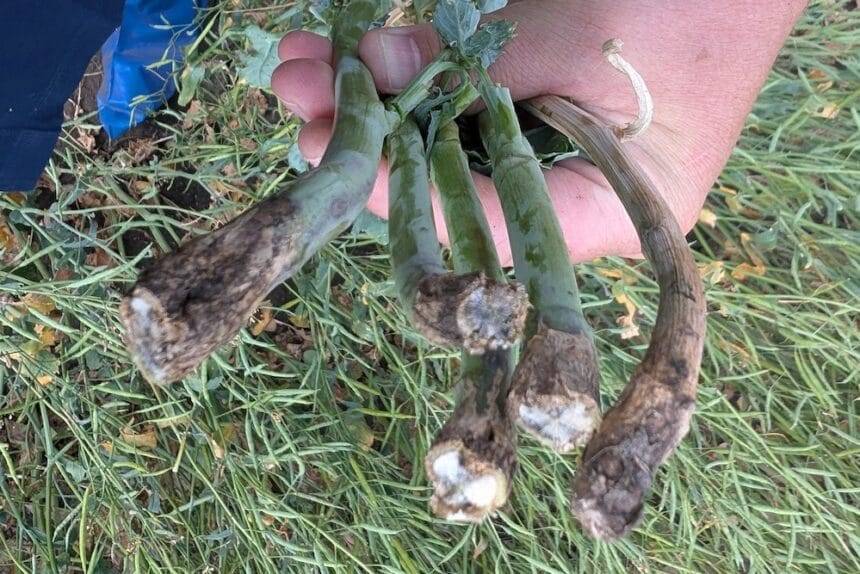
Photo:
Michael Harding, Alberta Agriculture
“With that, you can take your blackleg diagnosis and look for varieties that will manage that specific strain,” Jerk explains.
He notes that this is the time of year when farmers can scout for disease symptoms in their stubble.
This will position them well for managing disease in the next growing season. In such cases, Jerk recommends a range of integrated pest management (IPM) methods.
He says, “You can’t rely solely on resistance to manage the disease.” “Luckily, we have some tools for blackleg that we can use as part of an integrated pest management approach.”
If you guessed that crop rotation would be one of those methods, you’re correct.
Jerk states, “Crop rotation is definitely one of the most effective tools.”
“The pathogen survives on old canola stubble in a field. When that old stubble is gone, the pathogen eventually dies. So if you can stay out of canola for at least two years, most of the old canola residues will degrade.”
“This reduces your risk for blackleg significantly. You might still get some airborne spores from a neighboring field, but they won’t travel very far.”
Photo:
Dave Bedard
Fungicides are another option, but timing is critical. Jerk points to new seed treatments that work during the early stages of canola’s life, from seeds to the two-leaf stage.
“If you can keep the canola safe during that two-leaf stage, it appears to be a crucial period for preventing infection. If you get blackleg during that time, it usually gets worse.”
“So if you can protect the crop during that stage, it truly reduces the amount of disease.”
He adds that using fungicides on the leaves is another option.
“In high-risk conditions where you suspect that your resistance isn’t holding up (and you’re) seeing a lot of lesions on seedlings, a leaf fungicide will help control it.”
Blackleg samples can be sent to any recognized seed laboratory. Trevor Blois, a disease diagnostic expert at 20/20 Seed Labs in Nisku, Alberta, explains the process for farmers to submit samples, especially if they need to send them over a long distance.
Blois recommends collecting 12 to 20 samples per field. Instead of using traditional random sampling, he suggests looking for the most severely infected areas and cutting stems just above the soil line.
Blois states that there are a few ways to package samples, but he advises using Ziploc bags or similar products. Make sure to label the samples with the information you want to know, including the strain, if that’s a priority.
He also suggests using a courier service like Purolator or Canada Post to send samples. 20/20 will accept samples sent via regular mail, but it’s likely to be slower.
“Generally, it’s better to send samples of plants via courier rather than your seed samples.”