

Main Points In Hindi (मुख्य बातें – हिंदी में)
-
मिट्टी की स्वास्थ्य पर केंद्रित पहल: कोलोराडो स्टेट यूनिवर्सिटी के नए "सेविंग टुमॉरोज़ एग्रीकल्चरल रिसोर्सेज (स्टार)" कार्यक्रम का उद्देश्य किसानों और पशुपालकों को स्वस्थ मिट्टी प्रबंधन प्रथाओं को अपनाने के लिए प्रोत्साहित करना है।
-
1930 के डस्ट बाउल का ऐतिहासिक संदर्भ: लेख में 1935 के "ब्लैक संडे" की घटना को दर्शाया गया है, जहां अत्यधिक जुताई के कारण व्यापक सूखा और धूल भरे तूफान ने कृषि पर नकारात्मक प्रभाव डाला, जिससे कृषि योग्य भूमि की मात्रा में भारी कमी आई।
-
मेटागेनोमिक्स और समग्र दृष्टिकोण: अनुसंधान टीम मिट्टी की सेहत को समझने के लिए उच्च तकनीकी उपकरणों का उपयोग कर रही है, जो सूक्ष्मजीवों की पहचान और उनके कार्यों पर ध्यान केंद्रित करते हैं। उनका लक्ष्य पारिस्थितिकीय, आर्थिक और सामाजिक लाभों की समझ को बढ़ाना है।
-
फिल्म श्रृंखला "होल्ड अवर ग्राउंड": यह श्रृंखला मिट्टी के स्वास्थ्य के महत्व को उजागर करने के लिए कहानी कहने के माध्यम से कृषि उत्पादकों और जनता को जोड़ने का प्रयास कर रही है। यह कोलोराडो में मिट्टी-बढ़ाने की गतिविधियों पर ध्यान केंद्रित करती है।
- सामुदायिक सहयोग और संवाद: शोधकर्ताओं और स्थानीय किसानों के बीच सहयोग को बढ़ावा देने और उनकी जरूरतों और चुनौतियों को समझने के लिए विस्तृत संवाद और सुनने के सत्र आयोजित किए गए हैं, जिससे सभी हितधारक एक ही मंच पर आ सके।
Main Points In English(मुख्य बातें – अंग्रेज़ी में)
Here are the main points from the article by Riya Mez, Colorado State University:
-
Historical Context of Soil Degradation: The article reflects on the severe impact of the Dust Bowl in the 1930s, particularly highlighting the "Black Sunday" event of April 14, 1935, which devastated agricultural land in southeastern Colorado, reducing wheat production significantly and forcing over 40% of residents to leave the area.
-
Focus on Soil Health and Sustainability: Colorado State University (CSU) emphasizes the importance of better land management and soil improvement to prevent future ecological disasters. The need for improved ecological practices is underscored in the face of modern challenges such as climate change.
-
STAR Program Initiative: The new Saving Tomorrow’s Agricultural Resources (STAR) program, launched in 2022 in collaboration with various partners, aims to promote healthy soil management practices among Colorado’s farmers and ranchers, ensuring the enhancement of land for future generations.
-
Collaborative Research Efforts: CSU researchers are collaborating with local farmers and ranchers to improve soil health by utilizing advanced technologies, including soil moisture sensors and analyses of soil and water quality. This partnership fosters a learning environment where innovative practices are shared.
- "Hold Our Ground" Film Series: Alongside scientific research, a film series titled "Hold Our Ground" is being produced to communicate the importance of soil health to the public and agricultural producers, showcasing success stories and innovative practices across Colorado that contribute to the soil health movement.

Complete News In Hindi(पूरी खबर – हिंदी में)
रिया मेज़, कोलोराडो स्टेट यूनिवर्सिटी द्वारा
1930 के दशक के डस्ट बाउल से सबसे अधिक प्रभावित क्षेत्र के पास, दक्षिणपूर्वी कोलोराडो में पले-बढ़े जेम्स प्रिटचेट को “ब्लैक संडे” की कहानियाँ सुनना याद है।
14 अप्रैल, 1935 को, अत्यधिक जुताई वाली भूमि के साथ सूखा, युग के सबसे बड़े धूल भरे तूफानों में से एक में परिणत हुआ, जिसने सूरज को नष्ट कर दिया और सात राज्यों को अपनी चपेट में ले लिया। अकेले कोलोराडो के बाका काउंटी में, कृषि इतिहास के इस काले अध्याय ने गेहूं के उत्पादन को 237,000 एकड़ से घटाकर केवल 150 एकड़ कृषि योग्य भूमि कर दिया और इसके 40% से अधिक निवासियों को छोड़ने के लिए मजबूर किया।
कोलोराडो स्टेट यूनिवर्सिटी के कॉलेज ऑफ एग्रीकल्चरल साइंसेज के डीन प्रिटचेट ने कहा, “दशकों से हमने सीखा है कि भूमि की बेहतर देखभाल कैसे करें और मिट्टी में सुधार कैसे करें ताकि हमें दोबारा इस तरह की पारिस्थितिक आपदा का सामना न करना पड़े।” “लेकिन जलवायु परिवर्तन और अन्य आधुनिक चुनौतियों के बीच, अब हमें मिट्टी में पारिस्थितिक प्रणालियों पर अधिक ध्यान देने की आवश्यकता है।”
सीएसयू के मृदा और फसल विज्ञान विभाग के शोधकर्ता कोलोराडो के किसानों और पशुपालकों को भावी पीढ़ियों के लिए अपनी भूमि को बेहतर बनाने में मदद करने के लिए नए सेविंग टुमॉरोज़ एग्रीकल्चरल रिसोर्सेज (स्टार) कार्यक्रम के साथ साझेदारी कर रहे हैं। सेंटर फॉर साइंस कम्युनिकेशन “होल्ड अवर ग्राउंड” नामक एक नई फिल्म श्रृंखला में उनकी मिट्टी-स्वास्थ्य यात्रा की कहानियों को साझा कर रहा है।
कोलोराडो स्टार को 2022 में कोलोराडो कृषि विभाग, सीएसयू, प्राकृतिक संसाधन संरक्षण सेवा और अन्य भागीदारों के बीच साझेदारी के रूप में लॉन्च किया गया था। कार्यक्रम का उद्देश्य स्वस्थ मृदा प्रबंधन प्रथाओं को अपनाने के लिए प्रोत्साहित करना है।
प्रोफेसर एमेरिटस जिम इप्पोलिटो और अनुसंधान वैज्ञानिक मेगन माचमुल्लर स्टार के साथ सहयोग करने वाली सीएसयू अनुसंधान टीम का हिस्सा हैं। उनके काम में मिट्टी की नमी सेंसर स्थापित करना, मिट्टी और पानी की गुणवत्ता का परीक्षण करना और ग्रीनहाउस गैस उत्सर्जन और मिट्टी कार्बन पृथक्करण की निगरानी के लिए अत्याधुनिक उपकरणों का उपयोग करना शामिल है। कार्यक्रम प्रबंधन तकनीकों, पैदावार, इनपुट और अन्य आर्थिक और सामाजिक कारकों पर डेटा भी एकत्र कर रहा है।
इप्पोलिटो ने कहा, “कोलोराडो के किसानों और पशुपालकों की इन सभी अलग-अलग लोगों के साथ मिलकर काम करने की इच्छा को देखना और सभी को आम जमीन खोजने के लिए मेज पर आते देखना बहुत रोमांचक है।” “हमने मृदा स्वास्थ्य की लहर को पकड़ लिया है और इसके पीछे कई अलग-अलग संस्थाओं की बहुत ऊर्जा है – हम सभी चीजों को पूरा करने के लिए मिलकर काम कर रहे हैं।”
सीएसयू टीम के लिए, कोलोराडो के किसानों और पशुपालकों के साथ सीधे काम करना एक पुरस्कृत सह-सीखने का अनुभव रहा है। मैकमुलर ने कहा, “वे वास्तव में परवाह करते हैं।” “और उनमें से कई पहले से ही मिट्टी के स्वास्थ्य के लिए बहुत ही नवीन और रोमांचक चीजें कर रहे हैं।”
मेटागेनोमिक्स और मेटाबोलॉमिक्स में उन्नत विश्लेषणात्मक उपकरणों तक पहुंच, जो देखते हैं कि मिट्टी में कौन से सूक्ष्मजीव हैं और वे कैसे कार्य करते हैं, मिट्टी में बदलाव का पता लगाने और मिट्टी के स्वास्थ्य के बारे में उनकी समझ को बढ़ाने के लिए स्टार अनुसंधान टीम की क्षमता को तेज करते हैं। लेकिन उनका काम हाई-टेक मेट्रिक्स से परे है। मैकमुलर ने कहा, “हमारा शोध वास्तव में समग्र दृष्टिकोण अपना रहा है।” “हम मृदा स्वास्थ्य प्रथाओं के पारिस्थितिक, आर्थिक और सामाजिक लाभों को समझने की कोशिश कर रहे हैं।”
विज्ञान को पूरक करने के लिए, “होल्ड अवर ग्राउंड” फिल्म श्रृंखला दृश्य कहानी के माध्यम से कृषि उत्पादकों और जनता दोनों को मिट्टी के स्वास्थ्य के महत्व से जोड़ने का प्रयास करती है। इप्पोलिटो ने कहा, “मृदा स्वास्थ्य सीएसयू के भूमि-अनुदान मिशन का अभिन्न अंग है।” “और हमारे पास इस प्रयास का नेतृत्व करने के लिए आवश्यक विश्व स्तरीय वैज्ञानिक हैं, साथ ही संचारक भी हैं जो कहानी बता सकते हैं।”
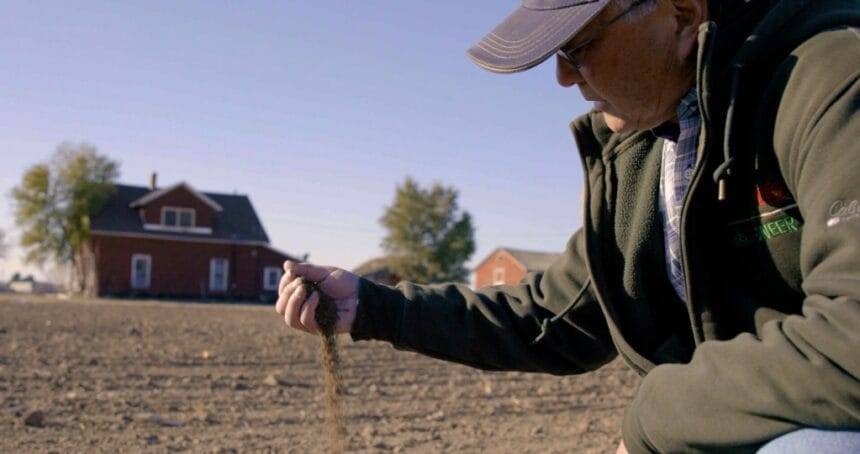
“होल्ड अवर ग्राउंड” फिल्म श्रृंखला राज्य भर में स्टार किसानों और पशुपालकों के साथ हो रहे मिट्टी-बढ़ाने, संबंध-निर्माण कार्यों पर प्रकाश डालती है।
मैकमुल्लर ने कहा, “इस कार्यक्रम में सभी चुनौतियों, बाधाओं, अवसरों और कोलोराडो में किसानों और पशुपालकों को क्या चाहिए, यह समझने में बहुत समय, ऊर्जा, प्रयास, अनुसंधान और सुनने के सत्र लगे।” “उन महत्वपूर्ण वार्तालापों ने सभी को मेज पर ला दिया और भाग जाना और भागना बहुत रोमांचक है। सबसे सार्थक विज्ञान इसी तरह से किया जाता है – यह सब रिश्तों के बारे में है।
सेंटर फॉर साइंस कम्युनिकेशन के फिल्म दल ने भोजन के पीछे के लोगों से जुड़ने के लिए कोलोराडो के चारों ओर यात्रा की। उनके विचारों और प्रगतिशील मृदा स्वास्थ्य प्रथाओं का दस्तावेजीकरण करके, श्रृंखला का उद्देश्य मृदा स्वास्थ्य आंदोलन को आगे बढ़ाना है।
“एक शक्तिशाली दृश्य माध्यम के रूप में, हमें उम्मीद है कि ये फिल्में कोलोराडो के निर्माताओं को अपने स्वयं के संचालन में नई मृदा स्वास्थ्य प्रथाओं को शामिल करने की क्षमता की कल्पना करने में मदद करेंगी,” श्रृंखला के निर्माता और निर्देशक, जैम जैकबसेन, पत्रकारिता विभाग में सहायक प्रोफेसर ने कहा। और मीडिया संचार और विज्ञान संचार केंद्र के निदेशक। “हमारा मानना है कि ये फिल्में संरक्षण प्रथाओं को प्रदर्शित करने और उस ज्ञान को साझा करने में महत्वपूर्ण भूमिका निभा सकती हैं।”
Complete News In English(पूरी खबर – अंग्रेज़ी में)
Sure! Here’s a simplified version:
By Riya Mez, Colorado State University
In southeastern Colorado, James Pritchett remembers hearing stories about the "Black Sunday" during the Dust Bowl of the 1930s. On April 14, 1935, a severe drought combined with over-farming led to one of the largest dust storms in history, which affected seven states and devastated the land, especially in Baca County, Colorado. Wheat production plummeted from 237,000 acres to just 150 acres, forcing more than 40% of the area’s residents to leave.
James Pritchett, Dean of the College of Agricultural Sciences at Colorado State University (CSU), explained, "Over the decades, we’ve learned how to care for the land and improve soil health to avoid repeating such an ecological disaster. However, with climate change and other modern challenges, we need to pay more attention to ecological systems in the soil."
Researchers from CSU’s Soil and Crop Sciences Department are collaborating with Colorado farmers and ranchers to enhance their land for future generations through a new initiative called Saving Tomorrow’s Agricultural Resources (STAR). The Center for Science Communication shares their stories in a film series titled "Hold Our Ground."
Launched in 2022, Colorado STAR is a partnership between the Colorado Department of Agriculture, CSU, the Natural Resources Conservation Service, and others. Its goal is to encourage farmers to adopt healthy soil management practices.
Professor Emeritus Jim Ippolito and research scientist Megan Machmuller are part of the CSU team collaborating with STAR. Their work involves setting up soil moisture sensors, testing soil and water quality, and using advanced tools to monitor greenhouse gas emissions and soil carbon sequestration. They are also collecting data on management techniques, crop yields, inputs, and various economic and social factors.
Ippolito said, "It’s exciting to see Colorado’s farmers and ranchers working together towards common goals. There’s a lot of energy behind improving soil health, and we’re all collaborating effectively."
For the CSU team, working directly with farmers and ranchers has been a rewarding experience. Machmuller noted, "They genuinely care and many are already doing innovative things for soil health."
The STAR research team uses advanced analytical tools in metagenomics and metabolomics to understand the microbes in the soil and their functions, which helps in monitoring soil health. However, their approach goes beyond high-tech solutions. Machmuller emphasized, "We’re taking a holistic approach, trying to understand the ecological, economic, and social benefits of soil health practices."
The "Hold Our Ground" film series aims to connect agricultural producers and the public to the importance of soil health through visual storytelling. Ippolito added, "Soil health is integral to CSU’s land-grant mission, and we have world-class scientists and communicators leading this effort."
The film series highlights the soil-improving work of STAR farmers and ranchers across the state. Machmuller explained, "A lot of time, energy, and research went into understanding the challenges, barriers, and needs of Colorado farmers and ranchers from all viewpoints. Those critical conversations have brought everyone to the table, making it an exciting journey. The most meaningful science happens through relationships."
The Center for Science Communication’s film team traveled around Colorado to connect with the people behind food production. By documenting their ideas and innovative soil health practices, the series aims to promote the soil health movement.
Jaim Jacobsen, an assistant professor in the Journalism Department and director of the Center for Science Communication, stated, "As a powerful visual medium, we hope these films will help Colorado producers envision incorporating new soil health practices into their operations. We believe these films can play a vital role in showcasing conservation practices and sharing knowledge."
This version uses simpler language while retaining the key points of the original text.