

Main Points In Hindi (मुख्य बातें – हिंदी में)
यहाँ पर इलियट हिल्डेब्रांड की कहानी के मुख्य बिंदु दिए गए हैं:
-
शुरुआती प्रेम और शिक्षा: इलियट हिल्डेब्रांड का बचपन से ही कृषि के प्रति प्यार रहा है, और उन्होंने कृषि विज्ञान में स्नातक और मास्टर डिग्री हासिल की है। वह अब एक मान्यता प्राप्त कृषि विज्ञानी हैं।
-
कृषि विज्ञान में योगदान: हिल्डेब्रांड ने मिट्टी की उर्वरता पर ध्यान केन्द्रित करते हुए किसानों को उर्वरक की सिफारिशें करने का कार्य किया है। उन्हें अपने काम के लिए प्रांतीय स्तर पर सम्मानित किया गया है।
-
उत्कृष्ट युवा कृषिविज्ञानी पुरस्कार: हिल्डेब्रांड को उत्कृष्ट युवा एग्रोलॉजिस्ट पुरस्कार मिला है, जो कृषि में महत्वपूर्ण योगदान देने वाले युवा कृषिविज्ञानीयों को दिया जाता है। उन्होंने इसे अपने मार्गदर्शकों और समुदाय के योगदान का सम्मान माना है।
-
कृषि में चुनौतियाँ और नए रुझान: वह कृषि में जड़ी-बूटियों-प्रतिरोधी खरपतवारों, फसल रोगों और बढ़ती उत्पादन लागत जैसी चुनौतियों के महत्व पर जोर देते हैं। वे अंतरफसल की संभावनाओं पर भी उत्साहित हैं।
- पेशे की सामाजिक भूमिका: हिल्डेब्रांड कृषि विज्ञान को एक महत्वपूर्ण पेशे के रूप में प्रस्तुत करने की कोशिश कर रहे हैं, ताकि लोग इसे खेती और पर्यावरण के लिए फायदेमंद समझें। उनके लिए यह सम्मान की बात है कि वे ऐसे किसानों की सहायता कर रहे हैं जो खेतों में काम करते हैं।
Main Points In English(मुख्य बातें – अंग्रेज़ी में)
Here are the main points from the provided text about Elliot Hildebrand:

-
Passion for Agriculture: Elliot Hildebrand developed a love for farming early in life and chose to pursue agricultural sciences after not having the opportunity to work directly on a farm as an adult. He holds a bachelor’s and master’s degree in agricultural sciences from the University of Saskatchewan and has been recognized provincially for his contributions to the field.
-
Professional Work: He works with Western Ag Professional Agronomy and Northland Agronomy in Langham, Saskatchewan, focusing on soil fertility and making fertilizer recommendations based on producers’ needs. His work includes crop scouting and he is dedicated to assisting the agricultural community with hard work.
-
Awards and Mentorship: Hildebrand received the Outstanding Young Agrologist Award for his significant contributions to agriculture before the age of 40. He values the mentorship he received throughout his career and aims to support young agronomists starting out in the field.
-
Year-Round Activities: His work is busy throughout the year, involving early mornings in the summer and maintaining communication with farmers during the winter. He enjoys working directly with clients and finds satisfaction in helping them succeed, emphasizing the importance of relationships in the agricultural sector.
- Challenges and Innovations: Hildebrand identifies challenges in the agricultural sector, such as herbicide-resistant weeds and crop diseases. He is enthusiastic about innovations, including intercropping and the use of plant root simulators, which he believes can greatly enhance soil fertility understanding and agricultural productivity. He aims to improve public perception of agricultural science and its vital role in ensuring successful crop production.
Complete News In Hindi(पूरी खबर – हिंदी में)
खेत में बड़े होने वाले कई बच्चों की तरह, इलियट हिल्डेब्रांड को बचपन में ही खेती से प्यार हो गया था।
यह भी पढ़ें
ड्रोन से छिड़काव के बारे में पूछे जाने पर सावधान रहें
यह कभी भी हो सकता है. जैसे-जैसे पश्चिमी कनाडा में ड्रोन का बुखार फैल रहा है, एक किसान अंततः एक कृषिविज्ञानी से पूछने जा रहा है…
जब एक वयस्क के रूप में खेत पर काम करने का अवसर नहीं मिला, तो उन्होंने अगली सबसे अच्छी चीज़ – कृषि विज्ञान – अपनाई।
अब उनके पास सस्केचेवान विश्वविद्यालय से कृषि विज्ञान में स्नातक की डिग्री और मास्टर डिग्री है और वह कई वर्षों से कृषि विज्ञानी के रूप में काम कर रहे हैं। वह अपने काम के लिए जाने जाते हैं और इस क्षेत्र में योगदान के लिए उन्हें प्रांतीय स्तर पर मान्यता मिली है।
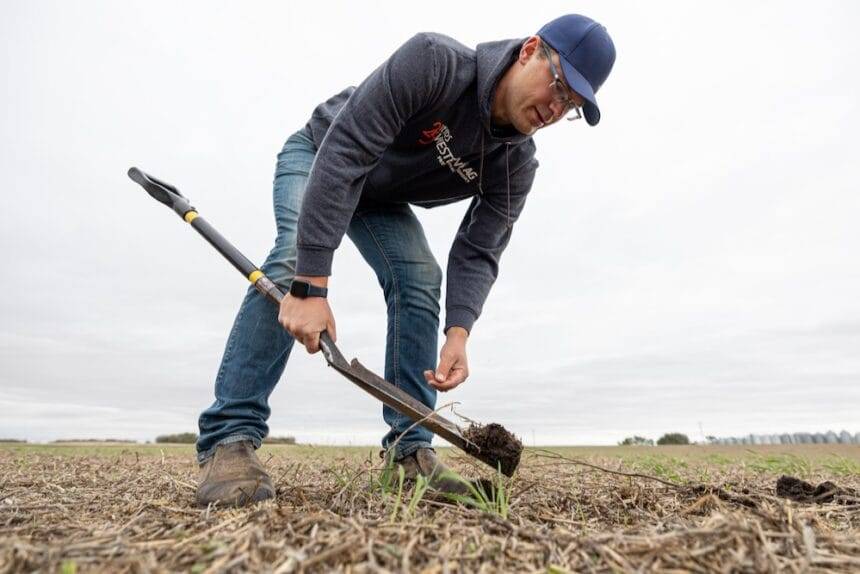
हिल्डेब्रांड वेस्टर्न एजी प्रोफेशनल एग्रोनॉमी और नॉर्थलैंड एग्रोनॉमी में काम करता है और लैंगहम, सास्क में स्थित है। वह मुख्य रूप से मिट्टी की उर्वरता पर ध्यान केंद्रित करते हैं और उत्पादकों को उनकी जरूरतों के आधार पर उर्वरक की सिफारिशें करते हैं। इसमें फसल स्काउटिंग भी शामिल है।
इन सभी कार्यों में, हिल्डेब्रांड का कहना है कि वह कड़ी मेहनत करते हैं क्योंकि उन्हें उद्योग और निर्माताओं की मदद करने का शौक है।
“यह सिर्फ विज्ञान नहीं है। दिन के अंत में, इसमें शामिल लोग ही हैं जो यह सब काम करते हैं।
उत्कृष्ट युवा कृषिविज्ञानी पुरस्कार
कुछ साल पहले, हिल्डेब्रांड को उत्कृष्ट युवा एग्रोलॉजिस्ट पुरस्कार मिला था, जो सस्केचेवान इंस्टीट्यूट ऑफ एग्रोलॉजिस्ट के एक सदस्य को प्रदान किया जाता है, जिसकी उम्र 40 वर्ष से कम है और जिसने कृषि में महत्वपूर्ण योगदान दिया है। पुरस्कार अप्रत्याशित था.
वह कहते हैं, ”इस तरह से अपने साथियों द्वारा पहचाने जाना अच्छा है, लेकिन यह वास्तव में उन लोगों के बारे में बताता है जो समय के साथ आपके अंदर विकसित हुए हैं।” उन्होंने आगे कहा कि विश्वविद्यालय में और अपने करियर के दौरान भी उनके पास कई अच्छे गुरु थे।
“मैं बहुत भाग्यशाली हूँ। मेरे पास बहुत सारे अच्छे लोग हैं जिन्होंने इस मुकाम तक पहुंचने के लिए मेरे पूरे करियर में मुझमें निवेश किया है। और मुझे लगता है कि यह पुरस्कार वास्तव में आने वाले अगले लोगों को विकसित करने के महत्व को बयां करता है।”
एक पेशेवर कृषिविज्ञानी और पुरस्कार के पूर्व विजेता के रूप में, वह उन युवा कृषिविज्ञानियों की भी मदद करना चाहते हैं जिन्होंने अपना करियर शुरू करते समय उनकी मदद की थी।
काम पर
मौसम की परवाह किए बिना, काम पूरे वर्ष व्यस्त रहता है। हिल्डेब्रांड का कहना है कि गर्मियों में जल्दी उठना और एक खेत से दूसरे खेत जाना, फिर किसानों को निष्कर्ष बताना शामिल है। पतझड़ में उत्पादकों को वसंत के लिए तैयार करने के लिए मिट्टी का नमूना लेना और फसल परामर्श शामिल है।
“कभी-कभी पूरे सर्दियों में बातचीत चलती रहती है क्योंकि खेत बदल जाता है या योजनाएँ बदल जाती हैं और उस पर कायम रहते हैं।”
उनका कहना है कि उनका जुनून उन्हें हर पल का आनंद लेने में मदद करता है। उनका कहना है कि नौकरी के कई तत्व हैं जो उन्हें पसंद हैं, लेकिन यह मुख्य रूप से किसानों के साथ मिलकर काम करने के बारे में है।
“सबसे सुखद हिस्सा शायद ग्राहकों को सफल होते देखना है। वे आपसे कुछ ऐसी जानकारी लेते हैं जिससे उनकी निचली रेखा पर फर्क पड़ता है। इसमें बहुत संतुष्टि है।”
उन्हें बाहर काम करना और उद्योग में प्रगति देखना भी पसंद है।
वह कहते हैं, ”बस खेतों में रहने का मौका है, क्योंकि आप वहां हैं, एक तरह से अग्रिम पंक्ति में हैं, यह देखने के लिए कि क्या हो रहा है।”
एक ऐसे व्यक्ति के रूप में जो उद्योग के अंदर और बाहर को जानता है, ऐसी कई चीजें हैं जिनके बारे में हिल्डेब्रांड उत्साहित है।
उदाहरण के लिए, वह यह देखने के लिए उत्सुक है कि अंतरफसल एक अधिक सामान्य प्रथा बन जाए।
“कृषि विज्ञान के नजरिए से, अंतरफसल के साथ बहुत सी अच्छी चीजें चल रही हैं जिन्हें अभी तक मुख्यधारा के कृषि उत्पादन में अपना रास्ता नहीं मिल पाया है।”
लाभों में स्वस्थ मिट्टी, अच्छी पैदावार और कम उत्पादन लागत शामिल हैं। 2019 में, सस्केचेवान में लगभग 70,000 एकड़ अंतर-फसलें थीं। 2021 में, केवल 25,000 एकड़ की सूचना दी गई थी, हालाँकि संभावना अधिक थी।
हिल्डेब्रांड का कहना है कि अधिकांश खेतों के लिए इंटरक्रॉपिंग “निकट क्षितिज पर” नहीं हो सकती है, लेकिन उनका मानना है कि यह “क्षितिज पर” कुछ चुनौतियों से निपटने में मदद कर सकता है।
तस्वीर:
मिशेल बर्ग
प्लांट रूट सिम्युलेटर जांच एक और पहलू है जिसे वह रोमांचक मानते हैं। जांच आयन एक्सचेंज राल झिल्ली हैं जो न्यूनतम गड़बड़ी के साथ मिट्टी आयन आपूर्ति को मापती हैं। इन्हें वेस्टर्न एजी द्वारा सस्केचेवान में बनाया गया है।
जांच का उद्देश्य सभी प्रकार के पारिस्थितिक तंत्रों में मिट्टी के पोषक तत्वों की निगरानी करना और जड़ों की गतिविधि का अनुकरण करना है, जो रासायनिक मिट्टी परीक्षण की तुलना में मिट्टी के पोषक तत्वों की आपूर्ति का बेहतर माप प्रदान करता है।
हिल्डेब्रांड का कहना है कि यह एक सफलता की कहानी है और इसने उनके लिए मिट्टी परीक्षण के खेल को बदल दिया है।
“मैं उन उपकरणों के बारे में कहूंगा, उन्होंने वास्तव में व्यक्तिगत स्तर पर मेरे लिए फसल की उर्वरता के कुछ रहस्य को दूर कर दिया है और इसे फसल की उर्वरता की गहरी यंत्रवत समझ में बदल दिया है और लोग विभिन्न परिस्थितियों में अपनी फसलों से क्या उम्मीद कर सकते हैं।
“और इसे ग्राहकों के लिए विश्वास के स्तर पर लाना। मुझे नहीं पता कि क्या मैं इस पर पर्याप्त जोर दे सकता हूं कि इसके उन पहलुओं ने इसे कितना संतोषजनक बना दिया है।
महत्वपूर्ण कार्य
जब फसल उत्पादन और कृषि विज्ञान कार्य के पीछे के विज्ञान की बात आती है, तो हिल्डेब्रांड जड़ी-बूटियों-प्रतिरोधी खरपतवारों और फसल रोगों जैसी चुनौतियों को उभरता हुआ देखता है। फसल की कीमतें, उर्वरक की कीमतें और कम लाभ मार्जिन भी किसानों के लिए चुनौतियां पेश करते हैं। इससे कृषि वैज्ञानिकों का काम और भी महत्वपूर्ण हो जाता है।
“कृषि विज्ञान एक ऐसी चीज़ है जो वास्तव में किसानों को यह सुनिश्चित करने में मदद कर सकती है कि फसलें सर्वोत्तम हो सकती हैं, और उत्पादकता क्या हो सकती है, इसमें कोई कसर नहीं छोड़ी जा सकती है, और वास्तव में इस फसल के लिए यह जानते हुए, हमने ऐसा किया है सबसे अच्छा हम कर सकते थे।”
वह न केवल कृषि, बल्कि कृषि विज्ञान के बारे में भी लोगों की धारणा में सुधार लाना चाहेंगे।
“कृषि विज्ञान, कृषि विज्ञान को सार्वजनिक स्थान पर लाया जा रहा है ताकि लोग इसे इस रूप में देखें कि ये ऐसे पेशेवर हैं जो खेत, पर्यावरण और समग्र रूप से जनता के सर्वोत्तम हित रखते हैं।”
खुद खेती न करते हुए, हिल्डेब्रांड को लगता है कि वह कुछ उल्लेखनीय और आवश्यक काम कर रहे हैं – जिससे प्राथमिक उत्पादकों का जीवन बहुत आसान हो गया है। यह ऐसी भूमिका नहीं है जिसे वह हल्के में लेते हैं।
वे कहते हैं, “मुझे लगता है कि न केवल इसके विज्ञान के प्रति, बल्कि इसमें शामिल लोगों के प्रति भी भावुक होना चाहिए।” “मेरा मतलब है, दिन के अंत में, एक ऐसे फार्म में शामिल होना एक वास्तविक सम्मान और विशेषाधिकार है जहां आपके पास कुछ इनपुट हैं और इसलिए ग्राहकों के साथ, उनके परिवारों के साथ, उन समुदायों के साथ संबंध हैं जिनमें वे हैं, यह भी इसका एक बड़ा हिस्सा है।”
Complete News In English(पूरी खबर – अंग्रेज़ी में)
Like many kids who grew up on a farm, Elliot Hildebrand developed a love for agriculture at a young age.
Read Also
Be Wary When Asked About Spraying with Drones
It could happen at any moment. As the drone fever spreads across western Canada, a farmer is finally ready to ask a consultant…
When he had no chance to work on a farm as an adult, he chose the next best thing—agricultural science.
Now, he holds a bachelor’s and master’s degree in agricultural science from the University of Saskatchewan and has been working as an agronomist for many years. He is well-known in his field and has received provincial recognition for his contributions.
Hildebrand works at Western Ag Professional Agronomy and Northland Agronomy, based in Langham, Saskatchewan. His main focus is on soil fertility, making fertilizer recommendations tailored to producers’ needs, which also includes crop scouting.
According to Hildebrand, he works hard because he enjoys helping the industry and the producers.
“It’s not just science. At the end of the day, it’s the people involved who make it all happen.”
Outstanding Young Agronomist Award
Several years ago, Hildebrand received the Outstanding Young Agronomist Award, presented to a member of the Saskatchewan Institute of Agrologists under 40 who has made significant contributions to agriculture. The award was unexpected.
He says, “It feels great to be recognized by peers in that way, but it really reflects the people who have helped you grow over time.” He added that he has had many great mentors throughout university and his career.
“I’m very lucky. I’ve had many wonderful individuals invest in me throughout my career to reach this point. I believe this award emphasizes the importance of developing the next generation.”
As a professional agronomist and former award winner, he also wants to assist young agronomists who helped him when he was starting his career.
At Work
Work is busy year-round, regardless of the weather. Hildebrand says summer involves early mornings traveling from one farm to another and relaying findings to farmers. In the fall, sampling soil and providing crop consultations helps prepare producers for spring.
“Sometimes conversations continue throughout the winter as fields change or plans evolve.”
His passion helps him enjoy every moment, as there are many aspects of his job he loves—mainly working with farmers.
“The most rewarding part is probably seeing clients succeed. They take information from you that makes a difference to their bottom line. There’s great satisfaction in that.”
He also likes working outdoors and witnessing progress in the industry.
He says, “Just having the opportunity to be out in the fields, you’re kind of on the front lines seeing what’s happening.”
As someone who understands both the industry and the farmers, Hildebrand is excited about several developments.
For example, he is eager to see intercropping become a more common practice.
“From an agricultural science perspective, there are many good things happening with intercropping that haven’t yet made it into mainstream agricultural production.”
The benefits include healthier soil, better yields, and lower production costs. In 2019, about 70,000 acres were intercropped in Saskatchewan. The number reported in 2021 was only 25,000 acres, although the potential is higher.
Hildebrand believes that intercropping may not be “on the immediate horizon” for most farms, but he thinks it can help tackle some “upcoming challenges.”
Photo:
Michelle Berg
The plant root simulator probes are another exciting aspect for him. These probes are ion exchange resin membranes designed to measure soil ion supply with minimal disturbance. They were developed by Western Ag in Saskatchewan.
The aim of the probes is to monitor soil nutrients across various ecosystems and mimic root activity, providing a better measurement of nutrient supply compared to traditional soil tests.
Hildebrand notes that this has been a success story and has changed the game for soil testing for him.
“I would say these tools have truly uncovered some of the mysteries of crop fertility for me and transformed it into a deeper mechanistic understanding of crop fertility and what people can expect from their crops under different conditions.”
“And to bring it to a level of trust for the customers. I can’t emphasize enough how satisfying those aspects have made this.”
Important Work
When it comes to crop production and the science behind agricultural practices, Hildebrand sees challenges like herbicide-resistant weeds and crop diseases emerging. Changes in crop prices, fertilizer costs, and tighter profit margins also pose challenges for farmers. This makes the role of agricultural scientists even more critical.
“Agricultural science is something that can genuinely help farmers ensure that their crops can be optimal, and productivity is maximized without leaving any stone unturned, knowing that we’ve done our best for those crops.”
He also wants to improve how people perceive both agriculture and agricultural science.
“Agricultural science is being brought into the public space so that people can see professionals who care about the farm, the environment, and the public’s best interests overall.”
Even though he doesn’t farm himself, Hildebrand believes he is doing important and necessary work—making life much easier for primary producers. He doesn’t take that role lightly.
He says, “I feel like it’s important to be passionate about not just the science but the people involved as well. I mean, at the end of the day, being involved in a farm is a real honor and privilege, where you have some input, and you have relationships with the customers, their families, and the communities they’re in—it’s a huge part of it.”