


Main Points In Hindi (मुख्य बातें – हिंदी में)
-
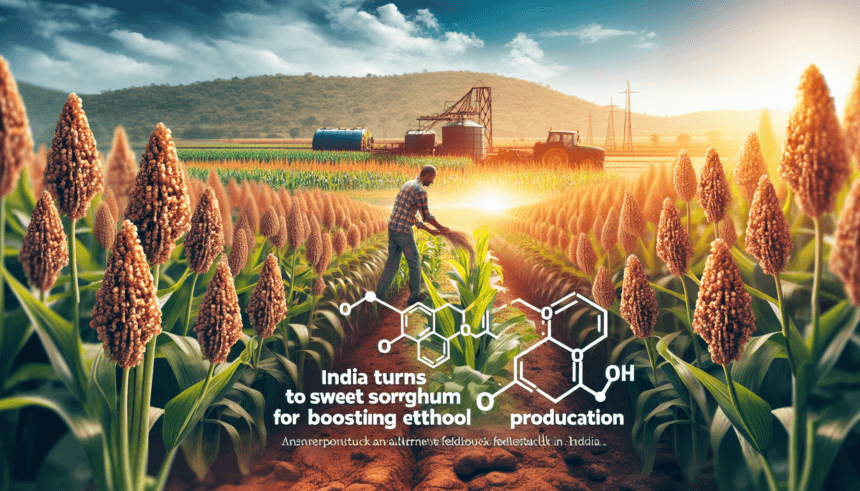
फसल विविधता और मीठे ज्वार का महत्व: भारत सरकार वर्तमान में गन्ने, चावल, और मक्का की उपलब्धता से जुड़ी समस्याओं का सामना कर रही है और मीठे ज्वार को इथेनॉल उत्पादन के लिए एक वैकल्पिक फीडस्टॉक के रूप में प्राथमिकता दे रही है।
-
इथेनॉल उत्पादन का लक्ष्य: भारत ने 2025 तक इथेनॉल के मिश्रण के लिए 20% का लक्ष्य रखा है, जिसके लिए लगभग 13.5 बिलियन लीटर इथेनॉल की आवश्यकता होगी।
-
मीठे ज्वार की उत्पादकता: मीठे ज्वार की नई किस्मों में इथेनॉल की प्राप्ति बढ़ाने की संभावनाएं हैं, और पिछले वर्षों में मीठे ज्वार की फसल का रस उत्पादन पहले के मुकाबले अधिक धारणा दिखाई दे रहा है।
-
गन्ना और चावल पर निर्भरता कम करने की कोशिशें: कृषि मंत्रालय ने गन्ने और चावल पर निर्भरता कम करने के लिए इथेनॉल फीडस्टॉक्स के पूल का विस्तार करने की योजना बनाई है, जिससे स्थानीय अर्थव्यवस्था को स्थिरता मिलेगी।
- बाजार में उतार-चढ़ाव: उद्योग विशेषज्ञों का कहना है कि मीठे ज्वार से इथेनॉल की उत्पादकता का सही आकलन तब ही किया जा सकेगा जब तक फसल से उत्पादित इथेनॉल की मूल्य निर्धारण की प्रक्रिया स्पष्ट नहीं होती।
Main Points In English(मुख्य बातें – अंग्रेज़ी में)
Here are the main points extracted from the provided text:
-
Focus on Sweet Sorghum as an Ethanol Feedstock:
- Due to the ongoing instability in the availability of sugarcane, rice, and maize, the Indian government is now emphasizing sweet sorghum as an alternative for ethanol production.
-
Goal for Ethanol Blending:
- The government aims to achieve a 20% ethanol blending target by 2025, requiring approximately 13.5 billion liters of ethanol.
-
Development of High-Yield Varieties:
- The Indian Institute of Millet Research (IIMR) has been tasked with developing high-yielding varieties of sweet sorghum, with promising increases in juice yield compared to older varieties.
-
Recent Market Changes and Restrictions:
- In 2023, concerns over the low production of sugarcane and rising retail prices led the government to limit the use of rice and sugarcane for ethanol production, but these restrictions were lifted in August 2024 to encourage production.
- Challenges in Ethanol Production:
- There is uncertainty regarding the viability of sweet sorghum for ethanol production until its pricing is established, and increased maize prices have raised concerns about feed costs for poultry farmers, impacting the overall market dynamics.

Complete News In Hindi(पूरी खबर – हिंदी में)
गन्ना, चावल, मक्का की उपलब्धता संबंधी समस्याओं का हवाला दिया
अधिक उपज देने वाली मीठी ज्वार विकसित करने के लिए विशेषज्ञों से आह्वान किया
2025 तक 20% इथेनॉल मिश्रण का लक्ष्य
भारतीय बाजरा अनुसंधान संस्थान के एक अधिकारी ने 11 नवंबर को एसएंडपी ग्लोबल कमोडिटी इनसाइट्स को बताया कि गन्ने की उपलब्धता में चल रही अस्थिरता के बीच, भारत सरकार इथेनॉल फीडस्टॉक में विविधता लाने के लिए गन्ने के विकल्प के रूप में मीठे ज्वार पर जोर दे सकती है।
पंजीकृत नहीं है?
दैनिक ईमेल अलर्ट, ग्राहक नोट प्राप्त करें और अपने अनुभव को निजीकृत करें।
अभी पंजीकरण करें
अधिकारी के अनुसार, हाल के वर्षों में गन्ना, चावल और मकई की उपलब्धता और व्यवहार्यता के साथ चल रही चुनौतियों को देखते हुए, सरकार जैव ईंधन के लिए अतिरिक्त फीडस्टॉक के रूप में मीठे ज्वार को प्राथमिकता देती है।
अधिकारी ने कहा, “मीठी ज्वार की फसल की समीक्षा करने और भारत में इथेनॉल उत्पादन बढ़ाने की संभावनाएं तलाशने के लिए अगस्त में एक बैठक आयोजित की गई थी। सरकार ने आईआईएमआर से मीठी ज्वार की अधिक बेहतर उपज देने वाली किस्मों का उत्पादन करने के लिए कहा है।”
आईआईएमआर के एक सूत्र के अनुसार, 2024 में जारी की गई मीठी ज्वार की किस्म में रस की मात्रा 1992 में जारी की गई किस्म की तुलना में 12,000-14,000 लीटर/हेक्टेयर से बढ़कर 15,000-16,000 लीटर/हेक्टेयर हो गई है।
विभिन्न अध्ययनों से पता चला है कि मीठे ज्वार से इथेनॉल की प्राप्ति 10 लीटर से 55 लीटर प्रति मीट्रिक टन डंठल कुचलने तक होती है, जबकि 1 मिलियन टन गन्ने से लगभग 70 लीटर जैव ईंधन का उत्पादन होता है, आईआईएमआर के अधिकारियों ने कहा।
हालाँकि, उद्योग विशेषज्ञों ने कहा कि मीठे ज्वार के उपयोग की व्यवहार्यता का पूरी तरह से आकलन नहीं किया जाएगा जब तक कि फसल से उत्पादित इथेनॉल के लिए कीमत निर्धारित नहीं की जाती है।
इथेनॉल उत्पादन बढ़ाने के प्रयास
पिछले कई वर्षों में, इथेनॉल उत्पादकों ने गन्ने और चावल की उपलब्धता के बारे में चिंताओं को उजागर किया है।
2023 में, भारत सरकार ने कम उत्पादन और बढ़ती खुदरा कीमतों पर चिंताओं के बीच खुदरा कीमतों को कम रखने के लिए चावल और गन्ने को इथेनॉल उत्पादन तक सीमित कर दिया। हालाँकि, अगस्त 2024 में सरकार ने देश में इथेनॉल उत्पादन को बढ़ावा देने के लिए इन प्रतिबंधों को हटा दिया।
इथेनॉल की आवश्यकता को पूरा करने के लिए, सरकार ने फरवरी में योजनाएं भी शुरू कीं, जिसके तहत दो एजेंसियां - भारतीय राष्ट्रीय कृषि सहकारी विपणन महासंघ और भारतीय राष्ट्रीय सहकारी उपभोक्ता महासंघ – मकई की आपूर्ति के लिए इथेनॉल डिस्टिलर्स के साथ समझौते पर हस्ताक्षर करेंगी। समर्थन मूल्य, चीनी पर निर्भरता कम करने का लक्ष्य।
हालाँकि, इस कदम के परिणामस्वरूप स्थानीय मकई की कीमतों में वृद्धि हुई, जिससे पोल्ट्री किसानों को बढ़ी हुई फ़ीड लागत का प्रबंधन करने के लिए संघर्ष करना पड़ा।
कृषि मंत्रालय के एक अधिकारी ने कहा, “सरकार गन्ने पर निर्भरता कम करने के लिए इथेनॉल फीडस्टॉक्स के स्टॉक पूल का विस्तार करना चाह रही है क्योंकि व्यापार बहुत अस्थिर है।”
सरकार ने कहा कि भारत को 2025 तक 20% सम्मिश्रण लक्ष्य को पूरा करने के लिए लगभग 13.5 बिलियन लीटर इथेनॉल की आवश्यकता है। भारतीय भट्टियां प्रति मीट्रिक टन मकई के लिए लगभग 380-390 लीटर इथेनॉल और प्रत्येक मीट्रिक टन चावल के लिए 450-460 लीटर इथेनॉल का उत्पादन करती हैं।
एक व्यापार भागीदार ने कहा, “चूंकि टूटे हुए चावल की उपलब्धता पर्याप्त नहीं है, इसलिए अधिकांश डिस्टिलर मक्का पसंद करते हैं। हालांकि, यह अन्य औद्योगिक उपयोगकर्ताओं और पोल्ट्री या पशु चारा निर्माताओं पर अनाज सस्ता करने का दबाव डालता है।”
इस बीच, व्यापार मंडल के कुछ लोगों ने सुझाव दिया है कि जैसे-जैसे मक्के की कीमतें बढ़ेंगी और भारत घरेलू मांग को पूरा करने के लिए मक्के का आयात कर सकता है, फसल से इथेनॉल प्राप्त करना आर्थिक रूप से अलाभकारी हो सकता है।
Complete News In English(पूरी खबर – अंग्रेज़ी में)
Issues related to the availability of sugarcane, rice, and maize were mentioned.
Call to experts for developing high-yield sweet sorghum.
Goal to achieve 20% ethanol blending by 2025.
An official from the Indian Millet Research Institute stated on November 11 to S&P Global Commodity Insights that amid the ongoing instability in sugarcane availability, the Indian government may promote sweet sorghum as an alternative to sugarcane for ethanol feedstock.
Not Registered?
Get daily email alerts, receive customer notes, and personalize your experience.
Register Now
According to the official, considering the ongoing challenges with the availability and viability of sugarcane, rice, and maize in recent years, the government is prioritizing sweet sorghum as an additional feedstock for biofuels.
The official mentioned, “A meeting was held in August to review the sweet sorghum crop and explore possibilities to increase ethanol production in India. The government has asked IIMR to produce higher-yield varieties of sweet sorghum.”
According to a source at IIMR, the sweet sorghum variety released in 2024 has increased juice yield from 12,000-14,000 liters per hectare (l/ha) in the 1992 variety to 15,000-16,000 l/ha.
Various studies have shown that ethanol yield from sweet sorghum can range from 10 to 55 liters per metric ton of stalk crushed, while around 70 liters of biofuel can be produced from 1 million tons of sugarcane, according to IIMR officials.
However, industry experts said that the full assessment of the viability of sweet sorghum usage won’t be possible until the price for ethanol produced from the crop is determined.
Efforts to Increase Ethanol Production
In recent years, ethanol producers have raised concerns about the availability of sugarcane and rice.
In 2023, the Indian government limited the use of rice and sugarcane for ethanol production to keep retail prices low amid concerns over low production and rising retail prices. However, in August 2024, the government lifted these restrictions to enhance ethanol production in the country.
To meet ethanol requirements, the government also initiated plans in February under which two agencies—Indian National Agricultural Cooperative Marketing Federation and Indian National Cooperative Consumers Federation—will sign agreements with ethanol distillers for maize supply, aimed at reducing dependency on support prices and sugar.
However, this action has led to an increase in local maize prices, making it difficult for poultry farmers to manage the rising feed costs.
An official from the Ministry of Agriculture stated, “The government wants to expand the stock pool of ethanol feedstocks to reduce dependence on sugarcane as trade is very unstable.”
The government stated that India will need around 13.5 billion liters of ethanol to reach the 20% blending target by 2025. Indian distilleries produce about 380-390 liters of ethanol per metric ton of maize and 450-460 liters per metric ton of rice.
A trade partner noted, “Since the availability of broken rice is insufficient, most distillers prefer maize. However, this puts pressure on other industrial users and poultry or animal feed manufacturers regarding grain prices.”
Meanwhile, some members of the trade association suggested that as maize prices rise and India may have to import maize to meet domestic demand, obtaining ethanol from the crop could become economically unviable.