

Main Points In Hindi (मुख्य बातें – हिंदी में)
-
कृषि में अनुभव और शिक्षा: हिलेरी गोबर्ट, जो एक अनुभवी किसान हैं, ने अपने पिता के खेत को छोड़कर सेना और फिर व्यापार में करियर बनाया। कोविड-19 महामारी के दौरान, उन्होंने अपने जीवन को पुनर्मूल्यांकन किया और खेती में वापस आने का फैसला किया, जहाँ वे मिट्टी और संरक्षण की देखभाल करने का इरादा रखते हैं।
-
संरक्षण-स्मार्ट कृषि की दिशा में प्रयास: गोबर्ट जलवायु-स्मार्ट और संरक्षण-स्मार्ट कृषि तकनीकों को अपनाने के लिए किसानों को प्रशिक्षित करने का कार्य करते हैं। वे अपने खेत पर "फील्ड डेज़" का आयोजन करते हैं, जहाँ वे अन्य किसानों को नई तकनीकों और विज्ञान से अवगत कराते हैं।
-
जलवायु परिवर्तन और जल संरक्षण: गोबर्ट का मानना है कि जलवायु परिवर्तन से निपटने के लिए हमें कार्बन को मिट्टी में संरक्षित करने और जल के उपयोग को अधिक कुशलता से प्रबंधित करने की आवश्यकता है। वे ड्रिप सिंचाई जैसी विधियों का उपयोग करते हैं ताकि पानी का संरक्षण किया जा सके और मिट्टी की गुणवत्ता को बेहतर बनाया जा सके।
-
छोटे किसानों का समर्थन: गोबर्ट ने छोटे किसानों को अधिक समर्थन देने की आवश्यकता पर बल दिया है, जो बड़े कॉर्पोरेट फार्मों की तुलना में कम सहायता प्राप्त करते हैं। वे यह भी मानते हैं कि किसानों को सक्षम बनाने के लिए शिक्षा बहुत महत्वपूर्ण है।
- पुनर्योजी कृषि का महत्व: गोबर्ट पुनर्योजी और जलवायु-स्मार्ट कृषि की अवधारणा पर जोर देते हैं, जिसका उद्देश्य मिट्टी की स्थिति में सुधार करते हुए पोषक तत्वों से भरपूर खाद्य विकास करना है। वे दूसरों को इन दृष्टिकोणों को अपनाने हेतु प्रेरित करना चाहते हैं।
Main Points In English(मुख्य बातें – अंग्रेज़ी में)
Here are the main points from the text:
-
Background and Military Service: Hillary Gobert, a seventh-generation farmer from South West Louisiana, served in the 101st Airborne Division during the Vietnam War before pursuing a career in Atlanta and later teaching small-scale agriculture in Georgia.
-
Return to Farming and Mission: After retiring, Gobert purchased 65 acres of land to create a regenerative farm, focusing on teaching others about soil care and sustainable practices. He collaborates with the Natural Resources Conservation Service and hosts "Field Days" with Farm Journal to educate farmers on conservation-smart and climate-friendly techniques.
-
Importance of Education: Gobert emphasizes the need for education in farming, recounting how his father’s farming methods were based on tradition rather than scientific understanding. He believes that understanding the science behind agricultural methods allows for better practices and improved results.
-
Sustainable Practices: He practices organic farming, minimizes tillage to retain carbon in the soil, and uses drip irrigation to conserve water, illustrating an efficient use of resources in agriculture.
- Support for Small Farmers: Gobert advocates for increased support for small farmers, who often lack resources compared to larger corporate farms. He calls for better education and opportunities for them to learn about current agricultural science and practices to ensure sustainable farming.

Complete News In Hindi(पूरी खबर – हिंदी में)
हिलेरी गोबर्ट दक्षिण पश्चिम लुइसियाना भूमि पर खेती करने वाले सातवीं पीढ़ी के गोबर्ट किसान हैं। सेंट लैंड्री पैरिश के मूल निवासी, गोबर्ट ने एक युवा व्यक्ति के रूप में अपने पिता के खेत को छोड़ दिया, वियतनाम में 101 वें एयरबोर्न डिवीजन के पहले ब्रिगेड में सेवा की, अटलांटा में अपना करियर बनाया और फिर जॉर्जिया सामुदायिक कॉलेज में छोटे पैमाने पर कृषि सिखाई।
सेवानिवृत्ति के बाद, गोबर्ट ने 65 एकड़ जमीन खरीदी और जलवायु के अनुकूल होने की दृष्टि से अपना खुद का खेत शुरू किया। उनका मिशन प्राकृतिक संसाधन संरक्षण सेवा के साथ काम करने में विकसित हुआ है। वह फ़ार्म जर्नल और उनके फाउंडेशन के साथ “फ़ील्ड डेज़” की मेजबानी करते हैं, अमेरिका का संरक्षण एजी आंदोलनजिसमें वह किसानों को संरक्षण-स्मार्ट और जलवायु-अनुकूल तकनीकों का उपयोग करने का निर्देश देते हैं।
आप कब से खेती कर रहे हैं?
यह मेरे लिए एक उतार-चढ़ाव वाली यात्रा रही है। मैं बटाईदार का बेटा हूं. हालाँकि, जब मैंने हाई स्कूल की पढ़ाई पूरी की, तो मैं सीधे कॉलेज में चला गया, सेना में और फिर निजी व्यवसाय में।
जब कोविड आया तो मैंने पुनर्मूल्यांकन किया। उससे एक साल पहले मैंने 51 साल बाद अपनी पत्नी को भी खो दिया था। मैंने विचार किया कि मैं कहां था, मैं क्या करना चाहता था, और मैंने फैसला किया कि मैं वास्तव में घर वापस आना चाहता हूं, एक खेत खरीदना चाहता हूं और इसे पुनर्योजी पैमाने पर बनाना चाहता हूं, जहां मैं अन्य लोगों को मिट्टी की देखभाल करना सिखा सकता हूं और कोशिश कर सकता हूं अधिक लोगों को अपना भोजन स्वयं उगाने के लिए प्रेरित करें।
हिलेरी गोबर्ट का ड्रिफ्टवुड फार्म।
जलवायु-स्मार्ट कृषि के बारे में दूसरों को सिखाने के लिए आपने किस चीज़ को आकर्षित किया?
मैंने कृषि विभाग और उनके प्रभाग के साथ काम किया (प्राकृतिक संसाधन संरक्षण सेवा) जॉर्जिया में लोगों की मदद कर रहे हैं। मैं लोगों को खेती में उपलब्ध नई तकनीक से परिचित कराने का प्रयास करता हूं।
लोगों को बढ़ने से पहले वास्तव में खुद को शिक्षित करने की जरूरत है।
मुझे याद है कि जब मैं बड़ा हो रहा था तो मैंने अपने पिता से, जो कि एक महान किसान थे, पूछा था कि हम चीजों को एक निश्चित तरीके से क्यों करते हैं। उन्होंने कहा, “क्योंकि यह काम करता है,” लेकिन उन्होंने इसके पीछे के विज्ञान को कभी नहीं समझा। कृषि में शिक्षा प्राप्त करने के बाद, मुझे एहसास होने लगा कि इनमें से प्रत्येक विधि के पीछे का विज्ञान क्या है।
यदि आप इसके पीछे के विज्ञान को सीख सकते हैं, तो यह आपको यह समझने की अनुमति देता है कि आप ऐसा क्यों कर रहे हैं, और आप पहले जो किया जा रहा था उसमें सुधार कर सकते हैं।
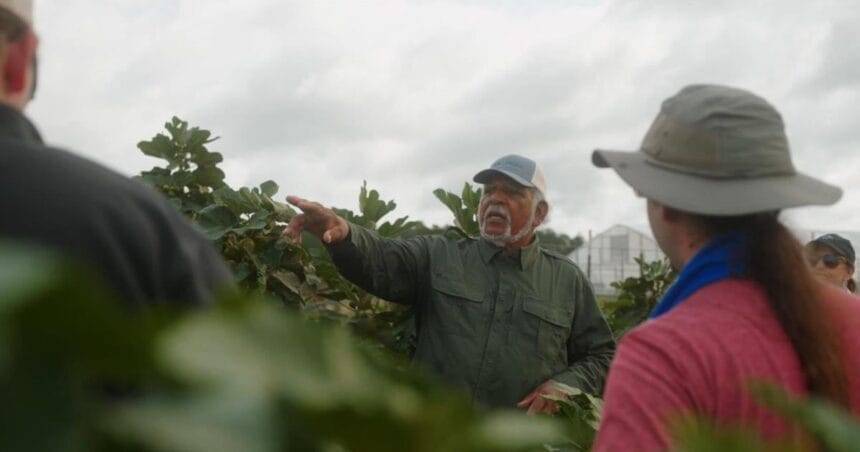
सैन्य दिग्गज जलवायु-अनुकूल खेती के बारे में जानने के लिए हिलेरी गोबर्ट के ड्रिफ्टवुड फार्म में एक फील्ड दिवस में भाग लेते हैं।
इसने आपको संरक्षण प्रयासों के साथ काम करने के लिए कैसे प्रेरित किया?
फ़ार्म जर्नल की एक संस्था है जिसे अमेरिकी कृषि संरक्षण आंदोलन कहा जाता है। वे हर राज्य में दो लोगों को प्रायोजित करते हैं और उन्हें क्षेत्र में दिन बिताने में मदद करते हैं ताकि दूसरों को संरक्षण के मामले में स्मार्ट बनने के बारे में सिखाया जा सके।
मैंने उनके साथ काम करना शुरू किया और मुझे एहसास हुआ कि मैं कितने अधिक लोगों तक पहुंच सकता हूं। यह सिर्फ समझ में आता है.
मैं अपने खेत के बारे में बात करने के लिए अधिक से अधिक संगठनों से संपर्क करने का प्रयास कर रहा हूं। लेकिन यह मेरा खेत नहीं है, यह कोई भी खेत हो सकता है जो जैविक संरक्षण विधियों का उपयोग कर रहा हो। हमें इस बात को और अधिक लोगों तक पहुंचाने की जरूरत है।’
खेती में संरक्षण के कुछ पहलू क्या हैं?
हम अपनी जलवायु में हो रहे परिवर्तनों को नकारने के लिए हमारे पास मौजूद सभी उपकरणों का कुशल उपयोग करना चाह रहे हैं। भले ही आप कैसे या क्यों मानते हैं कि जलवायु बदल रही है, हमें यह महसूस करना होगा कि जलवायु वास्तव में बदल रही है। हमें अभी इस पर ध्यान देना होगा।
जलवायु क्यों बदल रही है, इसके पीछे विज्ञान के विचारों में से एक वायुमंडल में जारी कार्बन की मात्रा के कारण है। इसलिए, जलवायु स्मार्ट खेती में, मुख्य चीजों में से एक जो हम करने की कोशिश करते हैं वह है कार्बन को पकड़ना और इसे मिट्टी में डालना, जहां से यह सबसे पहले आया था।
हिलेरी गोबर्ट के जानवर ड्रिफ्टवुड फ़ार्म में चरागाह के लिए निकले हुए हैं।
मैं एक जैविक किसान हूं, जिसका मतलब है कि मैं खेत में किसी भी तरह के कीटनाशकों या रसायनों का उपयोग नहीं करता हूं। मैं जुताई कम करने का भी प्रयास करता हूं क्योंकि इससे मिट्टी में अधिक कार्बन रहता है।
जल संरक्षण एक और समस्या है. हम ऐसे बहुत से खेत देखते हैं जिनमें बड़े-बड़े छिड़काव होते हैं जो पानी को हवा में उछालते हैं। उस पानी का लगभग 20% जमीन पर गिरने से पहले ही वाष्पित हो जाता है। मैं ड्रिप सिंचाई का उपयोग करता हूं, जहां मैं उस पानी को संरक्षित करने के लिए, पौधे की जड़ों में, गीली घास की छतरी के नीचे, जमीन के स्तर पर पानी छोड़ रहा हूं।
ड्रिप सिंचाई विधि के साथ, मैं लुइसियाना में औसत किसान चावल उगाने के लिए उपयोग किए जाने वाले पानी की 20% से भी कम मात्रा में चावल उगा रहा हूं।
कवर क्रॉपिंग में एक पूरी फसल उगाना शामिल है जिसे आप काटने नहीं जा रहे हैं, लेकिन आपको कार्बनिक पदार्थ को बहाल करने के लिए वापस मिट्टी में जोतना है।
आप किस प्रकार जैव विविधता और मृदा स्वास्थ्य को बढ़ावा देने का प्रयास करते हैं?
फार्म जर्नल के साथ फील्ड डेज़। जिस समूह के साथ हमने काम किया, वह अनुभवी किसान गठबंधन है, जिसका मुख्य उद्देश्य उन दिग्गजों के लिए है जो फार्म शुरू करने पर विचार कर रहे हैं। हमारे पिछले फ़ील्ड दिवस पर हमारे पास 39 अनुभवी लोग थे जिन्होंने उन कार्यक्रमों के बारे में सीखा जो विभिन्न सरकारी एजेंसियों से उनके लिए उपलब्ध हैं।
दुर्भाग्य से, छोटे खेतों में बड़ी विफलता दर होती है, और ज्यादातर बार, मुझे लगता है कि ऐसा इसलिए है क्योंकि जब उन्होंने अपनी उपज उगाना शुरू किया तो वे पर्याप्त रूप से शिक्षित नहीं थे। मैं फार्म शुरू करने से पहले अधिक शिक्षा पर जोर देता हूं।
पुनर्योजी और जलवायु-स्मार्ट कृषि का पूरा विचार मिट्टी की स्थिति में सुधार करते हुए पोषक तत्वों से भरपूर उच्च गुणवत्ता वाले भोजन का उत्पादन करना है।
आप हमारे पाठकों को लुइसियाना में खेती के बारे में क्या बताना चाहते हैं?
हमें किसानों को अब से भी अधिक समर्थन देने की जरूरत है, खासकर छोटे किसानों को, जिनके पास 1,000 एकड़ से भी कम जमीन है। उन्हें उतनी सहायता नहीं मिलती जितनी बड़े कॉरपोरेट फार्मों को मिलती है। हमें उत्पादन विधियों में हमारे पास मौजूद सभी मौजूदा विज्ञानों पर शिक्षित होने के लिए एक अवसर की आवश्यकता है।
अधिक जानकारी के लिए विजिट करें Driftwoodfarminiowa.com और एक लघु वीडियो के लिए अमेरिका का संरक्षण एजी आंदोलन।
Complete News In English(पूरी खबर – अंग्रेज़ी में)
Hilary Gobert is a seventh-generation farmer from southwest Louisiana. A native of St. Landry Parish, Gobert left his father’s farm as a young man to serve in the 101st Airborne Division during the Vietnam War. He later built a career in Atlanta and taught small-scale farming at Georgia Community College.
After retiring, Gobert purchased 65 acres of land with the vision of creating a climate-friendly farm. He has developed his mission in collaboration with the Natural Resources Conservation Service. He hosts “Field Days” with Farm Journal and their foundation, part of the American Conservation Ag Movement, where he teaches farmers to use conservation-smart and climate-friendly techniques.
How long have you been farming?
It’s been a rollercoaster journey for me. I come from a farming family. However, after finishing high school, I went straight to college, joined the military, and then went into private business.
When COVID hit, I reassessed my life. A year prior, I lost my wife after 51 years of marriage. I thought about where I was, what I wanted to do, and decided I really wanted to come back home, buy a farm, and turn it into a regenerative operation where I could teach others how to care for the soil and inspire more people to grow their own food.
Hilary Gobert’s Driftwood Farm.
What inspired you to teach others about climate-smart agriculture?
I worked with the agricultural department and their division (Natural Resources Conservation Service) in Georgia, helping people. I try to introduce people to new farming technologies.
People really need to educate themselves before they grow.
I remember asking my father, who was a great farmer, why we did things a certain way. He said, “Because it works,” but he never explained the science behind it. After I got educated in agriculture, I began to understand the science behind each method.
If you can learn the science behind it, it allows you to understand why you’re doing it and improve on what was done before.
Military veterans learn about climate-friendly farming at a Field Day at Hilary Gobert’s Driftwood Farm.
How did this inspire you to work with conservation efforts?
There is an organization called the American Agriculture Conservation Movement with Farm Journal. They sponsor two people from each state to spend time in the field teaching others about conservation.
I started working with them and realized how much more people I could reach. It just makes sense.
I am trying to reach out to more organizations to talk about my farm. But it isn’t just my farm; it could be any farm using organic conservation methods. We need to spread this message to more people.
What are some aspects of conservation in farming?
We want to make the best use of all the tools available to combat the climate changes we’re experiencing. Regardless of how or why you believe climate change is happening, we need to recognize that it is truly happening. We must pay attention to it now.
One scientific idea behind why climate is changing relates to the amount of carbon released into the atmosphere. Therefore, in climate-smart farming, one of the main things we try to do is capture carbon and put it back into the soil, where it originally came from.
Hilary Gobert’s animals are let out to pasture at Driftwood Farm.
I am an organic farmer, meaning I do not use any pesticides or chemicals on my farm. I also try to till less because it keeps more carbon in the soil.
Water conservation is another issue. We see many farms with big sprinklers that spray water into the air. About 20% of that water evaporates before it even hits the ground. I use drip irrigation, where I water at ground level to conserve that water, delivering it right to the plant’s roots, under a mulch cover.
With drip irrigation, I grow rice using less than 20% of the water that an average Louisiana farmer uses to grow rice.
Cover cropping is also important; it involves growing a crop that you’re not going to harvest, but you will till it back into the soil to restore organic matter.
How do you promote biodiversity and soil health?
We have Field Days with Farm Journal. The group we partnered with is the Veteran Farmer Coalition, aimed at veterans considering starting a farm. During our recent Field Day, we had 39 veterans learning about programs available to them from various government agencies.
Unfortunately, small farms often have high failure rates, mostly because they aren’t educated enough when they start growing. I emphasize more education before starting a farm.
The whole idea of regenerative and climate-smart agriculture is to improve soil conditions while producing nutrient-rich, high-quality food.
What would you like to tell our readers about farming in Louisiana?
We need to support farmers now more than ever, especially small farmers with less than 1,000 acres. They don’t receive as much assistance as larger corporate farms. We need more opportunities to educate ourselves about all the existing sciences regarding production methods.
For more information, visit Driftwoodfarminiowa.com and watch this short video about the American Conservation Ag Movement.