


Main Points In Hindi (मुख्य बातें – हिंदी में)
यहाँ "Saving Punjab and Haryana from ecological disaster" लेख के मुख्य बिंदु दिए गए हैं:
-
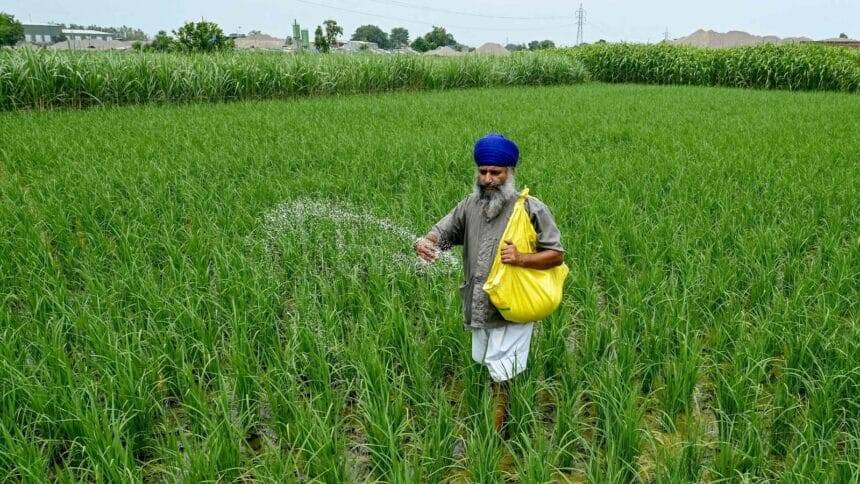
सुधार की आवश्यकता: पंजाब और हरियाणा में धान की खेती पारिस्थितिकीय संकट का कारण बन रही है। लेख में यह बताया गया है कि नीति निर्धारण को टिकाऊ और लाभदायक कृषि पर केंद्रित करने की आवश्यकता है।
-
किसानों के लिए उत्प्रेरक उपाय: सुझाव दिया गया है कि किसानों को धान की फसल से दलहन, तिलहन, बाजरा, और खरीफ मक्का जैसी कम हानिकारक फसलों की ओर रुख करने के लिए प्रोत्साहित किया जाना चाहिए।
-
वित्तीय सहायता का प्रस्ताव: एक प्रस्ताव दिया गया है जिसमें सरकार किसानों को प्रति हेक्टेयर ₹35,000 का लाभ देने का सुझाव देती है, जिससे वे अधिक लाभकारी फसलों की खेती कर सकें।
-
संसाधनों की बचत: इस नीति के कार्यान्वयन से किसानों को बिजली, नहर के पानी और उर्वरक के लिए दी जाने वाली सब्सिडी पर बचत होगी, जिसे फिर किसानों को एक अलग रूप में वापिस दिया जाएगा।
- संरक्षण की आवश्यकता: यदि ये उपाय लागू होते हैं, तो यह न केवल पंजाब और हरियाणा के उपजाऊ मैदानों को मरुस्थलीकरण से बचाने में मदद करेगा, बल्कि यह देश के लिए भी एक महत्वपूर्ण सेवा होगी।
Main Points In English(मुख्य बातें – अंग्रेज़ी में)
Here are the main points from the article "Saving Punjab and Haryana from ecological disaster":

-
Need for Sustainable Agricultural Policies: The article emphasizes the urgent need for India to shift its agricultural policy towards sustainable and profitable farming practices, particularly in the Punjab-Haryana belt where excessive rice cultivation is causing ecological harm.
-
Role of Punjab and Haryana Farmers: Farmers in Punjab and Haryana have historically played a significant role in feeding the nation. There is a collective responsibility of both state and central governments to support these farmers in transitioning to less environmentally damaging crops that are also more profitable than rice.
-
Innovative Policy Solutions: The authors propose innovative policy solutions, suggesting financial incentives for farmers to switch from rice to more sustainable crops such as pulses, oilseeds, and millets. They recommend a subsidy structure where the state and central government jointly provide ₹35,000 per hectare, with adjustments to existing subsidies.
-
Potential for Environmental Recovery: If implemented effectively, these policies could prevent the desertification of Punjab-Haryana’s fertile plains, thereby serving a significant ecological and agricultural interest for the country.
- Savings from Subsidies: The article argues that switching to these new policies could save on costs related to electricity, canal water, and fertilizer subsidies, which can be redirected to support farmers in a more environmentally friendly manner.
Complete News In Hindi(पूरी खबर – हिंदी में)
06 अक्टूबर, 2024 09:01 पूर्वाह्न IST
यह लेख रीना सिंह, पूर्वी थंगराज, रितिका जुनेजा और अशोक गुलाटी, आईसीआरआईईआर द्वारा लिखा गया है।
Complete News In English(पूरी खबर – अंग्रेज़ी में)
October 6, 2024, 09:01 AM IST
This article is written by Reena Singh, Eastern Thangraj, Ritika Juneja, and Ashok Gulati from ICRIER.
In simpler English:
This article discusses the need for sustainable farming policies in Punjab and Haryana, where rice farming is harming the environment. Farmers in these states have fed the country, and it’s important for governments to support them in switching to less damaging and more profitable crops. Innovative policies can help farmers change from rice to crops like pulses and maize, with financial support from the government. This can save the fertile land from turning into desert and provide great benefits for everyone.
You can read more about this paper here.