


Main Points In Hindi (मुख्य बातें – हिंदी में)
यहाँ सितंबर 2024 में बाढ़ और इसके परिणामों पर आधारित कुछ मुख्य बिंदु दिए गए हैं:
-
जलवायु संकट और बाढ़ का प्रभाव: सितंबर 2024 में दक्षिण एशिया, यूरोप, और अफ्रीका के विभिन्न देशों में अभूतपूर्व बाढ़ आई, जिसके कारण लाखों लोग प्रभावित हुए। जलवायु परिवर्तन के कारण हो रहे चरम मौसम की घटनाओं ने बाढ़ की तीव्रता को बढ़ाया है।
-
प्रतिक्रियाएँ और उपाय: भारत और पाकिस्तान जैसे देशों ने बाढ़ के दौरान नागरिकों की सुरक्षा के लिए आपातकालीन राहत अभियानों को सक्रिय किया। बाढ़ प्रभावित क्षेत्रों में अस्थायी आश्रय, भोजन, पानी, और मोबाइल स्वास्थ्य क्लिनिक की स्थापना की गई।
-
प्रौद्योगिकी और प्रारंभिक चेतावनी प्रणालियाँ: भारत और यूरोप में बाढ़ पूर्वानुमान प्रणालियों में प्रौद्योगिकी का उपयोग किया गया, जिसने बचाव कार्यों की क्षमता को बढ़ाया। ड्रोन और उपग्रह डेटा का उपयोग ने आपातकालीन प्रवास और राहत कार्यों में कुशलता लाई।
-
किनारे के क्षेत्रों में बुनियादी ढांचे की जरूरत: यूरोप में बाढ़ की घटनाओं ने क्षेत्रकर्ताओं में बुनियादी ढांचे की मजबूती की आवश्यकता को उजागर किया है। विकसित बाढ़ सुरक्षा प्रणालियों को सुनिश्चित करने के लिए ग्रामीण और छोटे शहरों को विशेष ध्यान दिया जाना चाहिए।
- अंतरराष्ट्रीय सहयोग और जलवायु लचीलापन: अफ्रीका में बाढ़ से स्पष्ट हुआ कि जलवायु परिवर्तन से प्रभावित कमजोर समुदायों के लिए अंतरराष्ट्रीय सहयोग और सहायता की आवश्यकता है। जलवायु वित्त और स्वास्थ्य सेवाओं में सुधार से इन समुदायों की लचीलापन को बढ़ाने में मदद मिलेगी।
ये बिंदु हमें यह समझाते हैं कि बाढ़ से निपटने के लिए समन्वित प्रयासों, प्रौद्योगिकी, और बुनियादी ढांचे के विकास की आवश्यकता है।

Main Points In English(मुख्य बातें – अंग्रेज़ी में)
Here are the main points from the article about the flooding crisis in September 2024:
-
Widespread Impact of Flooding: In September 2024, severe flooding affected multiple continents, notably South Asia, Europe, and Africa, displacing millions and causing significant destruction, primarily due to intensified extreme weather patterns linked to the climate crisis.
-
Lessons from South Asia: Countries like India and Pakistan faced devastating monsoon floods affecting over 10 million people. The importance of early warning systems was highlighted, particularly in India, where investments helped reduce potential casualties, even though the scale of destruction revealed limitations.
-
Response Measures in Europe: Central and Eastern European nations like Slovenia, Austria, and Germany experienced severe flooding. Emergency response teams using advanced technologies (e.g., drones) and effective flood defense systems helped mitigate damage, though challenges remained, particularly in rural areas.
-
Africa’s Vulnerability: Flooding in Nigeria, Chad, and Cameroon underscored how climate change exacerbates the vulnerability of impoverished communities. The response efforts were hampered by existing infrastructure weaknesses, necessitating more investment in climate resilience.
- Key Recommendations for Future Preparedness: The article emphasized the need for technology-driven early warning systems, investment in resilient infrastructure, international cooperation in disaster response, and enhancing climate resilience in vulnerable communities to better prepare for and mitigate the effects of future flooding events.
Complete News In Hindi(पूरी खबर – हिंदी में)
सितंबर 2024 में कई महाद्वीपों में बाढ़ में चिंताजनक वृद्धि देखी गई, जिससे व्यापक विनाश हुआ और लाखों लोगों का जीवन प्रभावित हुआ। दक्षिण एशिया, यूरोप और अफ़्रीका के देश विशेष रूप से बुरी तरह प्रभावित हुए, क्योंकि जलवायु संकट के प्रभावों के कारण लगातार बारिश के कारण अभूतपूर्व बाढ़ का स्तर बढ़ गया। ये बाढ़ सरकारों, अंतर्राष्ट्रीय संगठनों और समुदायों के लिए अपनी जलवायु लचीलापन और आपदा तैयारियों को बढ़ाने के लिए एक चेतावनी के रूप में काम करती है।
जबकि विनाश क्षेत्र के अनुसार अलग-अलग था, इन घटनाओं में एक सामान्य सूत्र था: जलवायु संकट ने चरम मौसम पैटर्न की तीव्रता को बढ़ा दिया है, यहां तक कि अच्छी तरह से तैयार राष्ट्रों को भी चुनौती दी है। इस संदर्भ में, यह जांचना कि विभिन्न देशों ने संकट पर कैसे प्रतिक्रिया दी, वैश्विक बाढ़ तैयारियों के लिए मूल्यवान सबक प्रदान करता है।
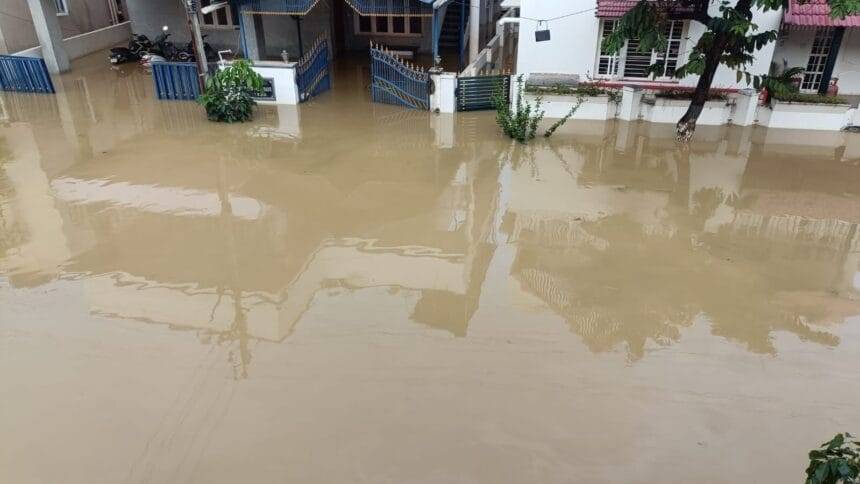
दक्षिण एशिया, विशेष रूप से भारत और पाकिस्तान ने सितंबर 2024 में घातक मानसून के मौसम का अनुभव किया, जिसके परिणामस्वरूप विनाशकारी बाढ़ आई जिससे दोनों देशों में 10 मिलियन से अधिक लोग प्रभावित हुए। भारत में असम राज्य में चालीस लाख से अधिक निवासी विस्थापित हुए क्योंकि उफनती नदियों ने अपने किनारों को तोड़ दिया, जिससे घर, सड़कें और खेत जलमग्न हो गए। बिहार और पश्चिम बंगाल भी भारी रूप से प्रभावित हुए, गंगा और ब्रह्मपुत्र नदियों की बाढ़ के कारण कई जिलों को आपदा क्षेत्र घोषित कर दिया गया, सिंध और पंजाब के प्रांतों को बाढ़ का खामियाजा भुगतना पड़ा। मूसलाधार बारिश के कारण शहरी इलाकों में अचानक बाढ़ आ गई, जबकि प्रमुख नदियों के किनारे के ग्रामीण गांव जलमग्न हो गए, जिससे पशुधन और फसलों की बड़े पैमाने पर हानि हुई। मौजूदा बुनियादी ढांचे की चुनौतियों और क्षेत्र में चल रही आर्थिक कठिनाइयों के कारण मानवीय संकट और बढ़ गया था।
भारत में, राष्ट्रीय आपदा प्रतिक्रिया बल (एनडीआरएफ) के नेतृत्व वाले खोज और बचाव अभियान, फंसे हुए नागरिकों को सुरक्षा के लिए एयरलिफ्ट कर रहे हैं, जबकि स्थानीय अधिकारियों ने विस्थापित आबादी के लिए अस्थायी आश्रय और राहत शिविर स्थापित किए हैं। बाढ़ प्रभावित क्षेत्रों में बीमारी के प्रकोप को रोकने के लिए मोबाइल स्वास्थ्य क्लीनिक तैनात किए गए थे, खासकर असम में, जहां स्वच्छ पेयजल की भारी कमी थी।
पाकिस्तान की सरकार ने यूनिसेफ और विश्व खाद्य कार्यक्रम (डब्ल्यूएफपी) जैसी अंतरराष्ट्रीय एजेंसियों के साथ मिलकर हजारों विस्थापित परिवारों को भोजन, पानी और स्वच्छता प्रदान करने के लिए काम किया। पाकिस्तान ने प्राकृतिक आपदाओं के दौरान समन्वित नागरिक-सैन्य सहयोग की आवश्यकता को मजबूत करते हुए, बाढ़ प्रभावित क्षेत्रों में निकासी कार्यों के लिए अपने सैन्य बलों का भी उपयोग किया।
दक्षिण एशियाई अनुभव की एक प्रमुख सीख प्रारंभिक चेतावनी प्रणालियों का महत्व है। बाढ़ पूर्वानुमान प्रणालियों में भारत के निवेश ने, विशेष रूप से बाढ़-प्रवण क्षेत्रों में, संभावित मानव हताहतों को कम करने में मदद की। हालाँकि, विनाश के पैमाने ने तेजी से बढ़ती मौसम की घटनाओं के सामने इन प्रणालियों की सीमाओं को उजागर किया, जिससे बुनियादी ढांचे के लचीलेपन को और अधिक उन्नत करने की मांग की गई।
यूरोप में, सितंबर में अभूतपूर्व वर्षा के कारण मध्य और पूर्वी यूरोप में गंभीर बाढ़ आ गई, जिससे स्लोवेनिया, ऑस्ट्रिया, चेक गणराज्य और जर्मनी के कुछ हिस्से सबसे अधिक प्रभावित हुए। स्लोवेनिया में पूरे शहर जलमग्न हो गए क्योंकि बाढ़ के पानी ने घरों को नष्ट कर दिया और वाहन बह गए। ऑस्ट्रिया में समान रूप से तीव्र बाढ़ का अनुभव हुआ, विशेष रूप से निचले इलाकों और नदी घाटियों में, जिससे बड़े पैमाने पर निकासी हुई।
इस साल की बाढ़ लंबे समय तक हुई मूसलाधार बारिश का नतीजा थी, जिससे क्षेत्र की नदियाँ जलमग्न हो गईं, साथ ही पिछले महीनों के गीले मौसम से संतृप्त मिट्टी की स्थिति भी पैदा हुई। जवाब में, यूरोपीय देशों ने आपातकालीन बाढ़ सुरक्षा को सक्रिय किया, लेकिन बाढ़ की व्यापक प्रकृति ने इन सुरक्षा की सीमाओं का परीक्षण किया।
स्लोवेनिया और ऑस्ट्रिया ने तुरंत अपनी आपदा प्रतिक्रिया टीमों को जुटाया, जिसमें अग्निशामकों, पुलिस और सैन्य इकाइयों ने कमजोर समुदायों को निकालने का नेतृत्व किया। स्लोवेनिया ने बाढ़ की सीमा पर नज़र रखने और बचाव टीमों को सबसे अधिक ज़रूरत वाले क्षेत्रों में निर्देशित करने के लिए ड्रोन तकनीक और उपग्रह डेटा का उपयोग किया। इन तकनीकी उपकरणों ने आपातकालीन परिचालनों में समन्वय और दक्षता में सुधार किया, जिससे लोगों की जान बचाई गई।
ऑस्ट्रिया की बाढ़ रक्षा प्रणालियाँ, जिनमें बाढ़ डायवर्जन चैनल, बाधाएं और तटबंध शामिल हैं, ने शहरी क्षेत्रों में क्षति को कम किया है। इन उपायों के बावजूद, कृषि क्षेत्रों को महत्वपूर्ण नुकसान हुआ, जिससे ग्रामीण समुदायों में लचीले बुनियादी ढांचे के विस्तार पर चर्चा हुई।
यूरोप में, 2024 की बाढ़ ने टिकाऊ बुनियादी ढांचे में निवेश के महत्व को रेखांकित किया। जबकि वियना और प्राग जैसे शहरों को उन्नत बाढ़ नियंत्रण प्रणालियों से लाभ हुआ, छोटे शहरों और ग्रामीण क्षेत्रों, विशेष रूप से स्लोवेनिया में, अधिक जोखिम का सामना करना पड़ा। आगे बढ़ते हुए, यूरोपीय देशों से प्रमुख शहरी केंद्रों से परे बाढ़ सुरक्षा में सुधार के लिए अधिक संसाधन आवंटित करने की उम्मीद की जाती है।
अफ्रीका में 2024 की बाढ़, विशेष रूप से नाइजीरिया, चाड और कैमरून जैसे क्षेत्रों में, एक और गंभीर अनुस्मारक थी कि कैसे जलवायु परिवर्तन गरीब और संघर्ष-ग्रस्त समुदायों की भेद्यता को बढ़ा रहा है। बरसात के मौसम के दौरान, जो अगस्त और सितंबर में तेज़ हो गया, मूसलाधार बारिश के कारण नाइजर और बेनु नदियाँ उफान पर आ गईं, जिससे हजारों लोग विस्थापित हो गए और महत्वपूर्ण बुनियादी ढाँचा नष्ट हो गया।
चाड और कैमरून में, बाढ़ के कारण समुदाय भोजन या साफ पानी तक पहुंच के बिना फंसे हुए हैं। पहले से ही गरीबी, कमजोर प्रशासन और सीमित स्वास्थ्य देखभाल सेवाओं से जूझ रहे इन क्षेत्रों को भारी मानवीय संकट का सामना करना पड़ा क्योंकि अस्थायी शिविरों में जलजनित बीमारियाँ फैलने लगीं।
नाइजीरिया और कैमरून की सरकारों ने, अंतर्राष्ट्रीय मानवीय संगठनों के साथ, भोजन, स्वच्छ पानी और चिकित्सा आपूर्ति प्रदान करके राहत प्रयास शुरू किए। मलेरिया, हैजा और अन्य जलजनित बीमारियों के प्रसार से निपटने के लिए मोबाइल स्वास्थ्य इकाइयाँ तैनात की गईं। हालाँकि, कमजोर बुनियादी ढांचे और सीमित लॉजिस्टिक क्षमता ने इन प्रतिक्रियाओं की समग्र प्रभावशीलता में बाधा उत्पन्न की।
दीर्घकालिक प्रयासों ने जल प्रबंधन प्रणालियों में सुधार और बाढ़ सुरक्षा को मजबूत करने पर ध्यान केंद्रित किया है, हालांकि विशेषज्ञों ने बताया है कि अफ्रीका के सबसे कमजोर समुदायों की रक्षा के लिए अधिक निवेश की आवश्यकता है। अफ्रीकी विकास बैंक और अन्य अंतर्राष्ट्रीय एजेंसियों ने देशों को बाढ़-रोधी बुनियादी ढाँचे के निर्माण में मदद करने के लिए जलवायु वित्तपोषण बढ़ाने का आह्वान किया है।
2024 में अफ्रीका की बाढ़ जलवायु संकट, गरीबी और शासन चुनौतियों के अंतर्संबंध को उजागर करती है। इन अंतर्निहित कमजोरियों को संबोधित किए बिना, महाद्वीप जलवायु संबंधी आपदाओं से असमान रूप से पीड़ित होता रहेगा।
सितंबर 2024 की बाढ़ बाढ़ की तैयारी और प्रतिक्रिया के लिए महत्वपूर्ण सबक प्रकट करती है जो वैश्विक स्तर पर भविष्य के प्रयासों का मार्गदर्शन कर सकती है:
प्रौद्योगिकी-संचालित प्रारंभिक चेतावनी प्रणालियाँ: भारत की बाढ़ पूर्वानुमान प्रणालियाँ और यूरोप में आपदा प्रतिक्रिया में उपग्रह और ड्रोन प्रौद्योगिकी का उपयोग दर्शाता है कि उन्नत चेतावनी तंत्र कैसे लोगों की जान बचा सकते हैं। ग्रामीण और दूरदराज के इलाकों में संचार नेटवर्क में सुधार से सामुदायिक तत्परता बढ़ सकती है और बाढ़ से होने वाली मौतों को कम किया जा सकता है।
लचीला बुनियादी ढाँचा निवेश: बाढ़ अवरोधों और डायवर्जन प्रणालियों में यूरोप का निवेश शहरी क्षेत्रों में प्रभावी साबित हुआ है, लेकिन ग्रामीण समुदाय अत्यधिक असुरक्षित बने हुए हैं। विश्व स्तर पर, सरकारों को स्थायी बुनियादी ढांचे के विकास को प्राथमिकता देनी चाहिए जो चरम मौसम की घटनाओं का सामना कर सके, खासकर बार-बार बाढ़ आने की संभावना वाले क्षेत्रों में।
अंतर्राष्ट्रीय सहयोग और सहायता: अंतर्राष्ट्रीय मानवीय एजेंसियों के समर्थन से, दक्षिण एशिया और अफ्रीका में देखे गए सामूहिक प्रतिक्रिया प्रयास, आपदा प्रबंधन में सीमा पार सहयोग की आवश्यकता को रेखांकित करते हैं। सीमाओं के पार संसाधनों, विशेषज्ञता और प्रौद्योगिकी को एकत्रित करने से प्रतिक्रिया क्षमता मजबूत हो सकती है और प्रभावित क्षेत्रों में तेजी से सुधार सुनिश्चित हो सकता है।
कमजोर समुदायों में जलवायु लचीलेपन का निर्माण: अफ्रीका का अनुभव वैश्विक जलवायु वित्त की तत्काल आवश्यकता पर प्रकाश डालता है जिसका उद्देश्य उन समुदायों के लचीलेपन को बढ़ाना है जो जलवायु-प्रेरित आपदाओं के प्रति सबसे अधिक संवेदनशील हैं। बाढ़-प्रवण क्षेत्रों में स्वच्छ जल, स्वास्थ्य सेवा और टिकाऊ आवास तक पहुंच में सुधार करना भविष्य की आपदाओं की मानवीय लागत को कम करने के लिए आवश्यक होगा।
सितंबर 2024 का वैश्विक बाढ़ संकट जलवायु परिवर्तन से प्रेरित प्राकृतिक आपदाओं की बढ़ती आवृत्ति और तीव्रता की स्पष्ट याद दिलाता है। दक्षिण एशिया से लेकर यूरोप और अफ्रीका तक, इन बाढ़ों ने मौजूदा बुनियादी ढांचे और तैयारी प्रणालियों में कमजोरियों को उजागर किया है, साथ ही यह महत्वपूर्ण सबक भी दिया है कि देश कैसे लचीलापन बना सकते हैं। प्रारंभिक चेतावनी प्रणालियों, बाढ़ सुरक्षा और टिकाऊ बुनियादी ढांचे में निवेश करके, सरकारें अपने नागरिकों को बदलती जलवायु की अपरिहार्य चुनौतियों से बेहतर ढंग से बचा सकती हैं। भविष्य में बाढ़ की घटनाओं के प्रभाव को कम करने के लिए अंतरराष्ट्रीय स्तर पर सहयोगात्मक प्रयास महत्वपूर्ण होंगे।
यह लेख अनन्या राज काकोटी, विद्वान, अंतरराष्ट्रीय संबंध, जवाहरलाल नेहरू विश्वविद्यालय, नई दिल्ली द्वारा लिखा गया है।
Complete News In English(पूरी खबर – अंग्रेज़ी में)
In September 2024, many continents experienced alarming increases in flooding, resulting in widespread destruction and affecting millions of lives. Countries in South Asia, Europe, and Africa were particularly hard hit due to the ongoing impacts of climate change, which led to unprecedented levels of flooding from continuous rainfall. These floods serve as a warning for governments, international organizations, and communities to enhance their climate resilience and disaster preparedness.
While the destruction varied by region, a common theme was that the climate crisis intensified extreme weather patterns, challenging even well-prepared nations. Analyzing how different countries responded to this crisis provides valuable lessons for global flood preparedness.
South Asia, especially India and Pakistan, faced a deadly monsoon season in September 2024, leading to devastating floods that affected over 10 million people in both countries. In India, the state of Assam was severely impacted, with over four million residents displaced as overflowing rivers breached their banks, submerging homes, roads, and fields. Other states like Bihar and West Bengal also faced significant flooding, prompting disaster declarations in several districts. Urban areas experienced sudden floods from heavy rains, while rural villages along major rivers were inundated, causing massive losses of livestock and crops. Challenges related to existing infrastructure and ongoing economic difficulties exacerbated the humanitarian crisis.
In India, the National Disaster Response Force (NDRF) led search and rescue operations, airlifting trapped citizens to safety, while local officials set up temporary shelters and relief camps for the displaced population. Mobile health clinics were deployed in flood-affected areas to prevent disease outbreaks, especially in Assam, where there was a significant lack of clean drinking water.
The government of Pakistan collaborated with international agencies like UNICEF and the World Food Program (WFP) to provide food, water, and sanitation to thousands of displaced families. Pakistan also utilized its military in evacuation efforts, emphasizing the need for coordinated civil-military cooperation during natural disasters.
A key takeaway from the South Asian experience is the importance of early warning systems. Investment in flood forecasting systems in India has helped reduce potential human casualties, particularly in flood-prone areas. However, the scale of destruction highlighted the limitations of these systems in the face of rapidly intensifying weather events, calling for enhanced infrastructure resilience.
In Europe, unprecedented rainfall in September caused significant flooding in Central and Eastern Europe, particularly affecting parts of Slovenia, Austria, the Czech Republic, and Germany. Entire cities in Slovenia were submerged as floodwaters destroyed homes and swept away vehicles. Austria also experienced severe flooding, especially in low-lying areas and river valleys, leading to large-scale evacuations.
This year’s floods were the result of prolonged heavy rainfall, making regional rivers overflow, compounded by saturated soil conditions from wet weather in previous months. In response, European countries activated emergency flood protection, but the widespread nature of the flooding tested the limits of these defenses.
Slovenia and Austria quickly mobilized their disaster response teams, with firefighters, police, and military units leading evacuations in vulnerable communities. Slovenia used drone technology and satellite data to monitor the extent of flooding and direct rescue teams to areas in greatest need. These technological tools improved coordination and efficiency in emergency operations, saving lives.
Austria’s flood defense systems, including diversion channels and barriers, helped mitigate damage in urban areas. Despite these measures, agricultural areas suffered significant damage, sparking discussions about enhancing resilient infrastructure in rural communities.
In Europe, the floods of 2024 underscored the importance of investing in sustainable infrastructure. While cities like Vienna and Prague benefited from advanced flood control systems, smaller towns and rural areas, particularly in Slovenia, faced greater risks. Moving forward, it is expected that European countries will allocate more resources to improve flood protection beyond major urban centers.
In Africa, the flooding in 2024, especially in areas like Nigeria, Chad, and Cameroon, served as another serious reminder of how climate change elevates the vulnerability of impoverished and conflict-affected communities. During the rainy season, which intensified in August and September, heavy rains caused the Niger and Benue rivers to overflow, displacing thousands and destroying crucial infrastructure.
In Chad and Cameroon, flooding trapped communities without access to food or clean water. These regions, already struggling with poverty, weak governance, and limited healthcare services, faced a severe humanitarian crisis as waterborne diseases began to spread in makeshift camps.
The governments of Nigeria and Cameroon initiated relief efforts in collaboration with international humanitarian organizations, providing food, clean water, and medical supplies. Mobile health units were deployed to address the spread of malaria, cholera, and other waterborne diseases. However, weak infrastructure and limited logistical capacity hindered the overall effectiveness of these responses.
Long-term efforts are focused on improving water management systems and strengthening flood defenses, although experts emphasize the need for increased investment to protect Africa’s most vulnerable communities. The African Development Bank and other international agencies have called for increased climate financing to help countries build flood-resistant infrastructure.
The flooding in Africa in 2024 highlights the interconnectedness of the climate crisis, poverty, and governance challenges. Without addressing these underlying vulnerabilities, the continent will continue to suffer disproportionately from climate-related disasters.
The floods in September 2024 reveal critical lessons for flood preparedness and response that can guide future global efforts:
**Technology-driven early warning systems**: India’s flood forecasting systems and Europe’s use of satellite and drone technology in disaster response demonstrate how advanced warning mechanisms can save lives. Improving communication networks in rural and remote areas can enhance community readiness and reduce flood-related fatalities.
**Investment in resilient infrastructure**: Europe’s investments in flood barriers and diversion systems have proven effective in urban areas, but rural communities remain highly vulnerable. Governments worldwide must prioritize the development of sustainable infrastructure capable of withstanding extreme weather events, especially in flood-prone regions.
**International cooperation and aid**: The collective response efforts observed in South Asia and Africa, supported by international humanitarian agencies, underline the need for cross-border cooperation in disaster management. Pooling resources, expertise, and technology across borders can strengthen response capacities and ensure rapid recovery in affected areas.
**Building climate resilience in vulnerable communities**: Experiences from Africa highlight the urgent need for global climate financing aimed at enhancing the resilience of communities most susceptible to climate-induced disasters. Improving access to clean water, healthcare, and sustainable housing in flood-prone areas will be essential to reduce the humanitarian costs of future disasters.
The global flood crisis of September 2024 serves as a stark reminder of the increasing frequency and intensity of climate change-driven natural disasters. From South Asia to Europe and Africa, these floods have exposed vulnerabilities in existing infrastructure and preparedness systems while imparting key lessons on how countries can build resilience. By investing in early warning systems, flood defenses, and sustainable infrastructure, governments can better protect their citizens from the inevitable challenges of a changing climate. Collaborative international efforts will be crucial in mitigating the impacts of future flooding events.
This article was written by Ananya Raj Kakoti, a scholar in International Relations at Jawaharlal Nehru University, New Delhi.