


Main Points In Hindi (मुख्य बातें – हिंदी में)
यहाँ "प्लास्टिक के जीवनचक्र का प्रबंधन: अर्थव्यवस्था और प्रदूषण के लिए एक संतुलित दृष्टिकोण" पर आधारित कुछ मुख्य बिंदु दिए गए हैं:
-
प्लास्टिक का आर्थिक महत्व: प्लास्टिक का व्यापक उपयोग विभिन्न उद्योगों जैसे स्वास्थ्य देखभाल, पैकेजिंग और बुनियादी ढांचे में होता है, जो आर्थिक विकास और नवाचार को बढ़ावा देता है। भारत में प्लास्टिक उत्पादन में तेजी आई है, जिससे रोजगार के अवसर और निर्यात की वृद्धि हुई है।
-
पर्यावरणीय चुनौतियाँ: प्लास्टिक का असंगठित निपटान और प्रदूषण एक गंभीर पर्यावरणीय समस्या बन गई है, विशेषकर विकासशील देशों में। भारत में प्रतिवर्ष 9.3 मिलियन टन प्लास्टिक का उत्पादन होता है, जिससे जलमार्गों और लैंडफिल का अवरुद्ध होना तथा माइक्रोप्लास्टिक्स का प्रदूषण होता है।
-
निपटान और पुनर्चक्रण के लिए रणनीतियाँ: यह आवश्यक है कि प्लास्टिक प्रदूषण को नियंत्रित करने के लिए प्रभावी अपशिष्ट प्रबंधन प्रथाओं का विकास किया जाए। भारत ने प्लास्टिक अपशिष्ट प्रबंधन नियमों और विस्तारित उत्पादक उत्तरदायित्व (EPR) नीतियों के माध्यम से कदम उठाए हैं, जिससे व्यवसायों में पर्यावरणीय जिम्मेदारी बढ़ाई जा सके।
-
वैश्विक सहयोग और संधि: भारत को वैश्विक प्लास्टिक संधि में सक्रिय भागीदारी करनी चाहिए, जो प्लास्टिक उत्पादन, रीसाइक्लिंग और अपशिष्ट प्रबंधन पर कानूनी रूप से बाध्यकारी प्रतिबद्धताएँ स्थापित करती है। इससे भारत को अंतर्राष्ट्रीय प्रौद्योगिकी और वित्तीय संसाधनों तक पहुंच प्राप्त होगी।
- सतत विकास और प्रणालीगत परिवर्तन: प्लास्टिक के जीवनचक्र के सभी चरणों (उत्पादन से निपटान तक) में स्थायी प्रथाओं को लागू करने की आवश्यकता है। इसका उद्देश्य हानिकारक रसायनों को समाप्त करना और बायोडिग्रेडेबल सामग्रियों की खोज को प्रोत्साहित करना है, जिससे पर्यावरणीय प्रभाव को कम किया जा सके।
इन बिंदुओं के माध्यम से, यह स्पष्ट होता है कि भारत को अपनी आर्थिक प्रगति के साथ-साथ पर्यावरणीय जिम्मेदारी को भी ध्यान में रखना होगा।

Main Points In English(मुख्य बातें – अंग्रेज़ी में)
Here are 4 main points summarized from the given text about managing the lifecycle of plastics:
-
Plastics and Economic Growth: Plastics have become essential in various sectors, such as healthcare, packaging, and infrastructure, contributing significantly to economic growth and innovation. In India, the plastic sector has been a major driver of industrial growth, generating jobs and supporting the government’s aim to develop a $5 trillion economy.
-
Environmental Challenges: Despite the economic benefits, the mismanagement of plastic waste has led to serious environmental issues, especially in developing countries. The country struggles with improper waste disposal, leading to pollution and ecosystem degradation, emphasizing the need for effective waste management practices.
-
Global Cooperation and Policy Initiatives: Addressing plastic pollution requires national efforts as well as participation in global initiatives, such as the ongoing negotiations for a global plastics treaty under the UN. This treaty aims to establish legally binding commitments for plastic production, recycling, and waste management, enabling countries like India to enhance environmental credibility and innovation in sustainable practices.
- Systematic Change and Recycling: For effective plastic waste management, there’s a crucial need for a systemic approach that encompasses the entire lifecycle of plastics. This includes strengthening recycling systems, promoting biodegradable alternatives, and ensuring better waste collection, especially in under-served areas. India has shown progress through initiatives like the Swachh Bharat Mission, which enhance waste management practices and integrate informal waste workers into formal systems, creating a more sustainable circular economy.
Complete News In Hindi(पूरी खबर – हिंदी में)
प्लास्टिक आधुनिक जीवन का एक अनिवार्य हिस्सा बन गया है, जो स्वास्थ्य देखभाल से लेकर पैकेजिंग और बुनियादी ढांचे तक हर चीज में अंतर्निहित है। इसकी बहुमुखी प्रतिभा और लागत-प्रभावशीलता ने वैश्विक आर्थिक विकास को बढ़ावा दिया है, उद्योगों में नवाचार को बढ़ावा दिया है। स्वास्थ्य देखभाल में, प्लास्टिक बाँझ चिकित्सा उपकरणों के लिए आवश्यक है, जबकि पैकेजिंग में, यह खाद्य संरक्षण सुनिश्चित करता है और अपशिष्ट को कम करता है। हालाँकि, प्लास्टिक कचरे का कुप्रबंधन और प्रदूषण, विशेष रूप से अनुचित निपटान से, हमारे समय की सबसे महत्वपूर्ण पर्यावरणीय चुनौतियों में से कुछ बन गए हैं। जबकि प्लास्टिक ने निर्विवाद रूप से वैश्विक अर्थव्यवस्था को आकार दिया है, एकल-उपयोग उत्पादों पर व्यापक निर्भरता और खराब अपशिष्ट प्रबंधन ने गंभीर प्रदूषण को जन्म दिया है, खासकर विकासशील देशों में।
प्लास्टिक भारत के आर्थिक उत्थान में महत्वपूर्ण रहा है, जिससे विनिर्माण, स्वास्थ्य देखभाल और बुनियादी ढांचे जैसे उद्योगों में विकास हुआ है। जैसे-जैसे इस क्षेत्र का विस्तार जारी है, रोजगार और नवाचार में इसका योगदान तेजी से महत्वपूर्ण होता जा रहा है। एक मजबूत निर्यात बाजार के साथ, जो केवल दो वर्षों में $500 मिलियन से बढ़कर $776 मिलियन हो गया, प्लास्टिक भारत के व्यापार पारिस्थितिकी तंत्र में एक प्रमुख खिलाड़ी साबित हो रहा है। इसके अलावा, प्लास्टिक क्षेत्र ने युवा पीढ़ी के लिए रोजगार पैदा किया है और 5 ट्रिलियन डॉलर की अर्थव्यवस्था बनाने के व्यापक लक्ष्य में योगदान दिया है।
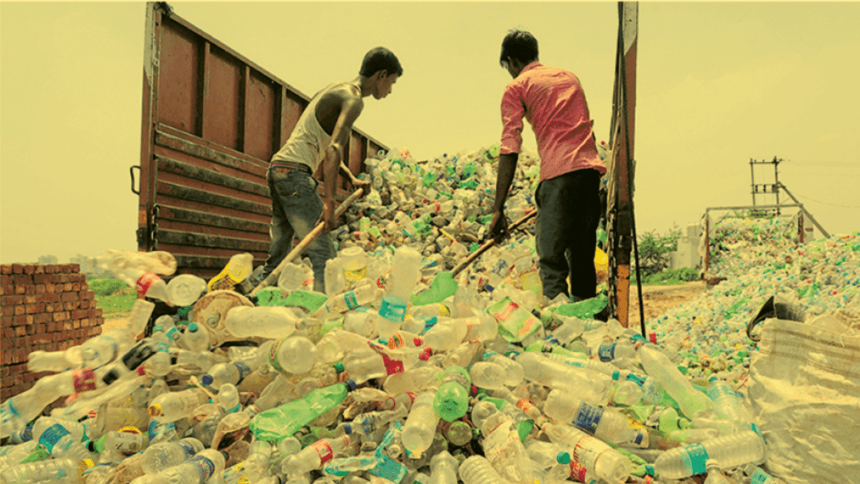
भारत में सालाना 9.3 मिलियन टन प्लास्टिक का उत्पादन होता है, जो एक चौंका देने वाला आंकड़ा है, जिसके कारण अनुचित अपशिष्ट निपटान के कारण व्यापक प्रदूषण हुआ है। अवरुद्ध जलमार्ग, अतिप्रवाहित लैंडफिल और पारिस्थितिक तंत्र में माइक्रोप्लास्टिक्स प्लास्टिक के उपयोग के पर्यावरणीय प्रभाव को प्रबंधित करने के लिए देश के संघर्ष को उजागर करते हैं। चुनौती स्वयं प्लास्टिक नहीं है, बल्कि प्रभावी अपशिष्ट प्रबंधन प्रथाओं की आर्थिक लागत के साथ उनके आर्थिक लाभों को संतुलित करने में विफलता है। निर्णायक कार्रवाई के बिना, दीर्घकालिक पर्यावरणीय क्षति अल्पकालिक आर्थिक लाभ पर भारी पड़ेगी।
जबकि राष्ट्रीय प्रयास महत्वपूर्ण हैं, भारत को प्लास्टिक प्रदूषण को संबोधित करने के उद्देश्य से वैश्विक पहल में भी सक्रिय रूप से भाग लेना चाहिए, जैसे कि वर्तमान में संयुक्त राष्ट्र के तत्वावधान में वैश्विक प्लास्टिक संधि पर बातचीत चल रही है। यह संधि वैश्विक सहयोग के लिए एक ऐतिहासिक अवसर का प्रतिनिधित्व करती है, जो प्लास्टिक उत्पादन, रीसाइक्लिंग और अपशिष्ट प्रबंधन पर कानूनी रूप से बाध्यकारी प्रतिबद्धताएं स्थापित करने का प्रयास करती है। ऐसे अंतर्राष्ट्रीय समझौतों पर हस्ताक्षर और समर्थन करके, भारत वैश्विक पर्यावरण कूटनीति में अपने नेतृत्व को मजबूत कर सकता है, और खुद को सतत विकास की दिशा में विश्वव्यापी आंदोलन के साथ जोड़ सकता है।
वैश्विक प्लास्टिक संधि के लिए व्यापार गठबंधन, जो घरेलू और अंतर्राष्ट्रीय दोनों उद्योग जगत के नेताओं की एक विस्तृत श्रृंखला का प्रतिनिधित्व करता है, इस संधि का एक मजबूत समर्थक रहा है। अपने आदर्श वाक्य, व्यवसायों को वैश्विक नियमों की आवश्यकता के साथ, गठबंधन इस बात पर जोर देता है कि कंपनियों के लिए प्लास्टिक कचरे को प्रभावी ढंग से प्रबंधित करने और अधिक टिकाऊ प्रथाओं में बदलाव के लिए समान वैश्विक मानक आवश्यक हैं। स्पष्ट, सुसंगत अंतरराष्ट्रीय नियमों के लिए गठबंधन का दबाव इस बढ़ती मान्यता को रेखांकित करता है कि प्लास्टिक प्रदूषण संकट को हल करने के लिए सीमाओं और उद्योगों में समन्वित कार्रवाई की आवश्यकता है।
वैश्विक प्लास्टिक संधि में भारत की भागीदारी न केवल इसकी पर्यावरणीय विश्वसनीयता को बढ़ाएगी बल्कि अंतरराष्ट्रीय प्रौद्योगिकी हस्तांतरण, वित्त पोषण और साझेदारी तक पहुंच भी खोलेगी जो एक चक्रीय प्लास्टिक अर्थव्यवस्था में परिवर्तन को गति दे सकती है। इसके अलावा, यह संधि भारत को अपनी घरेलू नीतियों को अंतरराष्ट्रीय सर्वोत्तम प्रथाओं के साथ सुसंगत बनाने, बायोडिग्रेडेबल सामग्रियों, टिकाऊ पैकेजिंग और परिपत्र अर्थव्यवस्था समाधानों में नवाचार को प्रोत्साहित करने में मदद कर सकती है। ऐसी संधि पर हस्ताक्षर करने से सतत विकास के प्रति भारत की प्रतिबद्धता की पुष्टि होगी और यह सुनिश्चित होगा कि इसके उद्योग वैश्विक मंच पर प्रतिस्पर्धी बने रहेंगे।
आर्थिक विकास को बनाए रखते हुए प्लास्टिक प्रदूषण को प्रभावी ढंग से कम करने के लिए डाउनस्ट्रीम प्रबंधन महत्वपूर्ण है, क्योंकि यह प्लास्टिक उत्पादों के जीवन के अंत चरण पर ध्यान केंद्रित करता है, जहां पर्यावरणीय नुकसान की संभावना सबसे अधिक होती है। डाउनस्ट्रीम प्रबंधन के लिए भारत के दृष्टिकोण का उदाहरण प्लास्टिक अपशिष्ट प्रबंधन नियम (पीडब्लूएमआर) और विस्तारित उत्पादक उत्तरदायित्व (ईपीआर) नीति है, जो दोनों सरकार, उद्योग और उपभोक्ताओं के बीच सहयोग को प्रोत्साहित करते हैं। ये नीतियां व्यवसायों के बीच जवाबदेही और नवाचार को बढ़ावा देती हैं, यह सुनिश्चित करती हैं कि वे प्लास्टिक कचरे को जिम्मेदारी से प्रबंधित करने के लिए सक्रिय कदम उठाएं। ईपीआर ढांचा, विशेष रूप से, कई निर्माताओं और एफएमसीजी कंपनियों द्वारा अपनाया गया है, जो अब अधिक टिकाऊ पैकेजिंग समाधानों की दिशा में काम कर रहे हैं जिनका पुन: उपयोग, पुनर्चक्रण या सुरक्षित रूप से निपटान किया जा सकता है। यह दूरदर्शी दृष्टिकोण न केवल पर्यावरणीय जिम्मेदारी को मजबूत करता है बल्कि वैश्विक स्थिरता रुझानों के साथ तालमेल बिठाकर व्यवसायों को प्रतिस्पर्धी बने रहने में भी मदद करता है।
हालाँकि, प्लास्टिक कचरे के प्रबंधन का सबसे चुनौतीपूर्ण पहलू संग्रह प्रक्रिया में है। प्लास्टिक कचरे को इकट्ठा करने के लिए एक कुशल और प्रोत्साहन प्रणाली के बिना, विशेष रूप से दूरदराज के या कम सेवा वाले क्षेत्रों में, इसे रीसाइक्लिंग या पुन: उपयोग करने के प्रयास कम हो जाते हैं। इसे संबोधित करने के लिए, विशेष रूप से अनौपचारिक क्षेत्रों में प्लास्टिक कचरा संग्रहण को प्रोत्साहित करने पर ध्यान केंद्रित किया जाना चाहिए। इसमें कचरा बीनने वालों को वित्तीय प्रोत्साहन देना, अनौपचारिक श्रमिकों के साथ औपचारिक साझेदारी का विस्तार करना, या कुशल संग्रह बुनियादी ढांचे के लिए सरकार समर्थित सब्सिडी प्रदान करना शामिल हो सकता है। संग्रहण को वित्तीय रूप से व्यवहार्य और तार्किक रूप से सरल बनाकर, भारत यह सुनिश्चित कर सकता है कि प्लास्टिक कचरे को उचित रीसाइक्लिंग चैनलों की ओर निर्देशित किया जाए, इसके जीवनचक्र पर लूप को बंद किया जाए और स्रोत पर प्रदूषण को रोका जाए।
भारत ने पहले से ही महत्वाकांक्षी लक्ष्य निर्धारित किए हैं, जैसे कि 2026 तक पैकेजिंग में 30% पुनर्नवीनीकरण प्लास्टिक सामग्री को प्राप्त करना, 2029 तक 60% तक बढ़ाना। हालांकि, इन लक्ष्यों को केवल तभी पूरा किया जा सकता है जब हम प्रक्रिया के सबसे कठिन हिस्से-प्लास्टिक अपशिष्ट संग्रह को भी संबोधित करें। . प्लास्टिक कचरे के संग्रहण और प्रसंस्करण के लिए बेहतर प्रोत्साहन के बिना, यहां तक कि सर्वोत्तम रीसाइक्लिंग प्रौद्योगिकियां भी बड़े पैमाने पर काम करने के लिए संघर्ष करेंगी।
जैसा कि कहा गया है, केवल जीवनचक्र के अंत में ही प्लास्टिक से निपटना पर्याप्त नहीं है। हमें प्लास्टिक के बारे में जमीनी स्तर से पुनर्विचार करना चाहिए, एक जीवनचक्र दृष्टिकोण अपनाना चाहिए जो उत्पादन से लेकर निपटान तक हर स्तर पर टिकाऊ प्रथाओं को एकीकृत करता है। यह दृष्टिकोण उद्योगों को उत्पादों को फिर से डिज़ाइन करने, हानिकारक रसायनों को खत्म करने और नवीन विकल्पों को अपनाने की चुनौती देता है। प्लास्टिक प्रदूषण को संबोधित करने के लिए प्लास्टिक जीवनचक्र के हर चरण में प्रणालीगत परिवर्तन की आवश्यकता होती है, जिससे यह सुनिश्चित हो सके कि डिज़ाइन से लेकर निपटान तक की पूरी प्रक्रिया स्थिरता का समर्थन करती है। यह समग्र रणनीति भारत के लिए महत्वपूर्ण होगी क्योंकि हम पर्यावरणीय जिम्मेदारी के साथ आर्थिक विकास को संतुलित करना जारी रखेंगे।
भारत ने स्वच्छ भारत मिशन जैसी पहल के माध्यम से इस दिशा में काफी प्रगति की है, जिसने न केवल स्वच्छता को बढ़ावा दिया है बल्कि देश में प्लास्टिक कचरे से निपटने के तरीके में भी क्रांति ला दी है। अपशिष्ट संग्रहण और पृथक्करण प्रणालियों को उन्नत करके, भारत अब प्लास्टिक कचरे के प्रबंधन और पुनर्चक्रण के लिए बेहतर ढंग से सुसज्जित है। पुणे के SWaCH जैसे मॉडलों ने अपशिष्ट प्रबंधन को और अधिक बदल दिया है, अनौपचारिक अपशिष्ट बीनने वालों को औपचारिक प्रणालियों में एकीकृत किया है – अपशिष्ट प्रसंस्करण दक्षता को बढ़ाते हुए हाशिए पर रहने वाले श्रमिकों को सशक्त बनाया है। बेंगलुरु के सूखा कचरा संग्रह केंद्र इस बात का एक और उदाहरण प्रदान करते हैं कि कैसे अनौपचारिक क्षेत्र को शामिल करने से लैंडफिल कचरे को काफी हद तक कम किया जा सकता है, जो चक्रीय अर्थव्यवस्था में योगदान देता है। साथ में, ये पहलें दर्शाती हैं कि कैसे विभिन्न क्षेत्रों के समन्वित प्रयास बड़े पैमाने पर परिवर्तन ला सकते हैं, जिससे भारत को प्लास्टिक कचरे को अधिक प्रभावी ढंग से प्रबंधित करने में मदद मिल सकती है।
भारत का आगे का रास्ता बेहतर प्रबंधन और टिकाऊ प्रथाओं पर जोर देता है। प्लास्टिक स्वास्थ्य देखभाल, कृषि और विनिर्माण जैसे क्षेत्रों के लिए महत्वपूर्ण बना हुआ है; इसलिए, रीसाइक्लिंग सिस्टम को मजबूत करने, सर्कुलर इकोनॉमी प्रौद्योगिकियों को आगे बढ़ाने और पर्यावरणीय प्रभावों को प्रभावी ढंग से कम करने के लिए बायोडिग्रेडेबल विकल्पों की खोज पर ध्यान केंद्रित किया जाना चाहिए।
वैश्विक प्लास्टिक संधि की वकालत करके और घरेलू स्थिरता प्रयासों को मजबूत करके, भारत प्लास्टिक प्रदूषण को संबोधित करने में एक वैश्विक नेता के रूप में उभर सकता है। यह संतुलित दृष्टिकोण न केवल आर्थिक विकास को बरकरार रखता है बल्कि एक स्थायी और समृद्ध भविष्य का मार्ग भी प्रशस्त करता है जहां पारिस्थितिक जिम्मेदारी और औद्योगिक उन्नति साथ-साथ चलती है।
यह लेख जेमकॉर्प रीसाइक्लिंग एंड टेक्नोलॉजीज के मुख्य परिचालन अधिकारी सिराज भट्टाचार्य द्वारा लिखा गया है।
Complete News In English(पूरी खबर – अंग्रेज़ी में)
Plastic has become a vital part of modern life, being used in everything from healthcare to packaging and infrastructure. Its versatility and cost-effectiveness have contributed to global economic growth and innovation in various industries. In healthcare, plastic is essential for sterile medical devices, while in packaging, it helps preserve food and reduce waste. However, improper disposal of plastic waste has led to significant environmental challenges, becoming one of our most pressing issues. While plastic has undeniably shaped the global economy, the reliance on single-use products and poor waste management has resulted in severe pollution, particularly in developing countries.
In India, plastic has played a key role in economic development, aiding growth in manufacturing, healthcare, and infrastructure. As this sector continues to grow, its contributions to jobs and innovation become increasingly important. With a robust export market that has surged from $500 million to $776 million in just two years, the plastic sector is emerging as a major player in India’s trade landscape. Moreover, it has created employment opportunities for the younger generation and supports the broader goal of building a $5 trillion economy.
India produces 9.3 million tons of plastic annually, a staggering figure that has led to widespread pollution due to improper waste disposal. Blocked waterways, overflowing landfills, and microplastics in ecosystems reflect the country’s struggle to manage the environmental impact of plastic use. The challenge lies not only in the presence of plastic but in the failure to balance the economic costs of effective waste management with their benefits. Without decisive action, long-term environmental damage will overshadow short-term economic gains.
While national efforts are essential, India also needs to actively participate in global initiatives aimed at addressing plastic pollution, such as the ongoing negotiations for a global plastic treaty under the United Nations. This treaty represents a historic opportunity for global cooperation to establish legally binding commitments on plastic production, recycling, and waste management. By signing and supporting such international agreements, India can strengthen its leadership in global environmental diplomacy and align itself with the worldwide movement toward sustainable development.
The Global Plastic Treaty Business Coalition, which represents a wide range of leaders from both domestic and international industries, has been a strong supporter of this treaty. With the motto of highlighting the need for global rules, the coalition emphasizes that companies require common global standards to effectively manage plastic waste and transition to more sustainable practices. Their push for clear, consistent international rules underscores the growing recognition that coordinated action across borders and industries is necessary to solve the plastic pollution crisis.
India’s participation in the Global Plastic Treaty would not only enhance its environmental credibility but also open doors to international technology transfer, funding, and partnerships that could accelerate the transition to a circular plastic economy. Additionally, this treaty can help align India’s domestic policies with international best practices and encourage innovation in biodegradable materials, sustainable packaging, and circular economy solutions. Signing such a treaty would reaffirm India’s commitment to sustainable development and ensure that its industries remain competitive on the global stage.
To effectively reduce plastic pollution while maintaining economic growth, downstream management is crucial as it focuses on the end-of-life phase of plastic products, where the risk of environmental harm is most significant. India’s approach to downstream management is exemplified by the Plastic Waste Management Rules (PWM) and Extended Producer Responsibility (EPR) policy, both of which promote collaboration between government, industry, and consumers. These policies encourage accountability and innovation among businesses, ensuring they take active steps to manage plastic waste responsibly. The EPR framework, in particular, has been adopted by various manufacturers and FMCG companies, leading them to work towards more sustainable packaging solutions that can be reused, recycled, or safely disposed of. This forward-thinking approach not only strengthens environmental responsibility but also helps businesses remain competitive by aligning with global sustainability trends.
However, the most challenging aspect of managing plastic waste lies in the collection process. Without an efficient and incentivized system for gathering plastic waste, especially in remote or underserved areas, efforts to recycle or reuse it diminish. To address this, focus should be placed on encouraging plastic waste collection in informal sectors. This could involve providing financial incentives to waste pickers, expanding partnerships with informal workers, or offering government-backed subsidies for efficient collection infrastructure. By making collection financially viable and logistically straightforward, India can ensure that plastic waste is directed towards proper recycling channels, closing the loop on its lifecycle and preventing pollution at the source.
India has already set ambitious targets, such as achieving 30% recycled plastic content in packaging by 2026 and increasing that to 60% by 2029. However, these targets can only be met if we also tackle the most challenging aspect of the process—the collection of plastic waste. Without better incentives for collecting and processing plastic waste, even the best recycling technologies will struggle to operate effectively on a large scale.
As noted, merely managing plastic at the end of its lifecycle is not enough. We must rethink our approach to plastic from the ground up, adopting a lifecycle perspective that integrates sustainable practices at every stage, from production to disposal. This approach challenges industries to redesign products, eliminate harmful chemicals, and adopt innovative alternatives. Addressing plastic pollution requires systemic changes at every stage of the plastic lifecycle, ensuring that the entire process supports sustainability from design to disposal. This comprehensive strategy will be vital for India as we continue to balance environmental accountability with economic growth.
India has made significant progress in this direction through initiatives like the Swachh Bharat Mission, which has not only promoted cleanliness but also revolutionized the way plastic waste is managed in the country. By advancing waste collection and segregation systems, India is now better equipped to manage and recycle plastic waste. Models like SWaCH in Pune have transformed waste management by integrating informal waste pickers into formal systems, empowering marginalized workers while improving waste processing efficiency. Bengaluru’s dry waste collection centers provide another example of how engaging the informal sector can significantly reduce landfill waste, contributing to a circular economy. Together, these initiatives demonstrate how coordinated efforts across various sectors can drive large-scale change, helping India manage plastic waste more effectively.
India’s path forward emphasizes improved management and sustainable practices. As plastic remains crucial for sectors like healthcare, agriculture, and manufacturing, there should be a focus on strengthening recycling systems, advancing circular economy technologies, and effectively mitigating environmental impacts while exploring biodegradable alternatives.
By advocating for the Global Plastic Treaty and reinforcing domestic sustainability efforts, India can emerge as a global leader in addressing plastic pollution. This balanced approach will not only sustain economic development but also pave the way for a sustainable and prosperous future where environmental responsibility and industrial advancement go hand in hand.
This article was written by Siraj Bhattacharya, Chief Operating Officer of Gemcorp Recycling and Technologies.