

Main Points In Hindi (मुख्य बातें – हिंदी में)
यहां दिए गए पाठ के मुख्य बिंदु हिंदी में प्रस्तुत हैं:
-
DAP उर्वरक की कमी: किसान DAP उर्वरक की कमी के कारण परेशान हैं और सरकार आपूर्ति बनाए रखने में संघर्ष कर रही है। सरकार और किसानों के बीच इस मुद्दे पर बहुत बहस हो रही है।
-
TSP का उपयोग: पंजाब कृषि विश्वविद्यालय (PAU) के वैज्ञानिकों ने किसानों को DAP के विकल्प के रूप में ट्रिपल सुपर फोस्फेट (TSP) के बारे में जानकारी दी है। TSP की आपूर्ति DAP की तुलना में बेहतर है, जिससे किसानों को इसे खरीदने के लिए संघर्ष नहीं करना पड़ेगा।
-
Nutrient की उपलब्धता: DAP और TSP दोनों में 46% P2O5 पोषक तत्व होते हैं, जिसका अर्थ है कि दोनों उर्वरक समान मात्रा में पोषक तत्व प्रदान करते हैं। हालांकि, DAP में अतिरिक्त 9 किलोग्राम नाइट्रोजन मिलता है, जो TSP में नहीं होता है।
-
वैकल्पिक उर्वरक सुझाव: PAU के वैज्ञानिकों ने सुझाव दिया है कि यदि DAP उपलब्ध नहीं है, तो किसान NPK (12:32:16) और SSP (एकल सुपर फॉस्फेट) का उपयोग कर सकते हैं। NPK को TSP के साथ मिलाकर फसलों पर सकारात्मक प्रभाव पड़ सकता है।
- फसल की वृद्धि के लिए सलाह: वैज्ञानिकों ने सलाह दी है कि अगर SSP या TSP का उपयोग किया जाए, तो प्रति एकड़ 20 किलोग्राम यूरिया का उपयोग भी फसलों के लिए लाभकारी होगा।
Main Points In English(मुख्य बातें – अंग्रेज़ी में)
Here are the main points regarding the current situation with DAP fertilizer and alternative options:

-
Competition and Supply Issues: There is significant competition for DAP fertilizer among farmers, leading to long queues at distribution centers. The government faces challenges in managing the fertilizer supply, raising concerns about actual availability.
-
Alternate Fertilizers: Punjab Agriculture University (PAU) scientists are promoting alternative fertilizers, such as Triple Super Phosphate (TSP), Single Super Phosphate (SSP), and NPK fertilizers, as substitutes for DAP. TSP is highlighted for its better supply logistics compared to DAP.
-
Nutritional Comparisons: TSP and DAP both contain 46% phosphorus (P2O5), making them comparable in nutrient content for crops. However, DAP provides additional nitrogen, which TSP lacks. Experts suggest using urea in conjunction with TSP to enhance crop benefits.
-
Expert Recommendations: PAU scientists recommend mixing specific amounts of NPK or SSP with crops to meet phosphorus and nitrogen needs. Farmers are encouraged to seek these alternatives as viable solutions to the DAP supply crisis.
- Benefits of TSP: TSP is positioned as a beneficial option for farmers due to its nutrient profile and increased availability, while also advising on the integration of urea for optimal crop yields when using alternative fertilizers.
Complete News In Hindi(पूरी खबर – हिंदी में)
आजकल DAP खाद के लिए बड़ी प्रतिस्पर्धा है। किसान और सरकार दोनों चिंतित हैं। किसान desperately DAP खाद के पैकेट खोज रहे हैं, जबकि सरकार सप्लाई बनाए रखने की कोशिश कर रही है। कुछ लोग कहते हैं कि DAP की कमी नहीं है, लेकिन यह सच नहीं है। अगर सरकार सही है, तो किसान रात में क्यों कतार में खड़े होते हैं? अगर सरकार का कहना सही होता, तो खाद की वितरण पुलिस की देखरेख में क्यों हो रही होती? बात यह है कि मांग इतनी तेजी से बढ़ रही है कि सप्लाई को समायोजित करना मुश्किल हो रहा है। इस स्थिति में वैज्ञानिक किसानों को DAP के विकल्प वाले खादों के बारे में जानकारी दे रहे हैं। एक ऐसा विकल्प है TSP यानी Triple Super Phosphate।
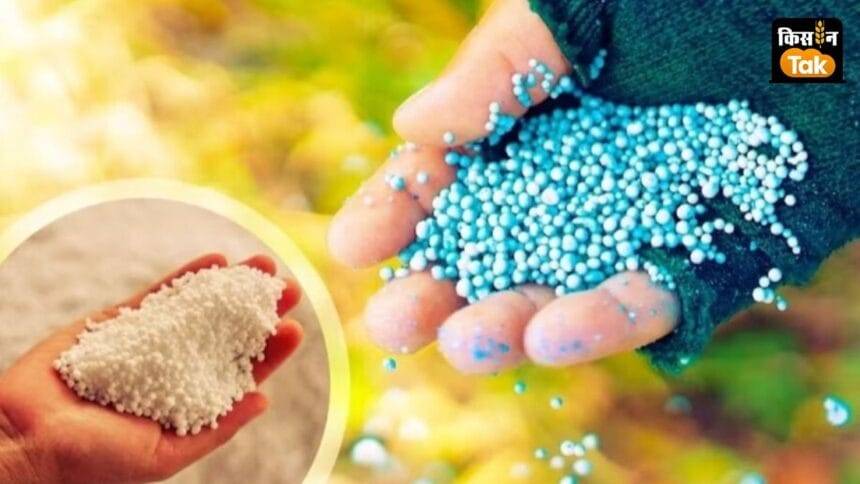
पंजाब कृषि विश्वविद्यालय (PAU) ने किसानों को Triple Super Phosphate या TSP के बारे में जानकारी दी है। PAU के वैज्ञानिक कहते हैं कि DAP के विकल्प के रूप में किसान NPK, SSP यानी Single Super Phosphate और TSP जैसे खाद का उपयोग कर सकते हैं। वैज्ञानिकों के अनुसार, कई तरीकों से TSP DAP से बेहतर है। सबसे पहली बात, इसकी सप्लाई अच्छी है, जिससे किसानों को इसे खरीदने के लिए झगड़ना नहीं पड़ेगा।
TSP का बड़ा फायदा
TSP का दूसरा बड़ा फायदा यह है कि इसमें P2O5 पोषक तत्व मौजूद है। इसी पोषक तत्व के कारण DAP की अधिक मांग देखी जाती है। लेकिन इस मामले में TSP DAP से पीछे नहीं है। जबकि DAP में 46 प्रतिशत P2O5 होता है, वही मात्रा TSP में भी मिलती है। इसका मतलब है कि गेहूं या अन्य फसलों के लिए DAP में मौजूद पोषक तत्व TSP में भी प्राप्त होते हैं।
हालांकि, DAP और TSP के बीच एक बड़ा अंतर नाइट्रोजन के मामले में है। DAP का एक बैग लगभग 9 किलोग्राम अतिरिक्त नाइट्रोजन देता है, जबकि TSP में यह अतिरिक्त लाभ नहीं मिलता। इसलिए वैज्ञानिक सलाह देते हैं कि अगर TSP के साथ यूरिया का छिड़काव किया जाए तो फसलों पर इसका चमत्कारी प्रभाव पड़ सकता है।
वैज्ञानिकों की सलाह मानें
PAU के वैज्ञानिकों ने यह भी सुझाव दिया है कि DAP के एक और विकल्प के रूप में Single Super Phosphate (SSP) है, जिसमें 16% फास्फोरस होता है। उन्होंने कहा कि यदि तीन बैग SSP मिलाए जाएं, तो गेहूं में फास्फोरस की कमी को पूरा किया जा सकता है और फसल को 18 किलोग्राम सल्फर भी मिलेगा। विशेषज्ञों का कहना है कि Triple Super Phosphate (TSP), जिसमें 46% फास्फोरस होता है, एक नया खाद है जिसे किसानों को गेहूं में उपयोग करना चाहिए। इसके अलावा, DAP के बजाय 1.8 बैग NPK (10:26:26) को गेहूं में मिलाया जा सकता है। PAU के विशेषज्ञों ने कहा कि यदि SSP या TSP का उपयोग किया जाता है, तो खेत में बुआई के समय प्रति एकड़ 20 किलोग्राम यूरिया लागू करना चाहिए। इससे बहुत लाभ होगा।
Complete News In English(पूरी खबर – अंग्रेज़ी में)
Nowadays there is a big competition for DAP fertilizer. From farmers to the government are worried. While farmers are desperately searching for bags of DAP fertilizer, the government is struggling to maintain the supply. Many arguments can be made that there is no shortage of DAP fertilizer, but this is not true. If the government was right then why would the farmers have to stand in the queue at night. If what the government was saying was absolutely correct then why would fertilizer be distributed under the supervision of police stations and police. However, there is another aspect to this also. That is, it is a difficult task to adjust the supply at the speed with which the demand has increased. In such a situation, scientists are giving information to farmers about alternative fertilizers to DAP. One such fertilizer is TSP i.e. Triple Super Phosphate.
Punjab Agriculture University (PAU) has given information to the farmers about Triple Super Phosphate or TSP. PAU scientists say that as an alternative to DAP, farmers can use fertilizers like NPK, SSP i.e. Single Super Phosphate and TPS. According to scientists, TSP fertilizer is better than DAP in many ways. The first thing is that its supply is good, farmers will not have to fight to buy it.
Big advantage of TSP
The second major advantage of TSP is the P2O5 nutrient found in it. Due to this nutrient, more demand for DAP is seen. But TSP is not at all behind DAP in this matter. While 46 percent P2O5 is found in DAP, the same quantity is found in TSP also. This means that the same amount of nutrients present in DAP for wheat or other fertilizers is also found in TSP.
Also read: Farmers’ expenditure increased on controlling weeds in Kharif season, demand and sales of herbicide products increased.
However, a big difference between DAP and TSP is regarding nitrogen. While one bag of DAP provides up to 9 kg of additional nitrogenous fertilizer, this additional benefit is not available in TSP. Therefore, scientists advise that if urea is sprayed with TSP, it can have a miraculous effect on the crops.
Follow the advice of scientists
Regarding this, Dhanvinder Singh, Head of PAU’s Science Department, says that DAP contains 46% phosphorus and 18% nitrogen. The second fertilizer NPK (12:32:16) contains 12% nitrogen, 32% phosphorus and 16% potassium. He suggests farmers, “If DAP is not available, one and a half bags of NPK (12:32:16) can be mixed in wheat. NPK (12:32:16) can be the best alternative to DAP.”
Also read: How much tomato seed will be required in one hectare, how much fertilizer will be required for bumper yield?
PAU scientists have suggested that another alternative to DAP is Single Super Phosphate (SSP), which contains 16% phosphorus. He said that by adding three bags of single super phosphate, phosphorus deficiency in wheat can be compensated and the crop also gets 18 kg of sulphur. Experts said Triple Super Phosphate (TSP), which contains 46% phosphorus, can be used as a new fertilizer. TSP has just come in the market and farmers can use it in wheat. In other options, instead of DAP, 1.8 bags of NPK (10:26:26) can be mixed in wheat. PAU experts said that if SSP or TSP is used then 20 kg urea should be applied per acre at the time of sowing. This will be very beneficial.