


Main Points In Hindi (मुख्य बातें – हिंदी में)
-
वैश्विक खतरे: जलवायु परिवर्तन, प्रदूषण और जैव विविधता की हानि लगभग 1 बिलियन बच्चों को खतरे में डाल रही है, जो कि दुनिया के कुल बच्चों का लगभग आधा है।
-
संवेदनशीलता और जोखिम: यूरोप और एशिया में लगभग 160 मिलियन बच्चे अत्यधिक मौसम, पर्यावरणीय क्षति, वायु प्रदूषण और जल संकट के प्रति विशेष रूप से संवेदनशील हैं, जो उनके जीवन और विकास को प्रभावित कर रहा है।
-
हाशिए पर रहने वाले बच्चे: विकलांगता और गरीबी जैसी चुनौतियों का सामना करने वाले बच्चों के लिए ये समस्याएँ और भी गंभीर होती हैं, जिससे उन्हें शिक्षा, स्वच्छ पानी और बुनियादी सेवाओं तक पहुँच में बाधाएँ आती हैं।
-
एकजुट वैश्विक प्रतिक्रिया की आवश्यकता: जलवायु परिवर्तन और पर्यावरणीय क्षति के समाधान में बच्चों की जरूरतों को अनदेखा नहीं किया जाना चाहिए। यूनिसेफ बच्चों को इस प्रक्रिया का केंद्रीय हिस्सा बनाए रखने के लिए काम कर रहा है।
- सतत विकास का समर्थन: बच्चों की सुरक्षा और उनकी ज़रूरतों में निवेश करने से न केवल उनकी भलाई में सुधार होता है, बल्कि इससे परिवारों और समुदायों को भी लाभ होता है, जो सतत विकास के लिए वैश्विक लक्ष्यों को भी समर्थन देता है।
Main Points In English(मुख्य बातें – अंग्रेज़ी में)
Here are the main points from the text regarding the impact of climate change, pollution, and biodiversity loss on children:
-
Global Threat to Children: Climate change, pollution, and biodiversity loss are putting nearly 1 billion children worldwide at risk, which is approximately half of the total number of children globally.
-
Vulnerability in Specific Regions: The report by UNICEF highlights that around 160 million children in Europe and Asia are particularly sensitive to extreme weather conditions, pollution, and environmental degradation.
-
Risks to Health and Development: Children are especially susceptible to extreme weather events like heatwaves, floods, and landslides, as well as slow onset issues such as drought and water scarcity, which threaten their health and developmental outcomes from birth through adolescence.
-
Intersecting Challenges: Many children face multiple threats, exacerbated by poverty, conflict, and environmental damage, making the situation more severe for marginalized groups, including children with disabilities, who struggle to access basic services.
- Need for Unified Response: There is a critical need for a strong, coordinated global response that prioritizes children’s needs in addressing climate change and environmental degradation. Investing in children’s safety and needs not only helps them but also benefits families and communities and supports the goals of sustainable development.

Complete News In Hindi(पूरी खबर – हिंदी में)
जलवायु परिवर्तन, प्रदूषण और जैव विविधता की हानि वैश्विक स्तर पर लगभग 1 बिलियन बच्चों को खतरे में डाल रही है। यूनिसेफ की एक रिपोर्ट में बताया गया है कि यूरोप और एशिया में 160 मिलियन बच्चे अत्यधिक मौसम, प्रदूषण और पर्यावरणीय क्षति के प्रति संवेदनशील हैं। हाशिए पर रहने वाले बच्चों के लिए ये चुनौतियाँ बदतर हो गई हैं, जिससे उनकी भलाई की रक्षा और सतत विकास का समर्थन करने के लिए एकजुट वैश्विक प्रतिक्रिया की आवश्यकता है
जलवायु परिवर्तन, प्रदूषण और जैव विविधता के नुकसान की संयुक्त चुनौतियाँ लगभग हर बच्चे को जोखिम में डालती हैं। लगभग 1 अरब बच्चे – दुनिया के कुल बच्चों का लगभग आधा – गंभीर खतरों का सामना कर रहे हैं जो उनके अस्तित्व और विकास को खतरे में डाल रहे हैं। संयुक्त राष्ट्र अंतर्राष्ट्रीय बाल आपातकालीन कोष (यूनिसेफ) की हालिया रिपोर्ट के अनुसार फोकस में: बच्चे, जलवायु परिवर्तन और पर्यावरण क्षरणयूरोप और एशिया में लगभग 160 मिलियन बच्चे जलवायु परिवर्तन और पर्यावरणीय क्षति के प्रभावों के प्रति संवेदनशील हैं। ये जोखिम बच्चों को विभिन्न तरीकों से प्रभावित करते हैं, जन्म से पहले से लेकर उनके प्रारंभिक वर्षों, स्कूली जीवन और युवा वयस्कता तक।
रिपोर्ट में कहा गया है कि बच्चे विशेष रूप से लू, बाढ़, रेत के तूफ़ान और भूस्खलन जैसी चरम मौसम की घटनाओं के साथ-साथ सूखे, मरुस्थलीकरण और पानी की कमी जैसे धीमे बदलावों के प्रति संवेदनशील होते हैं। इसके अलावा, उन्हें वायु प्रदूषण, सीसा संदूषण, कीटनाशक प्रदूषण, खराब पानी की गुणवत्ता और ऊर्जा की कमी जैसी चल रही चुनौतियों का सामना करना पड़ता है।
कई क्षेत्रों में, बच्चों को एक साथ कई खतरों का सामना करना पड़ता है, गरीबी, संघर्ष और पर्यावरणीय क्षति के कारण जीवन और भी कठिन हो जाता है। ये चुनौतियाँ हाशिए पर रहने वाले समूहों, जैसे विकलांग बच्चों, के लिए विशेष रूप से कठिन हैं, जो पहले से ही शिक्षा, स्वच्छ पानी और स्वच्छता जैसी बुनियादी सेवाओं तक पहुँचने के लिए संघर्ष करते हैं।
इन मुद्दों के संयुक्त प्रभाव के लिए एक मजबूत, एकजुट प्रतिक्रिया की आवश्यकता है। हालाँकि, जलवायु परिवर्तन और पर्यावरणीय क्षति के प्रति वैश्विक प्रतिक्रिया में अक्सर बच्चों की अनदेखी की जाती है। यूनिसेफ यह सुनिश्चित करने के लिए काम कर रहा है कि इन समस्याओं के समाधान में बच्चे केंद्रीय फोकस हों। जबकि बच्चे इन चुनौतियों के प्रति सबसे अधिक संवेदनशील होते हैं, वे दीर्घकालिक समाधान बनाने की आशा भी प्रदान करते हैं। बच्चों की सुरक्षा और उनकी ज़रूरतों को पूरा करने में निवेश करके, हम न केवल उनकी मदद करते हैं बल्कि परिवारों और समुदायों को भी लाभान्वित करते हैं, और सतत विकास के लिए वैश्विक लक्ष्यों का समर्थन करते हैं।
Complete News In English(पूरी खबर – अंग्रेज़ी में)
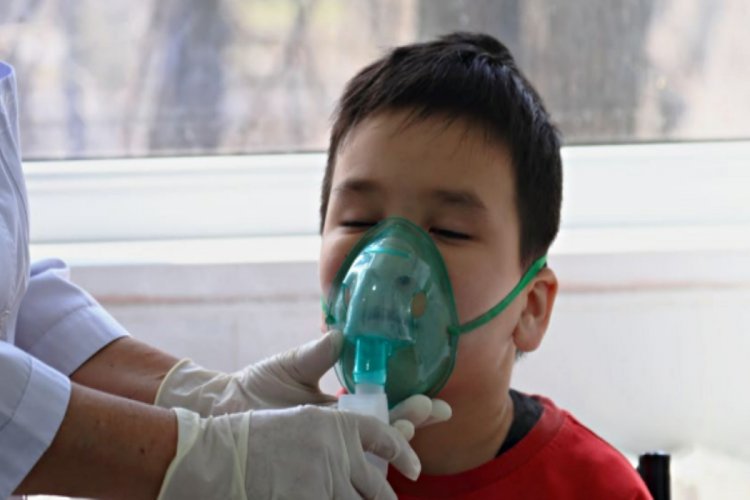
Climate change, pollution, and loss of biodiversity are putting nearly 1 billion children at risk worldwide. A UNICEF report states that 160 million children in Europe and Asia are particularly vulnerable to extreme weather, pollution, and environmental damage. These challenges have worsened for disadvantaged children, highlighting the need for a united global response to protect their well-being and support sustainable development.
The combined challenges of climate change, pollution, and loss of biodiversity endanger almost every child. About 1 billion children—around half of all children in the world—are facing serious threats to their survival and development. According to a recent report from the United Nations Children’s Fund (UNICEF), titled Focus on: Children, Climate Change, and Environmental Degradation, roughly 160 million children in Europe and Asia are sensitive to the impacts of climate change and environmental damage. These risks affect children in various ways, from before birth through their early years, school life, and into young adulthood.
The report mentions that children are particularly vulnerable to extreme weather events such as heat waves, floods, sandstorms, and landslides, as well as slow changes like drought, desertification, and water scarcity. In addition, they face ongoing challenges from air pollution, lead contamination, pesticide exposure, poor water quality, and energy shortages.
In many areas, children encounter multiple threats simultaneously, making life even tougher due to poverty, conflict, and environmental damage. These challenges are especially hard for marginalized groups, such as children with disabilities, who already struggle to access basic services like education, clean water, and sanitation.
A strong, united response is needed to address these issues. However, children are often overlooked in global responses to climate change and environmental damage. UNICEF is working to ensure that children are at the center of solutions to these problems. While children are the most affected by these challenges, they also offer hope for creating long-term solutions. By investing in the safety and needs of children, we not only help them but also benefit families and communities, supporting global goals for sustainable development.