


Main Points In Hindi (मुख्य बातें – हिंदी में)
-
तेंदुआ हमले की घटनाएं: महाराष्ट्र के पुणे में एक 7 वर्षीय लड़के की तेंदुए द्वारा हत्या के साथ, हाल के महीनों में तेंदुआ हमलों से संबंधित मौतों की संख्या में वृद्धि हुई है। महाराष्ट्र के जुन्नार वन प्रभाग में यह आठवीं घटना थी, जबकि उत्तराखंड और राजस्थान में भी कई मौतें हुई हैं।
-
शहरीकरण और तेंदुए का आवास: तेजी से शहरीकरण और कृषि विस्तार ने तेंदुओं के प्राकृतिक आवास को सिकोड़ दिया है, जिससे वे मानव बस्तियों के करीब भोजन खोजने के लिए मजबूर हो रहे हैं। इससे मानव-वन्यजीव संघर्ष बढ़ रहा है।
-
संघर्ष का प्रबंधन: विशेषज्ञों का मानना है कि मानव-तेंदुआ संघर्ष को कम करने के लिए वन संसाधनों पर समुदायों की निर्भरता को कम करना और क्षेत्रीय जरूरतों के अनुसार समाधान विकसित करना आवश्यक है। उचित जनसंख्या प्रबंधन और सार्वजनिक जागरूकता का निर्माण भी महत्वपूर्ण है।
-
तेंदुआ व्यवहार की समझ: संघर्ष को कम करने के लिए तेंदुआ के व्यवहार को समझना आवश्यक है। विशेषज्ञों का कहना है कि तेंदुओं को स्थानांतरित करने से समस्या बढ़ सकती है, इसलिए निवास स्थान प्रबंधन और स्थानीय समुदायों के साथ सहयोग से समाधान निकालना चाहिए।
- शिक्षा और जागरूकता: कुछ क्षेत्रों में जागरूकता कार्यक्रमों के माध्यम से मानव-तेंदुआ संघर्ष की घटनाओं में कमी आई है। लंबे समय के लिए स्थायी समाधान के लिए उचित नगर नियोजन और सामुदायिक शिक्षा की आवश्यकता है, ताकि मनुष्यों और तेंदुओं के बीच सह-अस्तित्व सुनिश्चित किया जा सके।
Main Points In English(मुख्य बातें – अंग्रेज़ी में)
Here are the main points from the provided text about leopard attacks and their implications in India:
-
Recent Leopard Attacks: A 7-year-old boy from a migrant worker family was killed by a leopard in Pune, Maharashtra, marking the eighth leopard-related death in the Junner forest division since March. Similar incidents have occurred in Uttarakhand and Rajasthan, indicating a concerning trend of human-leopard conflicts.
-
Population Increase and Human Encroachment: The increase in leopard attacks correlates with a rising leopard population in India, which is estimated at around 13,800. Urbanization and agricultural expansion are squeezing leopards’ habitats, forcing them to come closer to human settlements in search of food.
-
Understanding Leopard Behavior: Experts emphasize that understanding leopard behavior is crucial to reducing human-wildlife conflicts. Each situation requires a nuanced approach, and local cooperation is vital for effective management. The removal of leopards is not always a solution, as it can lead to more aggressive behavior from newly introduced leopards.
-
Community Engagement and Education: In Mumbai, initiatives have been launched to educate citizens on measures to reduce human-leopard interactions, significantly decreasing conflict incidents. Long-term solutions involve waste management, education about wildlife coexistence, and thoughtful urban planning.
- Need for Strategic Management: Conservationists advocate for strategies that minimize community reliance on forest resources and promote humane population management of large carnivores to mitigate conflicts. Understanding and addressing the socio-economic factors contributing to these encounters is crucial for sustainable coexistence.

Complete News In Hindi(पूरी खबर – हिंदी में)
इस महीने की शुरुआत में, भारत के पश्चिमी महाराष्ट्र राज्य पुणे में प्रवासी मजदूरों के एक परिवार के 7 वर्षीय लड़के को घर से बाहर निकलते समय एक तेंदुए ने मार डाला था।
मार्च के बाद से महाराष्ट्र के जुन्नार वन प्रभाग में तेंदुए से संबंधित यह आठवीं मौत थी।
पहाड़ी राज्य उत्तराखंड में इस साल तेंदुए के हमले में नौ लोगों की मौत हो गई है, जिसमें एक 17 वर्षीय लड़का भी शामिल है, जो क्रिकेट से घर लौटते समय मारा गया था। तेंदुए के हमले के डर से प्रभावित गांवों में स्कूल बंद कर दिए गए हैं।
उत्तरी राजस्थान, विशेषकर उदयपुर और राजसमंद जिलों में, तेंदुए के हमलों में दस मौतें दर्ज की गईं। वहीं दक्षिणी कर्नाटक राज्य के कई जिलों में तेंदुए कुत्तों पर हमला कर रहे हैं।
भारत भर के क्षेत्रों में हमले देश की तेंदुओं की आबादी में वृद्धि के अनुरूप हैं। वन एवं पर्यावरण मंत्रालय के अनुमान के अनुसार, भारत में तेंदुओं की संख्या लगभग 13,800 है।
शहरी विकास और अतिक्रमण
पिछले कुछ वर्षों में, भारत में शहरीकरण और कृषि विस्तार ने तेंदुए के प्राकृतिक आवास को निचोड़ लिया है।
तेंदुओं को मानव बस्तियों के करीब भोजन स्रोतों की तलाश करके अनुकूलन करने के लिए मजबूर किया जाता है, अक्सर पशुधन का शिकार करते हैं, या अवसर आने पर मनुष्यों पर भी हमला करते हैं।
इसका एक उल्लेखनीय उदाहरण दिल्ली और आसपास के गुड़गांव में अरावली पहाड़ियों पर चल रहा शहरी विकास और अतिक्रमण है। यह अतिक्रमण तेंदुओं को भोजन और क्षेत्र की तलाश में आस-पास के गांवों में जाने के लिए मजबूर कर रहा है, जिससे मनुष्यों के साथ उनका आमना-सामना बढ़ रहा है
वन्यजीव संस्थान के संरक्षणवादी और पूर्व डीन यादवेंद्रदेव झाला ने कहा, “यह मानव-मांसाहारी संघर्ष को बढ़ाने का एक नुस्खा है। यह संघर्ष खराब आवास और आजीविका के लिए वन संसाधनों पर निर्भरता से जुड़ी जीवनशैली के कारण समाज के सबसे गरीब वर्गों को प्रभावित करता है।” भारत का.
जलहाला ने डीडब्ल्यू को बताया, “मानव-तेंदुआ संघर्ष को कम करने के लिए, एक रणनीति वन संसाधनों पर समुदायों की निर्भरता को कम करना है। दूसरी रणनीति मानवीय जनसंख्या प्रबंधन रणनीतियों का उपयोग करके इन संघर्ष-प्रवण बड़े मांसाहारियों के विकास और वितरण को सीमित करना होगा।” .
तेंदुए के व्यवहार को समझना
वन्यजीव विशेषज्ञों और संरक्षणवादियों का कहना है कि मनुष्यों पर बड़ी बिल्लियों के हमले क्लस्टरिंग, मानव व्यवहार पैटर्न का परिणाम हैं जो लोगों को तेंदुए के क्षेत्र के नियमित संपर्क में लाते हैं।
वन्यजीव जीवविज्ञानी रवि चेल्लम ने कहा कि भारत के आकार और विविधता को देखते हुए, इन संघर्षों के कारण देश भर में काफी भिन्न हैं, और क्षेत्रीय रूप से अनुरूप समाधान की आवश्यकता है।
चेल्लम ने डीडब्ल्यू को बताया, “हमें यह कभी नहीं भूलना चाहिए कि भारत में ग्रामीण समुदायों के बीच वन्यजीवों के साथ सह-अस्तित्व आम और व्यापक है।”
चेल्लम ने कहा कि प्रत्येक स्थिति की सूक्ष्म समझ की आवश्यकता होती है, और यह तभी संभव है जब वन कर्मचारी स्थानीय लोगों के साथ मिलकर काम करें।
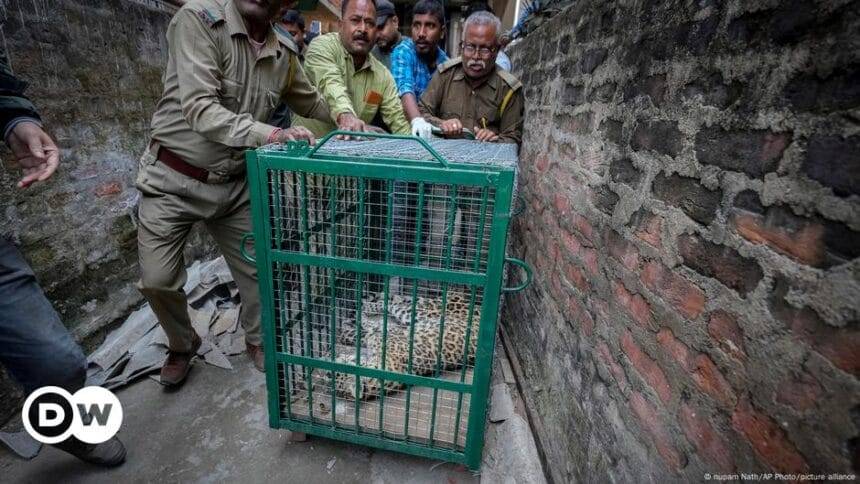
चेलम ने कहा, “कुछ मामलों में, तेंदुओं को पकड़ने की आवश्यकता होगी और यह सबसे अच्छा है कि इन पकड़े गए तेंदुओं को छोड़ा न जाए, खासकर यदि रिहाई स्थल पकड़े जाने की जगह से दूर हैं।”
मानव-तेंदुआ संघर्ष को कम करने में व्यापक अनुभव रखने वाली वन्यजीव जीवविज्ञानी विद्या अथरेया ने कहा कि मनुष्यों और वन्यजीवों के बीच सह-अस्तित्व की अनुमति देने के लिए तेंदुए के व्यवहार को समझना महत्वपूर्ण है।
“तेंदुओं को स्थानांतरित करने से मानव-वन्यजीव संघर्ष बढ़ सकता है। जब तेंदुओं को अपरिचित क्षेत्रों में ले जाया जाता है, तो यह उन पर दबाव डाल सकता है और उनकी सामाजिक संरचनाओं को बाधित कर सकता है, जिसके परिणामस्वरूप अक्सर मनुष्यों के प्रति अधिक आक्रामक व्यवहार होता है। इसके बजाय, निवास स्थान प्रबंधन पर ध्यान देना चाहिए और संघर्षों को रोकने के लिए सामुदायिक जागरूकता,” उन्होंने डीडब्ल्यू को बताया।
रूढ़िवादी झाला ने कहा कि समस्याग्रस्त तेंदुओं को पेशेवर तरीके से हटाने की जरूरत है।
उन्होंने डीडब्ल्यू को बताया, “मानवों के लिए खतरनाक साबित होने वाले मांसाहारी जानवरों को तुरंत आबादी से हटाने की जरूरत है। अगर यह पेशेवर और सबसे मानवीय तरीके से नहीं किया जाता है, तो प्रभावित समुदाय जवाबी कार्रवाई करेगा।”
हालाँकि, झाला ने कहा कि तेंदुओं को पकड़ना और उन्हें कहीं और छोड़ना ही समस्या को कहीं और ले जाता है। और कभी-कभी, हटाना आवश्यक भी नहीं होता है।
उन्होंने कहा, “समुदाय अक्सर अपने पड़ोस में शांतिपूर्वक रहने वाले मांसाहारी जानवरों को हटाने की मांग करते हैं। यह प्रतिकूल है क्योंकि अक्सर एक सौहार्दपूर्ण तेंदुए को हटा दिया जाता है ताकि उसकी जगह दूसरा तेंदुआ लाया जा सके जो अधिक संघर्ष-प्रवण हो सकता है।”
क्या किया जा सकता है?
मुंबई में, जहां शहरी फैलाव संजय गांधी राष्ट्रीय उद्यान की सीमा से लगे क्षेत्रों तक फैला हुआ है, पर्यावरण संगठनों और संरक्षणवादियों जैसे हितधारकों ने मानव-तेंदुए की बातचीत को कम करने के लिए एहतियाती उपायों पर नागरिकों को शिक्षित करने के लिए एक संवेदीकरण कार्यक्रम शुरू किया।
परिणामस्वरूप, मुंबई में मानव-तेंदुआ संघर्ष की घटनाओं की संख्या में तेजी से गिरावट आई।
“सही परिस्थितियों में, मनुष्य और तेंदुए भारत के शहरी परिदृश्य में एक साथ रह सकते हैं। हालांकि किसी समस्या वाले जानवर को दूर के वन्यजीव पार्क में स्थानांतरित करने का अल्पकालिक समाधान एक समाधान की तरह लग सकता है, लेकिन यह नहीं है,” वन्यजीव सफारी विशेषज्ञ विक्रम दयाल कहते हैं ऑपरेटर ने डीडब्ल्यू को बताया।
उन्होंने कहा, “दीर्घकालिक समाधान के लिए अपशिष्ट प्रबंधन, वन्यजीवों के पास के क्षेत्रों में बुनियादी क्या करें और क्या न करें और उचित नगर नियोजन में शिक्षा की आवश्यकता है।”
“संघर्ष केवल तेंदुए और वन्यजीव क्षेत्रों के बगल में रहने वाले लोगों के बारे में नहीं है। यह एक मानसिकता है जिसमें बदलाव की जरूरत है। हम लगभग सभी प्राथमिकता एक जानवर को देते हैं और इसके लिए पूरे जंगल और अन्य प्राणियों को याद करते हैं।” दयाल ने कहा.
द्वारा संपादित: वेस्ली रहन
Complete News In English(पूरी खबर – अंग्रेज़ी में)
This month, a 7-year-old boy from a migrant laborer family was killed by a leopard while leaving his home in Pune, located in western Maharashtra, India.
This was the eighth death related to leopard attacks in the Junner forest division of Maharashtra since March.
In the hilly state of Uttarakhand, nine people have died this year due to leopard attacks, including a 17-year-old boy who was killed while returning home from cricket practice. Schools in the affected villages have been closed due to fears of leopard attacks.
In northern Rajasthan, especially in the Udaipur and Rajsamand districts, there have been ten reported deaths from leopard attacks. Meanwhile, in several districts of southern Karnataka, leopards have been attacking dogs.
These incidents across various regions of India align with the increasing leopard population. The Ministry of Forests and Environment estimates that there are approximately 13,800 leopards in India.
Urban Development and Encroachment
In recent years, urbanization and agricultural expansion in India have squeezed the natural habitat of leopards.
Forced to seek food sources closer to human settlements, leopards often prey on livestock and at times attack humans as well.
A notable example is the ongoing urban development and encroachment in the Aravalli hills near Delhi and Gurgaon. This encroachment is driving leopards into nearby villages in search of food and territory, leading to increased encounters with humans.
Conservationist and former dean Yadavendra Dev Jhala stated, “This is a recipe for human-wildlife conflict. This conflict affects the poorest sections of society, which depend on forest resources due to poor housing and livelihoods.”
Jhala informed DW that to reduce human-leopard conflict, one strategy is to decrease communities’ reliance on forest resources. Another strategy would involve implementing population management approaches to limit the development and movement of these conflict-prone large carnivores.
Understanding Leopard Behavior
Wildlife experts and conservationists indicate that attacks on humans by big cats are a result of clustering, which is the pattern of human behavior that frequently brings people into leopard territory.
Wildlife biologist Ravi Chellam mentioned that given the size and diversity of India, conflicts vary significantly across the country, necessitating region-specific solutions.
Chellam told DW, “We must not forget that coexistence with wildlife is common and widespread among rural communities in India.”
He added that nuanced understanding of each situation is crucial, achievable only when forest staff work collaboratively with local communities.
In some instances, capturing leopards may be necessary, and it is best not to release captured leopards, especially if the release location is far from where they were trapped.
Wildlife biologist Vidya Athreya, with extensive experience in reducing human-leopard conflict, emphasized the importance of understanding leopard behavior for facilitating coexistence between humans and wildlife.
“Relocating leopards may actually increase human-wildlife conflict. Moving leopards to unfamiliar areas can put pressure on them and disrupt their social structures, often leading to more aggressive behavior towards humans. Instead, the focus should be on habitat management and community awareness to prevent conflicts,” she informed DW.
Conservationist Jhala remarked that problematic leopards need to be removed professionally.
He told DW, “Carnivorous animals that pose a threat to humans need to be removed from the population immediately. If this is not done professionally and in the most humane way, the affected community will retaliate.”
However, Jhala pointed out that capturing leopards and relocating them often just shifts the problem elsewhere, and sometimes removal may not even be necessary.
He explained, “Communities often call for the removal of ‘problem’ carnivorous animals in their neighborhoods. This approach is counterproductive as often a non-aggressive leopard is removed only for another more conflict-prone leopard to take its place.”
What Can Be Done?
In Mumbai, where urban sprawl has reached areas bordering Sanjay Gandhi National Park, stakeholders like environmental organizations and conservationists have initiated sensitization programs to educate citizens on precautionary measures to reduce human-leopard interactions.
As a result, there has been a rapid decline in the number of human-leopard conflict incidents in Mumbai.
“Under the right conditions, humans and leopards can coexist in India’s urban landscape. However, relocating a problem animal to a distant wildlife park may seem like a solution in the short term, but it is not,” said Vikram Dayal, a wildlife safari operator, to DW.
He stated, “Long-term solutions require education on waste management, dos and don’ts in areas near wildlife, and proper urban planning.”
“Conflict is not just about leopards and those living next to wildlife areas. It is a mindset that needs changing. We often prioritize the problem of a single animal and forget the entire ecosystem,” Dayal emphasized.
Edited by: Wesley Rahn