

Main Points In Hindi (मुख्य बातें – हिंदी में)
यहां दिए गए पाठ के मुख्य बिंदुओं में शामिल हैं:
-
कॉफी किसानों का पंजीकरण: युगांडा कॉफी विकास प्राधिकरण (यूसीडीए) ने कॉफी किसानों का पंजीकरण बढ़ाने का निर्णय लिया है, जो यूरोपीय संघ के स्थिरता नियमों के अनुपालन में एक महत्वपूर्ण कदम है, विशेष रूप से ईयू वनों की कटाई-मुक्त उत्पादों के विनियमन (ईयूडीआर) के संदर्भ में।
-
बैठक और जागरूकता: फोर्ट पोर्टल में आयोजित एक प्रमुख बैठक में स्थानीय नेताओं, किसान समूहों और सहकारी समितियों को कॉफी किसानों को पंजीकरण के साथ-साथ राष्ट्रीय कॉफी ट्रैसेबिलिटी सिस्टम के महत्व के बारे में जागरूक किया गया।
-
पंजीकरण के लाभ: पंजीकरण प्रक्रिया के बाद, किसानों को विस्तार सेवाएं, अद्यतन बाजार जानकारी और वैश्विक व्यापार अवसरों तक बेहतर पहुंच का लाभ मिलेगा। यह प्रणाली युगांडा के कॉफी उद्योग की वैश्विक प्रतिस्पर्धात्मकता को मजबूत करने का एक साधन है।
-
स्थिरता के प्रति प्रतिबद्धता: यूसीडीए ने चेतावनी दी है कि अस्थिर कृषि प्रथियाँ, जैसे कि अपरिपक्व कॉफी की कटाई, क्षेत्र की दीर्घकालिक स्थिरता को प्रभावित कर सकती हैं। ईयूडीआर के अनुपालन को सुनिश्चित करने के लिए सटीक डेटा और सही प्रथाओं का पालन आवश्यक है।
- वैश्विक बाजार में स्थिति: युगांडा के कॉफी निर्यात में यूरोपीय संघ का हिस्सा 60% से अधिक है, इसलिए ईयूडीआर का अनुपालन युगांडा के कॉफी निर्यात और वैश्विक बाजार में स्थिरता बनाए रखने के लिए महत्वपूर्ण है। इसके साथ ही, यूसीडीए अन्य उभरते बाजारों, जैसे कि चीन और मध्य पूर्व में कॉफी निर्यात बढ़ाने पर भी ध्यान केंद्रित कर रहा है।
Main Points In English(मुख्य बातें – अंग्रेज़ी में)
Here are the main points from the provided text:

-
Increased Registration of Coffee Farmers: The Uganda Coffee Development Authority (UCDA) has intensified the registration of coffee farmers and is urging local leaders to raise awareness about compliance with EU sustainability regulations ahead of the December 2024 deadline for the European Union’s Deforestation Regulation (EUDR).
-
Importance of Compliance with EUDR: The registration initiative is part of Uganda’s broader strategy to ensure that its coffee industry meets international standards, specifically the EUDR, which mandates that products exported to the EU must be free from deforestation. As the EU accounts for over 60% of Uganda’s coffee exports, compliance is crucial for maintaining market access.
-
Benefits of Registration for Farmers: The free registration process aims to create a comprehensive database of coffee stakeholders, from farmers to exporters. Registered farmers are expected to gain better access to extension services, market information, and global trade opportunities, ultimately enhancing the competitiveness of Uganda’s coffee sector.
-
Addressing Misconceptions about Registration: Local leaders, including district chairpersons, have emphasized the need to clarify that the registration process is not a means for taxation. It is intended to provide long-term support to farmers, ensuring they understand that registration is about assistance rather than a burden.
- Efforts to Expand Coffee Export Markets: UCDA is also focusing on enhancing coffee exports to emerging markets, such as China and the Middle East, which have their distinct import requirements. The registration campaign is part of broader national efforts to improve traceability within the coffee value chain and boost overall market access and sustainability.
Complete News In Hindi(पूरी खबर – हिंदी में)
फोर्ट पोर्टल, युगांडा | स्वतंत्र | युगांडा कॉफी विकास प्राधिकरण (यूसीडीए) ने कॉफी किसानों का पंजीकरण बढ़ा दिया है और स्थानीय सरकारी नेताओं से यूरोपीय संघ स्थिरता नियमों का पालन करने के देश के प्रयास के हिस्से के रूप में जागरूकता बढ़ाने में मदद करने का आग्रह किया है।
यह अपील यूरोपीय संघ के वनों की कटाई-मुक्त उत्पादों के विनियमन (ईयूडीआर) के लिए दिसंबर 2024 की समयसीमा से पहले गुरुवार को फोर्ट पोर्टल में आयोजित प्रमुख हितधारकों की बैठक के दौरान की गई थी।
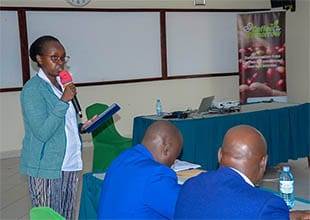
बैठक में रवेंज़ोरी उप-क्षेत्र के नेताओं ने भाग लिया, जिसमें कबरोले, कासे, बुंदीबुग्यो, एनटोरोको, क्येनजोजो, क्येगेगवा, बुनयांगबू, कामवेंज, कितागवेंडा और फोर्ट पोर्टल सिटी जिले शामिल हैं। इनमें रेजिडेंट डिस्ट्रिक्ट कमिश्नर (आरडीसी), जिला कृषि और उत्पादन अधिकारी, जिला अध्यक्ष, साथ ही स्थानीय किसान समूहों, सहकारी समितियों और कॉफी किसानों के प्रतिनिधि शामिल हैं।
यूसीडीए कॉरपोरेट कम्युनिकेशंस मैनेजर लौरा वालुसिंबी ने जिला नेताओं, स्थानीय सरकारों और राजनीतिक प्रमुखों से कॉफी किसानों, व्यापारियों और प्रोसेसरों को राष्ट्रीय कॉफी ट्रैसेबिलिटी सिस्टम के तहत पंजीकरण करने के लिए प्रोत्साहित करने में सक्रिय भूमिका निभाने का आग्रह किया। वालुसिंबी ने यूसीडीए के प्रबंध निदेशक डॉ. इमैनुएल इयामुलेमी नियिबिगिरा की ओर से यह टिप्पणी की।
यह प्रणाली यह सुनिश्चित करने के लिए एक महत्वपूर्ण कदम है कि युगांडा का कॉफी उद्योग अंतरराष्ट्रीय मानकों, विशेष रूप से ईयूडीआर को पूरा करता है, जिसके लिए आवश्यक है कि ईयू को निर्यात किए जाने वाले उत्पाद वनों की कटाई से मुक्त हों।
लौरा ने कहा, “हम इस पंजीकरण प्रक्रिया के महत्व को बढ़ा-चढ़ाकर नहीं बता सकते।” “बाज़ार पहुंच में सुधार, स्थानीय और अंतर्राष्ट्रीय नियमों का अनुपालन सुनिश्चित करने और हमारे कॉफी क्षेत्र के सतत विकास का समर्थन करने के लिए यह आवश्यक है।”
पंजीकरण कार्यक्रम ईयूडीआर के अनुपालन को सुनिश्चित करने के लिए युगांडा की व्यापक रणनीति का हिस्सा है, जो यूरोपीय बाजार में युगांडा के कॉफी निर्यात को प्रभावित करेगा, जो युगांडा कॉफी का एक प्रमुख खरीदार है। देश के कॉफी निर्यात में यूरोपीय संघ का हिस्सा 60% से अधिक है, जिससे युगांडा के लिए स्थिरता मानकों को पूरा करना महत्वपूर्ण हो गया है।
वालुसिंबी ने इस बात पर जोर दिया कि पंजीकरण प्रक्रिया नि:शुल्क है और इसका लक्ष्य किसानों से लेकर निर्यातकों तक कॉफी हितधारकों का एक व्यापक डेटाबेस बनाना है। उन्होंने कहा, “एक बार पंजीकृत होने के बाद, किसानों को विस्तार सेवाओं, अद्यतन बाजार जानकारी और वैश्विक व्यापार अवसरों तक बेहतर पहुंच से लाभ होगा।” उन्होंने कहा, “यह युगांडा के कॉफी उद्योग के लिए अपनी वैश्विक प्रतिस्पर्धात्मकता को मजबूत करने और भविष्य की वृद्धि सुनिश्चित करने का एक अवसर है।” “इसे सफल बनाने के लिए हम सभी को मिलकर काम करना चाहिए।”
क्येनजोन्जो जिला अध्यक्ष गिल्बर्ट रुबैहायो ने सरकार से सरकारी कार्यक्रमों के बारे में धारणाओं को संबोधित करने और युगांडा के कॉफी निर्यात बाजारों में विविधता लाने का आह्वान किया।
रुबैहायो ने बताया कि जहां कॉफी पंजीकरण का लक्ष्य किसानों को बेहतर समर्थन देना है, वहीं कई लोग गलती से कार्यक्रम को समर्थन और स्थिरता के लिए एक उपकरण के बजाय मुख्य रूप से कराधान या बोझ का साधन मानते हैं। रुबैहायो ने कहा, “बहुत लंबे समय से, सरकारी कार्यक्रमों को जनता तक अच्छी तरह से नहीं पहुंचाया गया है।” उन्होंने कहा, “हमें किसानों को यह बताने की जरूरत है कि पंजीकरण का मतलब कर या शुल्क लगाना नहीं है।” “यह एक ऐसी प्रणाली के निर्माण के बारे में है जो हमें लंबी अवधि में उनका समर्थन करने में मदद करेगी।”
रवेंज़ोरी उप क्षेत्र के यूसीडीए क्षेत्रीय प्रबंधक इमैनुएल टुमविज़िरे ने युगांडा के कॉफी क्षेत्र के बढ़ते महत्व पर प्रकाश डाला, जो अब देश के सबसे मूल्यवान निर्यातों में से एक है, विशेष रूप से रवेंज़ोरी क्षेत्र में, जो अरेबिका और रोबस्टा दोनों कॉफी किसानों का घर है।
उन्होंने पिछली चुनौतियों, विशेषकर खराब प्रबंधन प्रथाओं से संबंधित चुनौतियों पर काबू पाने में किसानों द्वारा की गई प्रगति को स्वीकार किया। हालाँकि, उन्होंने चेतावनी दी कि अपरिपक्व कॉफी को अलग करने जैसी अस्थिर कृषि पद्धतियाँ, इस क्षेत्र की दीर्घकालिक व्यवहार्यता को कमजोर कर रही हैं।
टुमविज़िरे ने कहा, “अस्थिर प्रथाओं के लिए गरीबी कोई बहाना नहीं हो सकती।” “परिपक्व कॉफी की कटाई करके, किसान उचित आय अर्जित कर सकते हैं, लेकिन कॉफी को अलग करना एक त्वरित समाधान की तरह लग सकता है जो अंततः निम्न गुणवत्ता वाली फलियों और कम कमाई की ओर ले जाता है।”
टुमविज़िरे ने इस बात पर ज़ोर दिया कि इस महत्वपूर्ण बाज़ार तक पहुंच बनाए रखने के लिए EUDR आवश्यकताओं को पूरा करना आवश्यक है।
टुमविज़िरे ने बताया, “ईयूडीआर टिकाऊ प्रथाओं को लागू करता है जो सुनिश्चित करता है कि हमारे कॉफी किसान पर्यावरण संरक्षण में योगदान दें।” “अनुपालन के लिए, हमें अपने किसानों पर सटीक डेटा की आवश्यकता है, यही कारण है कि पंजीकरण इतना महत्वपूर्ण है।”
उन्होंने कुछ किसानों की चिंताओं को भी संबोधित किया, जिन्हें डर है कि पंजीकरण से कर बढ़ सकते हैं। उन्होंने दर्शकों को आश्वस्त किया कि पंजीकरण प्रक्रिया केवल योजना और समर्थन उद्देश्यों के लिए है, कराधान के लिए नहीं। पंजीकरण करने से, किसानों को पंजीकृत किसानों की वास्तविक संख्या के आधार पर उर्वरक, पौध और अन्य संसाधनों तक पहुंच सहित लक्षित सहायता प्राप्त होगी।
“हमें चिंताएं मिली हैं कि पंजीकरण करों के बारे में हो सकता है, लेकिन ऐसा नहीं है। पंजीकरण योजना के उद्देश्यों के लिए है, और हम यह सुनिश्चित करना चाहते हैं कि प्रत्येक किसान को वह सहायता मिले जिसकी उन्हें आवश्यकता है,” टुमविज़िरे ने कहा।
उन्होंने जिला प्रतिनिधियों और किसान नेताओं से सक्रिय रूप से किसानों को पंजीकरण करने के लिए प्रोत्साहित करने और किसी भी गलतफहमी को दूर करने का आग्रह किया।
यूसीडी के एक तकनीकी अधिकारी इज़राइल सेबुगेनी ने कॉफी क्षेत्र के हितधारकों को बताया कि यह विनियमन किसानों और निर्यातकों को कैसे प्रभावित करेगा।
सेबुगेनी ने बताया, “कॉफी निर्यातकों के लिए मुख्य आवश्यकता यह साबित करना है कि फलियाँ उस भूमि से नहीं आती हैं जो 2020 से वनों की कटाई कर रही है।” “इसे उपग्रह इमेजरी का उपयोग करके सत्यापित किया जा सकता है, और निर्यातकों को आपूर्ति श्रृंखला के भीतर सभी भाग लेने वाले खेतों के लिए विस्तृत जियोलोकेशन डेटा प्रदान करने की आवश्यकता होगी।”
ईयूडीआर का कार्यान्वयन स्थिरता की दिशा में एक व्यापक अंतरराष्ट्रीय प्रयास का हिस्सा है, जिसे युगांडा को वैश्विक कॉफी बाजार में अपनी मजबूत पकड़ बनाए रखने के लिए अपनाना चाहिए।
युगांडा एक राष्ट्रीय ट्रैसेबिलिटी सिस्टम की दिशा में काम कर रहा है, जो कॉफी आपूर्ति श्रृंखला में पूर्ण पारदर्शिता की अनुमति देगा। इस प्रणाली को FY2024/25 में UGX13.9 बिलियन सरकारी आवंटन के माध्यम से वित्त पोषित किया जा रहा है और aBi डेवलपमेंट और UNDP सहित अंतर्राष्ट्रीय भागीदारों द्वारा समर्थित है।
ये प्रयास तब किए गए हैं जब युगांडा का कॉफी क्षेत्र मजबूत निर्यात वृद्धि का अनुभव कर रहा है। अगस्त 2024 में, देश ने 221.63 मिलियन अमेरिकी डॉलर मूल्य के 837,915 60-किलो बैग कॉफी का निर्यात करके एक नया रिकॉर्ड बनाया, जो युगांडा के कॉफी इतिहास में सबसे अधिक मासिक निर्यात आंकड़ा है।
2023/2024 वित्तीय वर्ष के लिए, युगांडा का कुल कॉफी निर्यात 1.15 बिलियन अमेरिकी डॉलर मूल्य के 6.13 मिलियन बैग था। इन निर्यातों का एक महत्वपूर्ण हिस्सा यूरोपीय संघ बाजार के लिए जिम्मेदार है, यूसीडीए ने कहा कि युगांडा की बाजार स्थिति को बनाए रखने के लिए ईयूडीआर अनुपालन महत्वपूर्ण है।
यूसीडीए चीन, मध्य पूर्व और उत्तरी अफ्रीका सहित उभरते बाजारों में कॉफी निर्यात बढ़ाने पर भी ध्यान केंद्रित कर रहा है। यूरोपीय संघ की तरह इन क्षेत्रों की अपनी विशिष्ट आयात आवश्यकताएँ हैं जिन्हें युगांडा पूरा करने के लिए काम कर रहा है।
पंजीकरण अभियान कॉफी मूल्य श्रृंखला के भीतर पता लगाने की क्षमता में सुधार करते हुए स्थिरता और बाजार पहुंच बढ़ाने के राष्ट्रीय प्रयास का हिस्सा है।
Complete News In English(पूरी खबर – अंग्रेज़ी में)
Fort Portal, Uganda | Independent | The Uganda Coffee Development Authority (UCDA) is increasing the registration of coffee farmers and is urging local government leaders to help raise awareness about compliance with EU sustainability regulations.
This appeal was made during a major stakeholder meeting held on Thursday in Fort Portal, ahead of the European Union’s deadline for the Deforestation-free Products Regulation (EUDR), which is set for December 2024.
Leaders from the Rwenzori sub-region attended the meeting, including representatives from Kabale, Kases, Bundibugyo, Ntoroko, Kyenjojo, Kyegegwa, Bunyangabu, Kamwenge, Kitagwenda, and Fort Portal City districts. Attendees included the Resident District Commissioner (RDC), district agricultural and production officers, district chairpersons, as well as representatives from local farmers’ groups, cooperatives, and coffee farmers.
UCDA’s Corporate Communications Manager, Laura Walusimbi, encouraged district leaders, local governments, and political leaders to actively promote the registration of coffee farmers, traders, and processors under the national coffee traceability system. This comment was made on behalf of UCDA’s Managing Director, Dr. Emmanuel Iyamu Lemigira.
This system is a crucial step to ensure that Uganda’s coffee industry meets international standards, especially the EUDR, which requires that products exported to the EU be free from deforestation.
Laura emphasized, “We cannot overstate the importance of this registration process.” “It is essential for improving market access, ensuring compliance with local and international regulations, and supporting the sustainable development of our coffee sector.”
The registration program is part of Uganda’s broader strategy to ensure compliance with the EUDR, which will affect Uganda’s coffee exports to the European market, a major buyer of Ugandan coffee. The EU accounts for over 60% of the country’s coffee exports, making it vital for Uganda to meet sustainability standards.
Walusimbi pointed out that the registration process is free and aims to create a comprehensive database of coffee stakeholders, from farmers to exporters. She stated, “Once registered, farmers will benefit from improved access to extension services, updated market information, and global trade opportunities.” “This is an opportunity for Uganda’s coffee industry to strengthen its global competitiveness and ensure future growth. We all need to work together to make it successful.”
Kyenjojo District Chairperson Gilbert Rubaihayo urged the government to address perceptions about government programs and to diversify Uganda’s coffee export markets.
Rubaihayo noted that while the goal of coffee registration is to better support farmers, many mistakenly view the program primarily as a taxation burden rather than a tool for support and sustainability. “For too long, government programs have not been well communicated to the public,” he said. “We need to inform farmers that registration does not mean taxes or fees. It’s about building a system that will help support them in the long run.”
Emmanuel Tumwizire, UCDA’s regional manager for the Rwenzori sub-region, highlighted the growing importance of Uganda’s coffee sector, which is now one of the country’s most valuable exports, especially in the Rwenzori region, home to both Arabica and Robusta coffee farmers.
He acknowledged the progress made by farmers in overcoming past challenges, particularly concerning poor management practices. However, he warned that unstable agricultural practices, such as harvesting immature coffee, threaten the long-term viability of the sector.
Tumwizire stated, “Poverty can’t be an excuse for unstable practices.” “By harvesting mature coffee, farmers can earn decent income, but picking immature coffee may seem like a quick fix that ultimately leads to low-quality beans and less profit.” He stressed the need to meet EUDR requirements to maintain access to this critical market.
He explained, “EUDR implements sustainable practices that ensure our coffee farmers contribute to environmental conservation. To comply, we need accurate data about our farmers, which is why registration is so important.”
He also addressed concerns from some farmers who fear that registration may increase taxes. He reassured the audience that the registration process is solely for planning and support purposes, not for taxation. By registering, farmers will receive targeted assistance, including access to fertilizers, seedlings, and other resources based on the actual number of registered farmers.
“We have received concerns that registration might be related to taxes, but that is not the case. The registration is for planning purposes, and we want to ensure every farmer gets the support they need,” Tumwizire said.
He urged district representatives and farmer leaders to actively encourage farmers to register and clarify any misunderstandings.
UCDA technical officer Israel Sebugeni explained to coffee sector stakeholders how this regulation will affect them.
Sebugeni stated, “The main requirement for coffee exporters is to prove that the beans do not come from land that has been deforested since 2020.” “This can be verified using satellite imagery, and exporters will need to provide detailed geolocation data for all participating farms in the supply chain.”
The implementation of the EUDR is part of a broader international effort towards sustainability that Uganda must adopt to maintain its strong position in the global coffee market.
Uganda is working towards a national traceability system that will allow for complete transparency in the coffee supply chain. This system is being funded through a government allocation of UGX 13.9 billion for FY2024/25 and is supported by international partners, including aBi Development and UNDP.
These efforts come as Uganda’s coffee sector is experiencing significant export growth. In August 2024, the country exported 837,915 60-kilogram bags of coffee worth USD 221.63 million, setting a new record for the highest monthly export figure in Uganda’s coffee history.
For the 2023/2024 financial year, Uganda’s total coffee exports amounted to USD 1.15 billion, with a significant portion destined for the European Union market. UCDA emphasized that compliance with the EUDR is essential to maintain Uganda’s market position.
UCDA is also focusing on increasing coffee exports to emerging markets, including China, the Middle East, and North Africa, which have their own unique import requirements that Uganda is working to fulfill.
The registration campaign is part of a national effort to improve traceability within the coffee value chain while enhancing sustainability and market access.