

Main Points In Hindi (मुख्य बातें – हिंदी में)
-
केले के उत्पादन को बढ़ावा: टाटा तवेता विश्वविद्यालय (टीटीयू) ने काउंटी में फसल के उत्पादन को बढ़ाने के लिए $10 मिलियन की केले टिशू कल्चर प्रयोगशाला स्थापित की है, जो पहले चरण में 18,000 केले के पौधों का उत्पादन करेगी।
-
आर्थिक और सामाजिक प्रभाव: प्रयोगशाला स्थानीय किसानों, छात्रों और शोधकर्ताओं को लाभ पहुंचाएगी, साथ ही यह नए अनुसंधान अवसरों और स्थानीय समुदाय की सामाजिक-आर्थिक स्थिति में सुधार के लिए एक महत्वपूर्ण योगदान प्रदान करेगी।
-
सतत कृषि का समर्थन: यह परियोजना टिकाऊ कृषि पद्धतियों को बढ़ावा देने के साथ-साथ जलवायु लचीलेपन का समर्थन करती है और क्षेत्र में केले की उत्पादन क्षमता को बढ़ाएगी, जो वर्तमान में केन्या में दूसरे स्थान पर है।
-
बाज़ार के लिए तैयार पौधों की आवश्यकता: काउंटी में वर्तमान में लगभग 200,000 केले के पौधों की वार्षिक आवश्यकता है, जिसे टिशू कल्चर प्रक्रिया के माध्यम से पूरा किया जाएगा।
- कृषि नवाचार और स्वरोजगार: प्रयोगशाला अनुसंधान और प्रशिक्षण के अलावा, स्थानीय किसानों के लिए केले के मूल्य श्रृंखला को बढ़ाने और रोजगार सृजन में मदद करेगी, विशेषकर जैविक केले के उत्पादन के माध्यम से।
Main Points In English(मुख्य बातें – अंग्रेज़ी में)
Here are the main points derived from the provided text:
-
Establishment of a Tissue Culture Laboratory: Taita Taveta University (TTU) has launched a $10 million tissue culture laboratory aimed at enhancing banana production in the county. The facility is expected to initially produce at least 18,000 banana plants to support sustainable agriculture and climate resilience.
-
Economic Impact and Employment: The laboratory is expected to benefit students, researchers, and farmers in the region, fostering economic development and sustainable food security. Approximately 17,000 families are involved in banana production in Taita Taveta County, producing over 226,000 metric tons of bananas valued at $3.6 billion annually.
-
Research and Innovation Hub: The laboratory will serve as a center for agricultural innovation, research, and training focused on banana cultivation. It aims to provide high-quality planting materials and promote sustainable agricultural practices, positioning itself as a model for integrating gender equality in STEM (science, technology, engineering, and mathematics) fields.
-
Support for Local Farmers: The initiative is designed to enhance the competitiveness of the banana sector and create jobs in Kenya. TTU plans to collaborate with local farmers to produce organic bananas, catering to market demands while improving the livelihoods of small-scale farmers.
- Community and Environmental Benefits: The project includes supporting local cottage industries that utilize banana pseudo-stems for manufacturing sanitary kits, thus providing environmental solutions. The laboratory is set to have a significant social and economic impact on local communities reliant on rain-fed agriculture.

Complete News In Hindi(पूरी खबर – हिंदी में)
टाटा तवेता विश्वविद्यालय (टीटीयू) ने काउंटी में फसल के उत्पादन को बढ़ावा देने के लिए 10 मिलियन डॉलर की केले टिशू कल्चर प्रयोगशाला की स्थापना की है।
टीटीयू के उप-कुलपति क्रिस्टीन ओन्यांगो ने कहा कि सुविधा पहले चरण में कम से कम 18,000 केले के पौधे तैयार करेगी, और टिकाऊ कृषि और जलवायु लचीलेपन का समर्थन करेगी।
“TTU Ngerenyi Campus में अत्याधुनिक सुविधा की लागत Sh10 मिलियन से अधिक है। यह सुविधा हमारे छात्रों, शोधकर्ताओं और क्षेत्र के किसानों को लाभान्वित करने का वादा करती है, ”प्रोफेसर ओनयांगो ने कहा।

टाटा तवेता के डिप्टी गवर्नर क्रिस्टीन किलालो ने कहा कि काउंटी वर्तमान में देश में किसी काउंटी के बाद केले के दूसरे सबसे बड़े उत्पादक के रूप में स्थान पर है।
सुश्री किलालो ने खुलासा किया कि क्षेत्र में लगभग 17,000 परिवार केले के उत्पादन में लगे हुए हैं और 10,000 परिवार केले से संबंधित व्यवसायों में लगे हुए हैं।
उन्होंने कहा कि वर्तमान में केले का उत्पादन क्षेत्र 6,638 हेक्टेयर है।
डिप्टी गवर्नर ने कहा कि सालाना 3.6 अरब डॉलर मूल्य के 226,448 मीट्रिक टन से अधिक केले का उत्पादन किया जाता है।
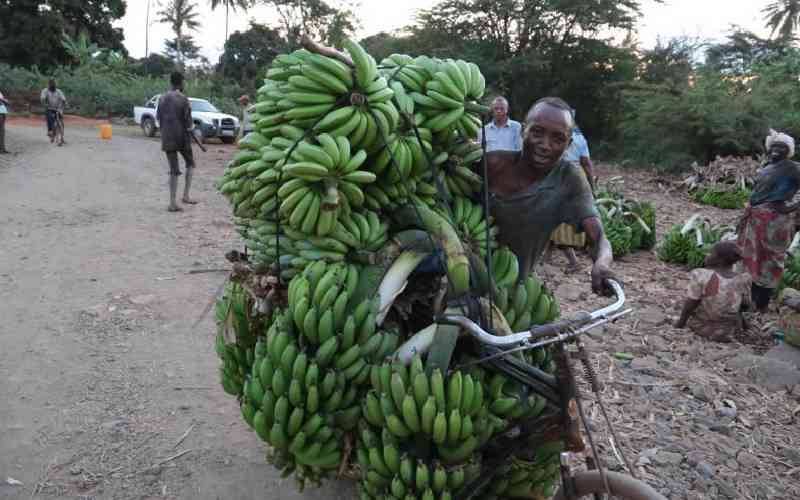
केले की किस्में इस क्षेत्र में ग्रैंड नैन, विलियम्स, कैवेंडिश किस्में, वालेरी, हाई नून, ग्रॉस मिशेल उगाई जाती हैं। अन्य स्थानीय किस्में मटोक, इजिघु, इमांगे और मीठे केले हैं।
डिप्टी गवर्नर ने कहा, “टिशू कल्चर केले के पौधों की उच्च मांग है और काउंटी को प्रति वर्ष कुल लगभग 200,000 पौधों की आवश्यकता होती है और भूमि मांग को पूरा करेगी।”
किलालो ने कहा, “हम कुटीर उद्योग का समर्थन करने के लिए उत्साहित हैं जो सेनेटरी किट के लिए कपड़े बनाने के लिए केले के छद्म तने का उपयोग करता है, जो किसानों के लिए एक पर्यावरणीय बाधा है।”
प्रोफेसर ओन्यांगो ने कहा कि प्रयोगशाला स्थायी खाद्य सुरक्षा, आर्थिक विकास को बढ़ाएगी और युवाओं को सशक्त बनाएगी और विज्ञान, प्रौद्योगिकी, इंजीनियरिंग और गणित (एसटीईएम) में लैंगिक समानता को एकीकृत करने के लिए एक मॉडल के रूप में काम करेगी।
“अत्याधुनिक प्रयोगशाला क्षेत्र में कृषि नवाचार, स्थिरता और आर्थिक विकास को बढ़ावा देने के लिए केले के गुणन केंद्र के रूप में कार्य करेगी जो केन्या के कृषि क्षेत्र में महत्वपूर्ण योगदान देने वाले टिशू कल्चर उत्पादन में अग्रणी बन जाएगी।” उसने कहा।
डीवीसी ने बताया कि प्रयोगशाला नए अनुसंधान अवसरों के लिए एक पुल, भविष्य के वैज्ञानिकों के लिए एक इनक्यूबेटर और क्षेत्र में सतत आर्थिक विकास का एक स्रोत का प्रतिनिधित्व करती है।
उन्होंने कहा कि इस परियोजना को टीटीयू द्वारा माइक्रो एंटरप्राइज सपोर्ट प्रोग्राम ट्रस्ट (एमईएसपीटी) के साथ मिलकर DANIDA मार्केट डेवलपमेंट पार्टनरशिप प्रोग्राम (डीएमडीपी) के तहत वित्त पोषित किया गया था।
सूचित रहें. हमारे न्युजलेटर की सदस्यता प्राप्त करें
“काउंटी ने मेगा परियोजना के लिए भूमि प्रदान की और प्रयोगशाला का विस्तार करने के लिए टीटीयू के साथ हाथ मिलाया मुख्य रूप से अनुसंधान और प्रशिक्षण सुविधा एक व्यावसायिक पैमाने के ऑपरेशन के लिए,” उसने खुलासा किया।
संस्कृति प्रयोगशाला पूरी तरह से सुसज्जित है और स्थानीय समुदाय की सामाजिक-आर्थिक स्थिति पर एक ठोस प्रभाव डालने के लिए तैयार है जो पूरी तरह से वर्षा आधारित कृषि पर निर्भर है।
प्रोफेसर ओन्यांगो ने डिप्टी गवर्नर को सूचित किया कि मार्च और मई 2025 के बीच, सुविधा से स्थानीय किसानों को 18,000 केले के पौधों का पहला वाणिज्यिक बैच जारी करने की उम्मीद है।
उन्होंने कहा, “हमने एक रुकी हुई परियोजना को किसानों, छात्रों और शोधकर्ताओं के लिए आशा और अवसर की किरण में बदल दिया है।”
“इस प्रयोगशाला का लाभ केवल स्वच्छ रोपण सामग्री उपलब्ध कराने तक ही सीमित नहीं है। यह टिकाऊ कृषि पद्धतियों, ज्ञान हस्तांतरण और क्षेत्रीय विकास के लिए दीर्घकालिक प्रतिबद्धता का प्रतिनिधित्व करता है।”
“प्रयोगशाला अनुसंधान, प्रशिक्षण और अंततः, टिशू कल्चर केले के व्यावसायिक उत्पादन के लिए एक केंद्र के रूप में काम करेगी।”
एमईएसपीटी के सीईओ रेबेका अमुखोये ने कहा कि लैब से छोटे किसानों के लिए केले की मूल्य श्रृंखला को बढ़ाने और आजीविका को बढ़ावा मिलने की उम्मीद है।
उन्होंने कहा कि प्रयोगशाला क्षेत्र में केला क्षेत्र की प्रतिस्पर्धात्मकता को बढ़ाकर केन्या में रोजगार सृजन को बढ़ावा देगी।
अमुखोया ने कहा, “हम किसानों को उच्च गुणवत्ता वाले केले का उत्पादन करने में मदद करेंगे जो अंतरराष्ट्रीय बाजार मानकों को पूरा करेंगे।” उन्होंने कहा कि व्यावसायीकरण के मामले में छोटे किसानों के लिए केले की पैकेजिंग अभी तक हासिल नहीं हुई है।
सीईओ ने खुलासा किया कि वे तवेता सब काउंटी में स्थानीय किसानों के साथ मिलकर जैविक केले का उत्पादन कर रहे हैं, ताकि यह सुनिश्चित किया जा सके कि बाजार की मजबूत मांग को पूरा करने के लिए उच्च गुणवत्ता वाले केले पर्याप्त रूप से उत्पादित किए जाएं।
अमुखोया ने कहा, “हम बाजार-उन्मुख उत्प्रेरक कार्यक्रमों का समर्थन कर रहे हैं, जिसमें संसाधनों का लाभ उठाया गया है।”
Complete News In English(पूरी खबर – अंग्रेज़ी में)
Taita Taveta University (TTU) has set up a banana tissue culture laboratory with an investment of $10 million to enhance crop production in the county.
TTU Vice-Chancellor Christine Onyango stated that the facility will initially produce at least 18,000 banana plants and will support sustainable agriculture and climate resilience.
“The state-of-the-art facility at TTU Ngerenyi Campus costs over Sh10 million. It promises to benefit our students, researchers, and local farmers,” Professor Onyango said.
Taita Taveta’s Deputy Governor Christine Kilalo mentioned that the county is the second-largest banana producer in the country.
Ms. Kilalo revealed that around 17,000 families are involved in banana production, and another 10,000 families are engaged in banana-related businesses.
She noted that the current area for banana production spans 6,638 hectares.
The Deputy Governor added that over 226,448 metric tons of bananas, valued at $3.6 billion, are produced annually.
Banana varieties grown in the region include Grand Nain, Williams, Cavendish, Valery, High Noon, and Gros Michel, along with local types like Matoke, Ijighu, Imange, and sweet bananas.
She mentioned that there is a high demand for tissue culture banana plants, with the county needing around 200,000 plants each year to meet this demand.
Kilalo expressed excitement about supporting cottage industries that utilize banana pseudostems to make sanitary kits, which helps address an environmental issue for farmers.
Professor Onyango stated that the laboratory will enhance food security, boost economic development, and empower youth while serving as a model for gender equality in science, technology, engineering, and mathematics (STEM).
“This advanced laboratory will function as a center for banana propagation, promoting agricultural innovation, sustainability, and economic growth, leading tissue culture production in Kenya’s agricultural sector,” she said.
The Deputy Vice-Chancellor mentioned that the laboratory represents a bridge for new research opportunities, an incubator for future scientists, and a source of sustainable economic growth in the region.
This project has been funded by TTU in partnership with the Micro-Enterprise Support Program Trust (MESP) under the DANIDA Market Development Partnership Program (DMDP).
Stay informed. Subscribe to our newsletter.
“The county has provided land for this major project and collaborated with TTU to expand the laboratory primarily as a research and training facility for commercial-scale operations,” she revealed.
The tissue culture laboratory is well-equipped and is expected to have a significant positive impact on the local community, which relies entirely on rain-fed agriculture.
Professor Onyango informed the Deputy Governor that between March and May 2025, the facility expects to release the first commercial batch of 18,000 banana plants to local farmers.
She said, “We have transformed a stalled project into a beacon of hope and opportunity for farmers, students, and researchers.”
“The benefits of this laboratory extend beyond supplying clean planting material. It represents a long-term commitment to sustainable agricultural practices, knowledge transfer, and regional development.”
“The laboratory will serve as a center for research, training, and eventually, the commercial production of tissue culture bananas.”
MESP CEO Rebecca Amukhoye stated that the lab aims to enhance the banana value chain and promote livelihoods for small farmers.
She mentioned that the laboratory will contribute to job creation in Kenya by boosting competitiveness in the banana sector.
Amukhoye said, “We will help farmers produce high-quality bananas that meet international market standards.” She added that small farmers have yet to achieve the necessary packaging for commercializing their products.
The CEO revealed that they are working with local farmers in Taita Taveta Sub-County to grow organic bananas to ensure a sufficient supply of high-quality bananas that meet market demand.
Amukhoye stated, “We are supporting market-oriented catalyst programs that leverage available resources.”