

Main Points In Hindi (मुख्य बातें – हिंदी में)
-
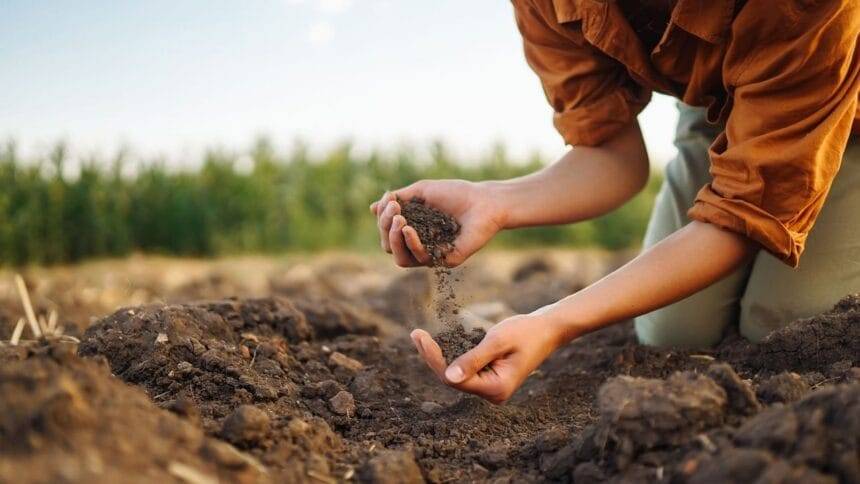
मिट्टी का क्षरण और इसके प्रभाव: हर साल अत्यधिक चराई, वनों की कटाई और प्रदूषण के कारण अरबों टन ऊपरी मिट्टी नष्ट हो जाती है, जिससे खाद्य सुरक्षा, जैव विविधता और जलवायु लक्ष्यों को गंभीर खतरा होता है।
-
संयुक्त राष्ट्र सम्मेलन और मिट्टी के स्वास्थ्य पर ध्यान: सऊदी अरब के रियाद में आयोजित यूएनसीसीडी सम्मेलन में खेतों की मिट्टी के स्वास्थ्य पर चर्चा की गई और 2030 तक भूमि क्षरण तटस्थता हासिल करने का संकल्प लिया गया।
-
सूखा और भूमि निम्नीकरण: सूखा और मानव गतिविधियाँ, जैसे वनों की कटाई और शहरीकरण, मिट्टी के क्षरण को बढ़ाते हैं। जल प्रबंधन प्रथाएँ और संरक्षण कृषि इसे रोकने के लिए आवश्यक हैं।
-
औद्योगिक खेती का प्रभाव: औद्योगिक कृषि, जिसमें भारी मशीनरी और कीटनाशकों का उपयोग होता है, मिट्टी की गुणवत्ता को कम करता है और जैव विविधता को नुकसान पहुँचाता है।
- पोषण और आहार के प्रभाव: वर्तमान आहार पैटर्न, जिसमें प्रमुख फसलों का वर्चस्व है, मोनोकलचर खेती को प्रोत्साहित करता है। पौधे-आधारित आहार विकल्पों को अपनाना मिट्टी के स्वास्थ्य में सुधार कर सकता है और दीर्घकालिक खाद्य सुरक्षा को सुनिश्चित कर सकता है।
Main Points In English(मुख्य बातें – अंग्रेज़ी में)
Here are the main points regarding soil degradation and its consequences, based on the provided text:
-
Erosion of Topsoil: Every year, billions of tons of topsoil are lost due to excessive grazing, deforestation, pollution, and other human activities. This alarming trend threatens the foundation of our food systems, the Earth’s carbon cycle, and the habitats of nearly 60% of the planet’s species.
-
Impact of Climate and Land Degradation: Over 70% of the Earth’s land has been altered by human activity, leading to reduced soil fertility, decreased agricultural yields, and severe food security risks. Climate change exacerbates these issues through extreme weather events.
-
Industrial Agriculture’s Damage: Although industrial farming is efficient in producing large quantities of food, it significantly harms soil health through practices such as heavy machinery use, monocropping, and excessive use of pesticides and fertilizers.
-
Soil Pollution: Soil pollution caused by industrial processes, mining, and unsustainable agricultural practices disrupts ecosystems and poses health risks to humans. Chemicals like synthetic fertilizers and heavy metals harm soil life.
- Dietary Patterns and Soil Health: Current dietary patterns promote monoculture farming, which depletes soil nutrients and exacerbates erosion. Shifting towards diverse, plant-based diets can reduce the demand for intensive monoculture, improving soil health and ensuring long-term food security.
The overall message emphasizes the urgent need for collective action to protect soil health through sustainable practices, better land management, and mindful dietary choices.

Complete News In Hindi(पूरी खबर – हिंदी में)
हर साल, अत्यधिक चराई, वनों की कटाई, प्रदूषण और अन्य मानव-प्रेरित खतरों के कारण अरबों टन ऊपरी मिट्टी नष्ट हो जाती है। एक अध्ययन के अनुसार, यह चिंताजनक प्रवृत्ति हमारी खाद्य प्रणालियों की नींव, पृथ्वी के कार्बन चक्र और ग्रह की लगभग 60% प्रजातियों के आवास को खतरे में डालती है। प्रकृति. जैसे-जैसे मिट्टी का क्षरण तेज़ हो रहा है, वैश्विक खाद्य सुरक्षा, जैव विविधता और जलवायु लक्ष्यों को अभूतपूर्व जोखिमों का सामना करना पड़ रहा है।
सऊदी अरब के रियाद में मरुस्थलीकरण से निपटने के लिए संयुक्त राष्ट्र कन्वेंशन (यूएनसीसीडी) के लिए पार्टियों के 16वें सम्मेलन (सीओपी16) में मृदा स्वास्थ्य को केंद्र में रखा गया। विश्व नेताओं ने मिट्टी के नुकसान से निपटने के उपायों पर चर्चा की और 2030 तक भूमि क्षरण तटस्थता हासिल करने का संकल्प लिया। जैसा कि हमने हाल ही में विश्व मृदा दिवस मनाया है, मिट्टी के स्वास्थ्य में गिरावट के कारणों को समझना और इस संकट से निपटने के लिए व्यवहार्य समाधान तलाशना महत्वपूर्ण है।
1. सूखा
विश्व की एक-तिहाई से अधिक आबादी पानी की कमी वाले क्षेत्रों में रहती है, इसलिए सूखा मिट्टी के क्षरण का एक महत्वपूर्ण कारक है। जल को बनाए रखने में निम्नीकृत मिट्टी की अक्षमता से वनस्पति की हानि बढ़ जाती है, जिससे आगे सूखा और कटाव होता है। यह समस्या विशेष रूप से उप-सहारा अफ़्रीका में गंभीर है, जहाँ खाद्य असुरक्षा और अकाल लगातार बढ़ते जा रहे हैं।
जल प्रबंधन प्रथाएं, जैसे ड्रिप सिंचाई और वर्षा जल संचयन, पारिस्थितिकी तंत्र की बहाली के साथ मिलकर, समुदायों को मिट्टी की नमी बनाए रखने में मदद कर सकती हैं। ये तरीके न केवल सूखे से निपटते हैं बल्कि वनस्पति के पुनर्विकास को भी बढ़ावा देते हैं और मिट्टी के लचीलेपन को बढ़ाते हैं।
2. भूमि निम्नीकरण
पृथ्वी की 70% से अधिक भूमि मानव गतिविधि द्वारा बदल दी गई है, जिसमें वनों की कटाई, अत्यधिक चराई और शहरीकरण शामिल है। यह व्यापक व्यवधान मिट्टी की उर्वरता को कम करता है, कृषि उपज को कम करता है और खाद्य सुरक्षा के लिए गंभीर खतरा पैदा करता है। जलवायु परिवर्तन से प्रेरित चरम मौसम की घटनाएं, जैसे बारी-बारी से भारी बारिश और सूखा, भूमि क्षरण को और तेज कर देती हैं।
गिरावट से निपटने के लिए, किसान मिट्टी के पोषक तत्वों को समृद्ध करने के लिए खाद, मल्चिंग और कार्बनिक पदार्थों के उपयोग सहित संरक्षण कृषि को अपना सकते हैं। बेहतर सिंचाई तकनीक और टिकाऊ भूमि प्रबंधन प्रथाएं भी मिट्टी के स्वास्थ्य को बहाल कर सकती हैं, जिससे आगे की क्षति को रोका जा सकता है।
3. औद्योगिक खेती
औद्योगिक खेती, बड़ी मात्रा में भोजन पैदा करने में प्रभावी होते हुए भी, मिट्टी को महत्वपूर्ण नुकसान पहुंचाती है। भारी मशीनरी, मोनोक्रॉपिंग और अत्यधिक कीटनाशकों और उर्वरकों का उपयोग मिट्टी की संरचना को ख़राब करता है, जैव विविधता को कम करता है और जल स्रोतों को प्रदूषित करता है। यह कृषि पद्धति वैश्विक ग्रीनहाउस गैस उत्सर्जन के लगभग 22% के लिए भी जिम्मेदार है।
जीरो-टिलेज, फसल विविधीकरण और कृषि प्रणालियों में पेड़ों को एकीकृत करने जैसी स्थायी प्रथाएं औद्योगिक कृषि के नकारात्मक प्रभावों को कम कर सकती हैं। “वन उद्यान” मॉडल, जिसे अफ़्रीका में तेजी से अपनाया जा रहा है, मिट्टी की उर्वरता बढ़ाने और छोटे किसानों की पैदावार बढ़ाने के लिए पेड़ों और झाड़ियों को फसलों के साथ जोड़ता है।
4. रसायन और प्रदूषण
औद्योगिक प्रक्रियाओं, खनन और अस्थिर कृषि पद्धतियों के कारण होने वाला मृदा प्रदूषण, पारिस्थितिकी तंत्र को बाधित करता है और मानव स्वास्थ्य को नुकसान पहुँचाता है। सिंथेटिक उर्वरक, कीटनाशक और भारी धातु जैसे रसायन मिट्टी के जीवों को नुकसान पहुंचाते हैं, पोषक तत्वों के चक्र को बाधित करते हैं और खाद्य स्रोतों को दूषित करते हैं।
रासायनिक आदानों को कम करना, जैविक खेती को बढ़ावा देना और सख्त अपशिष्ट प्रबंधन नीतियों को लागू करने से मिट्टी प्रदूषण को कम किया जा सकता है। बायोरेमेडिएशन के माध्यम से प्रदूषित मिट्टी को बहाल करना और लाभकारी सूक्ष्मजीवों को फिर से शामिल करना भी उनकी जीवन शक्ति को फिर से जीवंत कर सकता है।
5. आहार एवं पोषण
वर्तमान आहार पैटर्न, जिसमें गेहूं, मक्का और चावल जैसी प्रमुख फसलों का वर्चस्व है, मोनोकल्चर खेती को प्रोत्साहित करता है, जो मिट्टी के पोषक तत्वों को कम करता है और कटाव को बढ़ावा देता है। पशु उत्पादों, विशेष रूप से गोमांस में उच्च आहार, अतिचारण और चारा फसलों के लिए भूमि रूपांतरण के माध्यम से मिट्टी के क्षरण को बढ़ाता है।
विविध, पौधे-आधारित आहार में परिवर्तन से गहन मोनोकल्चर खेती की मांग कम हो सकती है। कृषि पद्धतियों को टिकाऊ आहार विकल्पों के साथ जोड़ने से न केवल मृदा स्वास्थ्य में वृद्धि होगी बल्कि दीर्घकालिक खाद्य सुरक्षा भी सुनिश्चित होगी।
दुनिया की धरती ख़तरे में है और कार्रवाई न करने पर गंभीर परिणाम हो सकते हैं। इस आवश्यक संसाधन की सुरक्षा के लिए सरकारों, समुदायों और व्यक्तियों के सामूहिक प्रयास की आवश्यकता है। टिकाऊ कृषि पद्धतियों को अपनाकर, पारिस्थितिकी तंत्र को बहाल करके और सावधानीपूर्वक आहार विकल्प चुनकर, हम मिट्टी के क्षरण को रोक सकते हैं और अपने ग्रह के लिए एक स्वस्थ भविष्य सुनिश्चित कर सकते हैं।
पहली बार प्रकाशित: 09 दिसंबर 2024, 09:43 IST
Complete News In English(पूरी खबर – अंग्रेज़ी में)
Every year, billions of tons of topsoil are lost due to excessive grazing, deforestation, pollution, and other human-induced threats. According to a study, this alarming trend jeopardizes the foundation of our food systems, the Earth’s carbon cycle, and habitats for nearly 60% of our planet’s species. As soil erosion accelerates, global food security, biodiversity, and climate goals face unprecedented risks.
Recently, the 16th Conference of the Parties (COP16) to the United Nations Convention to Combat Desertification (UNCCD) in Riyadh, Saudi Arabia focused on soil health. World leaders discussed measures to address soil loss and pledged to achieve land degradation neutrality by 2030. As we recently celebrated World Soil Day, it is crucial to understand the causes of soil health decline and seek viable solutions to tackle this crisis.
1. Drought
More than one-third of the world’s population lives in water-scarce areas, making drought a significant factor in soil degradation. The inability of degraded soil to retain water increases vegetation loss, leading to further drought and erosion. This problem is especially severe in sub-Saharan Africa, where food insecurity and famine are on the rise.
Water management practices, such as drip irrigation and rainwater harvesting, combined with ecosystem restoration, can help communities maintain soil moisture. These methods not only address drought but also promote vegetation regrowth and enhance soil resilience.
2. Land Degradation
Over 70% of the Earth’s land has been altered by human activities, including deforestation, overgrazing, and urbanization. This widespread disruption reduces soil fertility, decreases agricultural yields, and poses a grave threat to food security. Climate change-induced extreme weather events, such as alternating heavy rains and drought, further accelerate land degradation.
To combat degradation, farmers can adopt conservation agriculture practices, including the use of compost, mulching, and organic matter to enrich soil nutrients. Improved irrigation techniques and sustainable land management practices can also restore soil health, preventing further damage.
3. Industrial Agriculture
While industrial agriculture is effective at producing large amounts of food, it severely damages soil. Heavy machinery, monocropping, and excessive use of pesticides and fertilizers degrade soil structure, reduce biodiversity, and pollute water sources. This agricultural method is also responsible for nearly 22% of global greenhouse gas emissions.
Sustainable practices like zero-tillage, crop diversification, and integrating trees into agricultural systems can mitigate the negative effects of industrial farming. The “agroforestry” model, increasingly adopted in Africa, combines trees and shrubs with crops to enhance soil fertility and boost yields for small farmers.
4. Chemicals and Pollution
Soil pollution caused by industrial processes, mining, and unsustainable farming practices disrupts ecosystems and harms human health. Chemicals like synthetic fertilizers, pesticides, and heavy metals damage soil organisms, disrupt nutrient cycles, and contaminate food sources.
Reducing chemical inputs, promoting organic farming, and implementing strict waste management policies can help decrease soil pollution. Remediation efforts to restore contaminated soil and reintegrate beneficial microorganisms can also revive its vitality.
5. Diet and Nutrition
Current dietary patterns, dominated by staple crops like wheat, corn, and rice, encourage monoculture farming, which depletes soil nutrients and leads to erosion. A high consumption of animal products, especially beef, increases soil degradation through overgrazing and conversion of land for feed crops.
Shifting to a diverse, plant-based diet can reduce the demand for intensive monoculture farming. Combining sustainable farming practices with healthier dietary choices will not only improve soil health but also ensure long-term food security.
The Earth is in peril, and failure to act could lead to severe consequences. Protecting this vital resource requires collective efforts from governments, communities, and individuals. By adopting sustainable agricultural practices, restoring ecosystems, and making thoughtful dietary choices, we can prevent soil degradation and secure a healthier future for our planet.
First published: December 09, 2024, 09:43 IST