

Main Points In Hindi (मुख्य बातें – हिंदी में)
यहां कुछ मुख्य बिंदु हैं:
-
किसान और प्रदूषण: ‘किसान तक’ की शुरुआत के दौरान, यह स्पष्ट किया गया था कि दिल्ली में किसान को प्रदूषण के लिए बलि का बकरा बनाया जा रहा है, जबकि वास्तविक प्रदूषण का मुख्य कारण वाहन हैं। एक रिपोर्ट के अनुसार, दिल्ली के प्रदूषण का 51.1% हिस्सा वाहनों से आता है, जबकि धाघulli जलने का योगदान 1% से भी कम है।
-
वाहन प्रदूषण का प्रमुख कारण: सेंटर फॉर साइंस एंड एनवायरनमेंट (CSE) ने बताया कि दिल्ली में स्थानीय प्रदूषण का सबसे बड़ा स्रोत वाहन हैं। इसके साथ ही, आवासीय क्षेत्रों, उद्योगों और निर्माण क्षेत्र का प्रदूषण क्रमशः 13%, 11% और 7% है।
-
प्रदूषण की कमी की आवश्यकता: CSE ने बताया कि दिल्ली को PM 2.5 के स्तर को 61% और कम करने की आवश्यकता है ताकि यह राष्ट्रीय मानक 40 माइक्रोग्राम प्रति घन मीटर तक पहुंच सके।
-
सार्वजनिक परिवहन की स्थिति: CSE के अध्ययन में सार्वजनिक परिवहन प्रणाली की समस्याएं उजागर हुई हैं, जैसे कि बसों की टूटने की घटनाओं में वृद्धि और यात्रियों के लिए लंबी इंतज़ार समय। अधिकांश बस स्टॉप पर यात्रियों को 15 मिनट से अधिक का इंतज़ार करना पड़ता है।
- वाहनों की बढ़ती संख्या: दिल्ली में वाहनों की संख्या में तेजी से वृद्धि हो रही है, जिसमें 2023-24 में लगभग 6.5 लाख नए वाहन जोड़े गए हैं। दोपहिया और चार पहिया वाहनों की संख्या में 15% की वार्षिक वृद्धि हो रही है, जो प्रदूषण की समस्या को और गहरा कर रही है।
Main Points In English(मुख्य बातें – अंग्रेज़ी में)
Here are the main points from the provided text:

-
Pollution Sources in Delhi: A study by the Center for Science and Environment (CSE) reveals that vehicular pollution is the primary source of pollution in Delhi, contributing to 51.1% of local emissions, significantly overshadowing pollution from stubble burning, which accounts for less than 1%.
-
Rise in Vehicle Numbers: The increase in the number of vehicles—79 lakh currently, with 6.5 lakh new vehicles added in 2023-24—is a major factor exacerbating pollution levels. The growing reliance on personal vehicles, alongside inadequate public transport infrastructure, has worsened the air quality.
-
Public Transport Challenges: The public transport system in Delhi is facing issues such as long waiting times (with less than 1% of bus stops having wait times under 10 minutes) and increasing bus breakdown incidents. This has eroded public trust in buses, pushing commuters towards private transportation.
-
Air Quality Standards: Despite some improvements in reducing PM 2.5 levels, Delhi needs to reduce pollution levels by an additional 61% to meet national air quality standards. The average PM 2.5 levels in 2023 were still significantly higher than acceptable limits, indicating persistent air quality challenges.
- Future Pollution Concerns: Experts predict that pollution sources, particularly from transportation, will continue to rise. Historical studies indicate that the transport sector’s contribution to PM 2.5 levels has escalated over the years, cementing its status as the largest pollution source in the city.
Complete News In Hindi(पूरी खबर – हिंदी में)
जब किसान तक की शुरुआत दो साल पहले हुई थी, तो हमने मिलकर किसानों पर हो रहे अन्याय के खिलाफ आवाज उठाई। अपने पहले वीडियो में, हमनें पराली जलाने के मुद्दे को उठाया और बताया कि कैसे दिल्ली के लोग किसानों को राजधानी में प्रदूषण के लिए दोषी ठहराते हैं। (नीचे तीन भाग का वीडियो देखें)। अब दो साल बाद, दिल्ली उसी कड़ी सच्चाई का सामना कर रही है, जिसे ‘किसान तक’ ने अपने लॉन्चिंग वीडियो में बताया था। दिल्ली का प्रदूषण घरेलू कृषि से है, पराली जलाने से नहीं। आज की टाइम्स ऑफ इंडिया की रिपोर्ट में बताया गया है कि दिल्ली के प्रदूषण का आधा भाग यहां मौजूद दो करोड़ से अधिक मोटर वाहनों से है, जो पराली जलाने से कहीं अधिक है।
किस स्रोत से कितना प्रदूषण बढ़ रहा है?
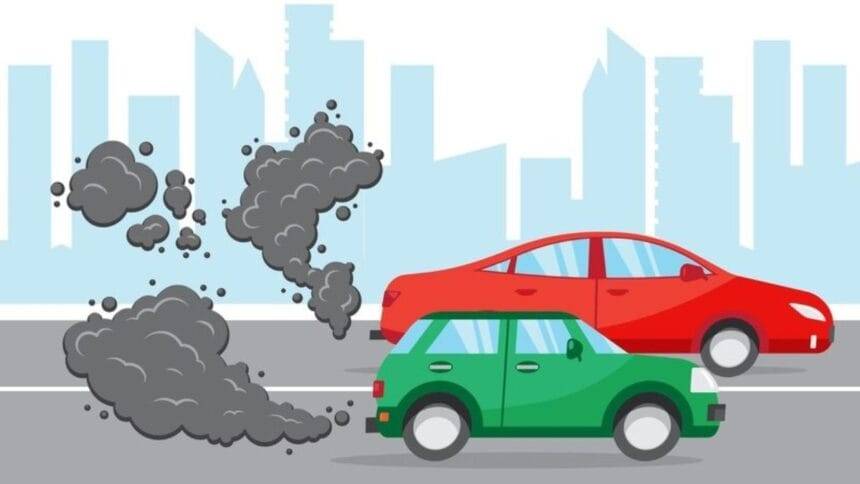
सेंटर फॉर साइंस एंड एनवायरमेंट (CSE) ने कहा है कि प्रदूषण कम करने के लिए तकनीकी उपायों के बावजूद, वाहन प्रदूषण शहर में सबसे बड़ा कारण है, जो स्थानीय स्रोतों से होने वाले प्रदूषण का 51.1% है। इसके बाद, 13% प्रदूषण आवासीय क्षेत्रों से, 11% औद्योगिक क्षेत्रों से, और 7% निर्माण क्षेत्र से होता है। वहीं, पराली जलाने से होने वाला प्रदूषण 1% से भी कम है।
CSE की अध्ययन में दिखाया गया है कि पिछले कुछ वर्षों में परिवहन ढांचे को मजबूत करने के बावजूद, निजी वाहनों की संख्या बढ़ी है, और सर्दियों में इनका प्रदूषण में योगदान तेजी से बढ़ा है। यहां तक कि जब पराली जलाना कम हुआ है, तब भी दिल्ली की वायु गुणवत्ता ‘Poor’ या ‘Very Poor’ स्तर पर बनी हुई है।
CSE की निदेशक, सुनीता नारायण और कार्यकारी निदेशक, अनुपमिता रॉय चौधरी ने स्थानीय परिवहन को दिल्ली के प्रदूषण का मुख्य स्रोत बताया है। उन्होंने स्थानीय परिवहन को मजबूत करने पर जोर दिया और कहा कि शहर में केवल 1% बस स्टॉप पर इंतजार का समय 10 मिनट से कम है।
PM स्तर को 61 प्रतिशत तक कम करना होगा
CPCB के आंकड़ों के आधार पर, CSE ने पाया कि अक्टूबर से जनवरी के सर्दी महीनों में 24 घंटे का अधिकतम PM2.5 स्तर 2019-20 में 566 माइक्रोग्राम प्रति क्यूबिक मीटर से घटकर 2023-24 में 366 हो गया है। लेकिन, यह अब भी 24 घंटे के राष्ट्रीय औसत से 6 गुना अधिक है। 2023 में दिल्ली का वार्षिक औसत PM2.5 101 माइक्रोग्राम प्रति क्यूबिक मीटर था, जो 2019 में 109 की तुलना में 7% सुधार दर्शाता है। दिल्ली को राष्ट्रीय वार्षिक वायु गुणवत्ता मानक 40 माइक्रोग्राम प्रति क्यूबिक मीटर को पूरा करने के लिए PM2.5 स्तर को 61% और कम करना होगा।
प्रदूषण के स्रोतों में वृद्धि की चिंता
अनुपमिता रॉय चौधरी ने कहा कि अध्ययन के परिणाम दर्शाते हैं कि प्रदूषण को रोकने के लिए जो आपातकालीन कदम उठाए जा रहे हैं, उनका प्रभाव दिख रहा है। लेकिन सभी प्रदूषण के स्रोत बढ़ने की उम्मीद है, जिसमें वाहन भी शामिल हैं। IIT कानपूर, TERI-ARAI और SAFAR द्वारा दिल्ली के लिए किए गए प्रदूषण अध्ययन में परिवहन क्षेत्र का PM2.5 में हिस्सा क्रमशः 20%, 39% और 41% बताया गया है। यह हर साल धूल के बाद दूसरा सबसे बड़ा प्रदूषण स्रोत बनता जा रहा है।
वाहनों की बढ़ती संख्या से समस्या बढ़ रही है
CSE के विश्लेषण से पता चलता है कि सार्वजनिक परिवहन पर विश्वास की कमी है। उदाहरण के लिए, 2018-19 में बसों के ठप होने के मामले 781 से बढ़कर 2022-23 में 1259 हो गए। विश्लेषण ने बसों के लिए लंबी प्रतीक्षा समय पर ध्यान केंद्रित किया, जिससे पता चला कि शहर में बस स्टॉप पर लोगों को 15 मिनट से अधिक इंतज़ार करना पड़ता है।
आर्थिक सर्वेक्षण दिल्ली 2023-24 के अनुसार, राजधानी में 79 लाख वाहन हैं और 2023-24 में 6.5 लाख नए वाहन जुड़े, जो कोरोनो से पहले के वर्षों की तुलना में 6.1 लाख की वार्षिक वृद्धि है। इसके अलावा, हर दिन 11 लाख वाहन शहर में प्रवेश और निकास करते हैं। दोपहिया और कारों की संख्या 15% की वार्षिक दर से बढ़ रही है। इसके अलावा, परिवहन से नाइट्रोजन ऑक्साइड उत्सर्जन में 81% की वृद्धि हुई है। CSE ने पाया कि शहर के क्षेत्रों के विस्तार के चलते प्रति व्यक्ति यात्रा दरों में 12.3% का उछाल भी आया है।
Complete News In English(पूरी खबर – अंग्रेज़ी में)
When Kisan Tak was launched two years ago, we raised our voice together against the injustice being done to the farmers. In our very first video, while raising the issue of stubble, we had told how the people of Delhi make farmers scapegoats for the pollution of the capital. (There is a three-part video below that you can watch). Now two years later, Delhi is facing the same bitter truth that ‘Kisan Tak’ had said in its launching video. Pollution is Delhi’s domestic farming…there is no pollution due to stubble. In today’s report of Times of India newspaper, it has been said that half of Delhi’s pollution is due to more than crore motor vehicles in Delhi itself…which is many times more than stubble.
How much pollution is increasing from which source?
The Center for Science and Environment (CSE) has said that despite technological measures to reduce pollution emissions, vehicular pollution in the city is the single largest cause of pollution in the capital, accounting for 51.1% of all pollution from local sources. The percentage is. After this, 13 percent pollution was generated from residential areas. Whereas, 11 percent pollution share has been recorded from industry and 7 percent from construction sector. At the same time, the share of pollution due to stubble burning has been less than 1 percent.
CSE’s study shows that despite strengthening the transport infrastructure in the last few years, due to major mistakes, the number of private vehicles has increased and their contribution to pollution in winter has also increased equally rapidly. So much so that even when crop stubble burning has reduced, Delhi’s air quality remains at ‘poor’ or ‘very poor’ level.
CSE Director General Sunita Narayan and Executive Director Anumita Roy Chowdhury have considered urban transport as the main source of local emissions for Delhi’s pollution. Emphasizing on strengthening local transport, he said that the waiting time at only less than 1 percent bus stops in the city is less than 10 minutes. CSE also said that the peak levels of pollution in the city have declined in recent years, but the average has increased significantly, which shows the role of local pollution sources.
PM level will have to be reduced by 61 percent
Based on CPCB data, CSE found that the 24-hour maximum PM 2.5 in the winter months from October to January declined from 566 micrograms per cubic meter in 2019-20 to 366 in 2023-24. But, it was still found to be 6 times more than the national average of 24 hours. Delhi’s annual average PM 2.5 in 2023 was 101 micrograms per cubic meter, which shows a 7 percent improvement compared to the level of 109 in 2019. Delhi needs to reduce PM 2.5 levels by an additional 61 per cent to meet the national annual air quality standard of 40 micrograms per cubic metre.
Fear of increase in pollution sources
Anumita Roy Choudhary said that the findings show that the effect of the emergency action being taken to stop pollution is visible. But all polluting sources are expected to increase, including vehicles, which have emerged as the biggest polluting source in the city. Pollution prevalence studies conducted by IIT Kanpur in 2015, TERI-ARAI in 2018 and SAFAR in 2018 for Delhi have determined the share of transport sector in PM2.5 at 20 per cent, 39 per cent and 41 per cent respectively. This is the biggest source of pollution and every year it becomes the second biggest source after dust.
Increasing number of vehicles is increasing the problem
CSE’s analysis highlights issues like lack of trust in public transport. For example, incidents of breakdown of buses increased from 781 in 2018-19 to 1259 in 2022-23. The analysis also drew attention to high waiting times for buses, finding that passengers had to wait for less than 10 minutes at less than 1 percent of bus stops in the city. At present the waiting time at almost 50 percent bus stops is more than 15 minutes.
According to the Economic Survey Delhi 2023-24, there are 79 lakh vehicles in the capital and in 2023-24 itself, 6.5 lakh new vehicles were added, which is an annual increase of 6.1 lakh compared to the years before Corona. Apart from this, every day 11 lakh vehicles enter and exit the city. The number of two-wheelers and cars is increasing at an annual rate of 15 percent. Apart from this, there is an increase of 81 percent in nitrogen oxide emissions from transport. CSE found that the expansion of city areas also led to a 12.3 percent jump in per capita travel rates.